
Our Projects · Educate · Nature walks
Olympic National Park guided walks are one of the gentlest ways to get to know the park. Friends of Olympic National Park runs Guided Insect, Mushroom & Wildflower Walks as one of our seven projects. A knowledgeable leader takes a small group slowly down a trail and points out the life most hikers walk straight past. You don’t need to be an expert, only curious.
This page explains how our walks work, when each subject is at its best, the park’s rules on picking, and how to hear about the next walk.
What we do on a guided nature walk
Each walk focuses on one part of the park’s living world. The pace is slow and the distance short, because the point is to stop, kneel and look. Leaders share how to recognise what you see and why it matters to the forest or meadow around it.
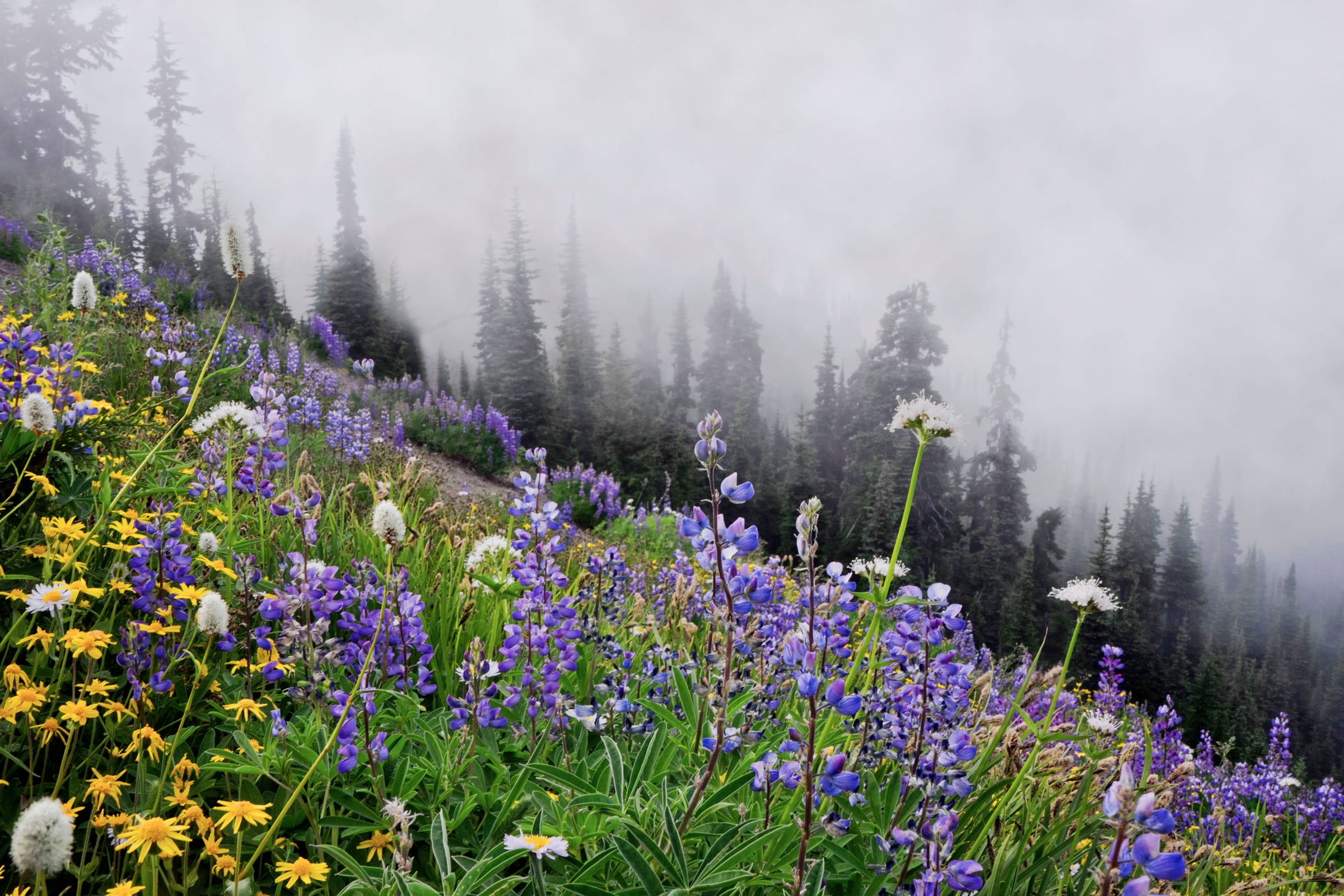
- Wildflower walks follow the bloom through subalpine meadows once the snow melts.
- Insect walks look for the pollinators, beetles and butterflies that keep those meadows working.
- Mushroom walks explore the damp forest floor after the fall rains return.
A walk with history: Hurricane Hill
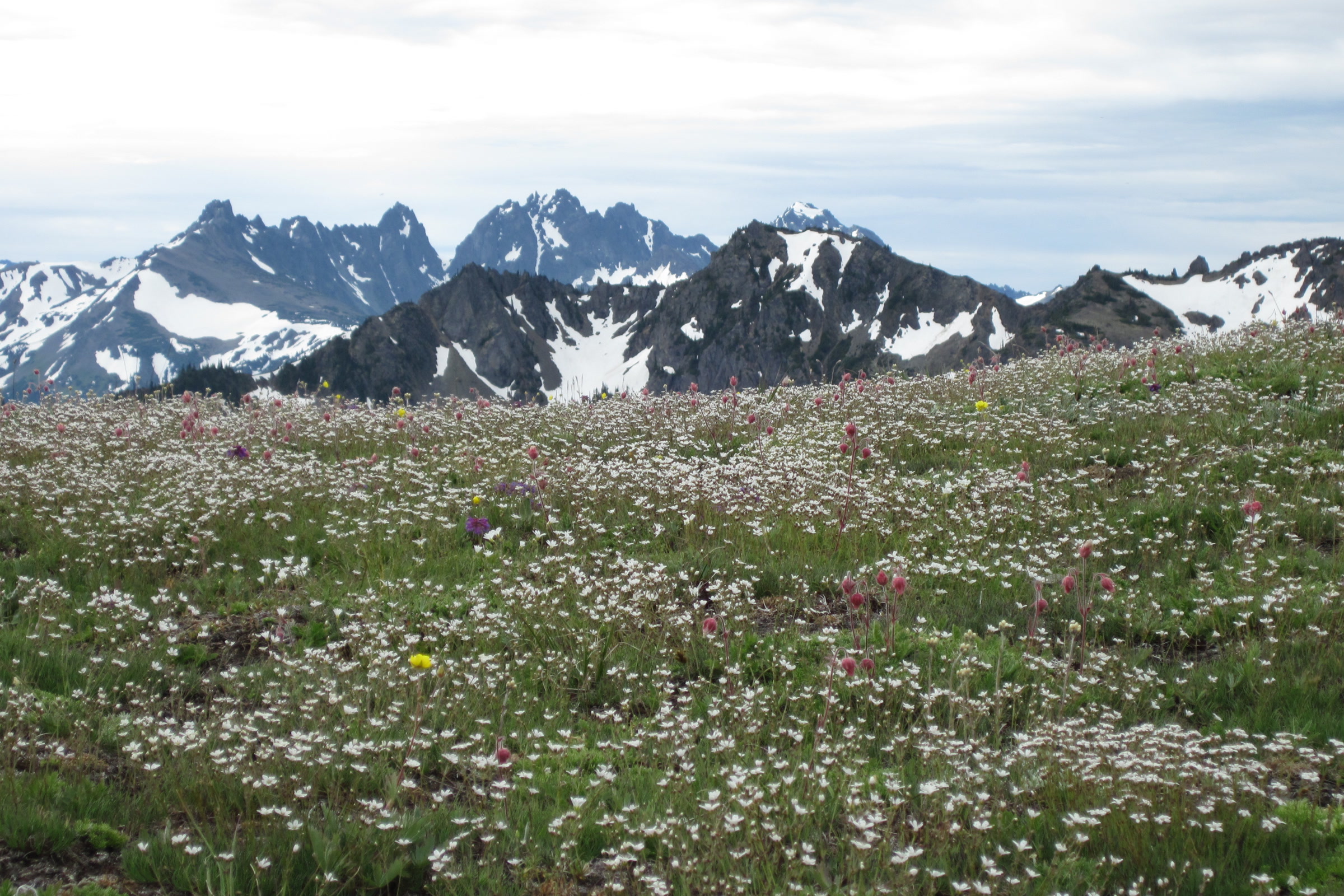
Our walks go back a long way. In July 2006 the park announced a guided wildflower walk to Hurricane Hill for FONP members. It was led by Janis Burger, a long-time Hurricane Ridge resource educator and naturalist.
Members met at the Hurricane Ridge Visitor Center for an evening stroll of about three miles round trip, timed to finish before sunset. That mix of an expert guide, a small group and an unhurried trail is still the model we follow.
When and where each walk is at its best
Every subject has its own season, and in the mountains those seasons move with the snowpack. We announce exact dates and meeting points for each walk on our events page once they are set.
Walk types by season
| Walk | Best season | Where to look | What you might see |
|---|---|---|---|
| Wildflowers | Summer, after the snow melts | Subalpine meadows such as Hurricane Ridge | Lupine, paintbrush, avalanche lilies |
| Insects | Warm, sunny summer days | Meadow edges and flower patches | Bumblebees, butterflies, beetles |
| Mushrooms | Fall rains to the first hard frosts | Lowland and rain forests | Shelf fungi, cup and gilled mushrooms |
Guided wildflower walks at Hurricane Ridge
Hurricane Ridge sits 17 miles south of Port Angeles, and its meadows fill with flowers soon after the snow retreats. Bloom timing shifts by weeks from one year to the next, depending on how much snow fell and how fast it melts. That is why a wildflower walk is planned close to the date rather than months ahead.
Insect walks in Olympic National Park
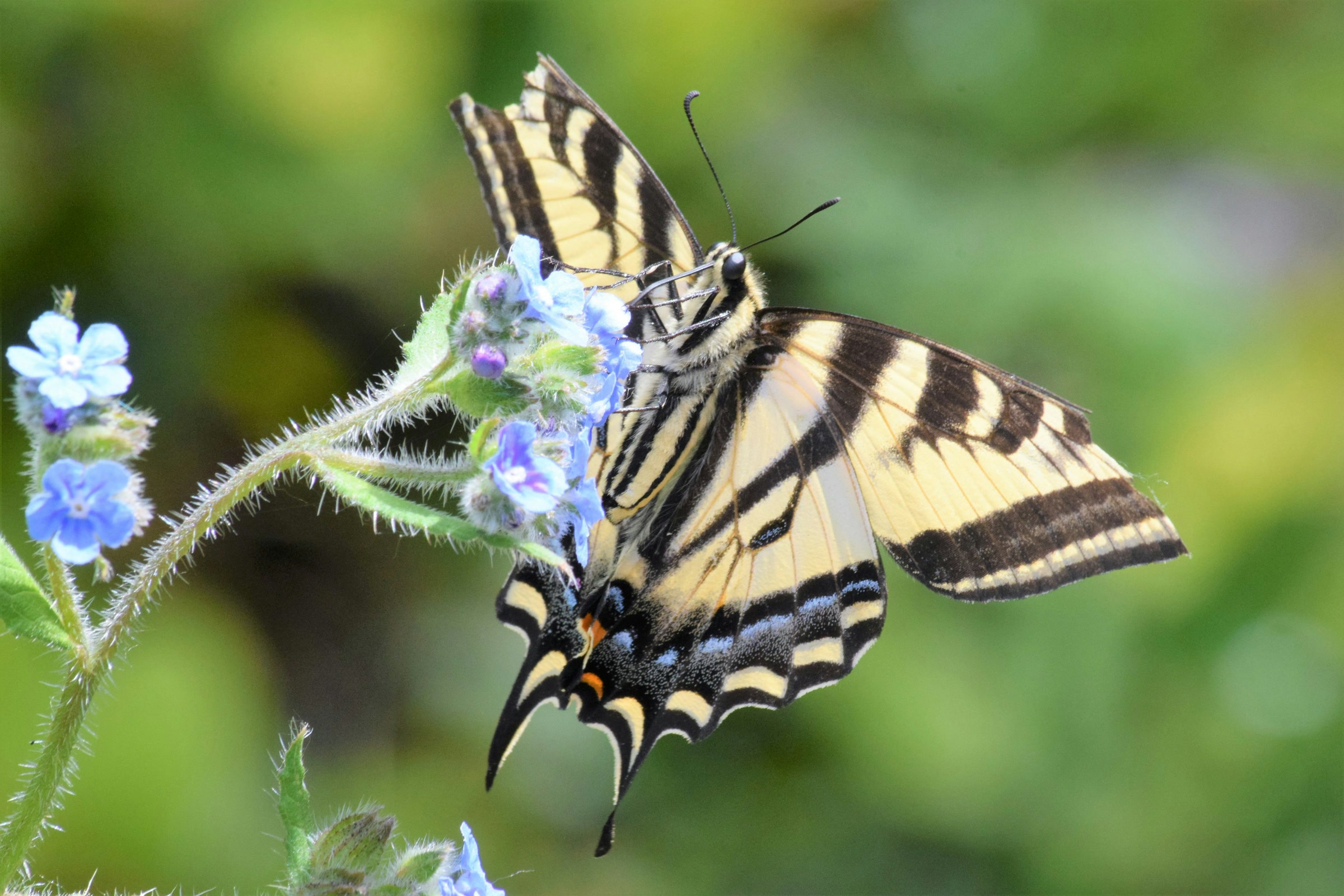
Thousands of kinds of invertebrates live on the Olympic Peninsula, and many of them pollinate the park’s flowers or break down fallen wood. Some are found nowhere else. The park lists the Olympic arctic butterfly, which lives at high elevations, along with several ground beetles and a tiger beetle among the peninsula’s endemic animals.
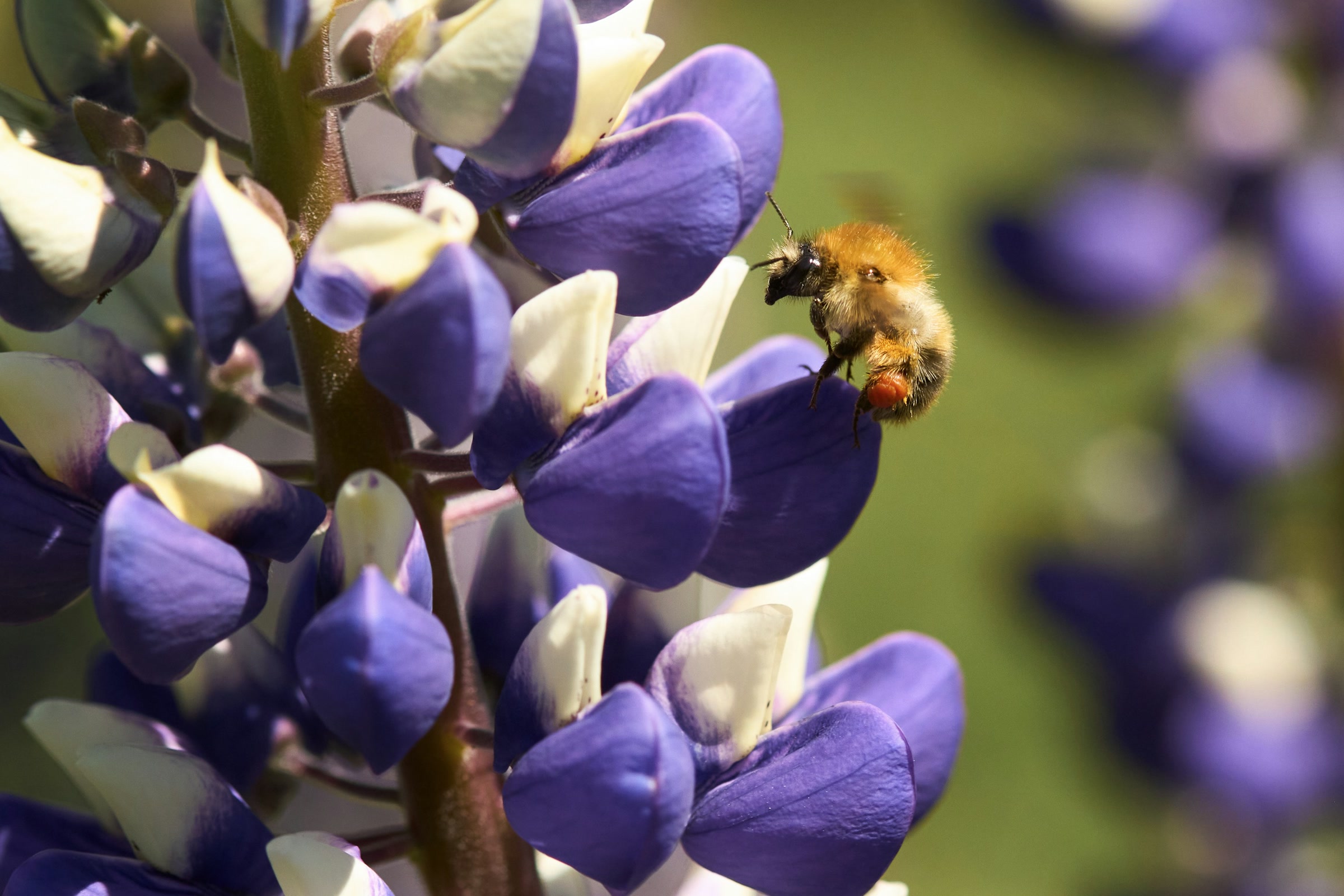
On an insect walk we move even more slowly than usual. A hand lens helps, and so does patience while a bumblebee works its way up a stem of lupine.
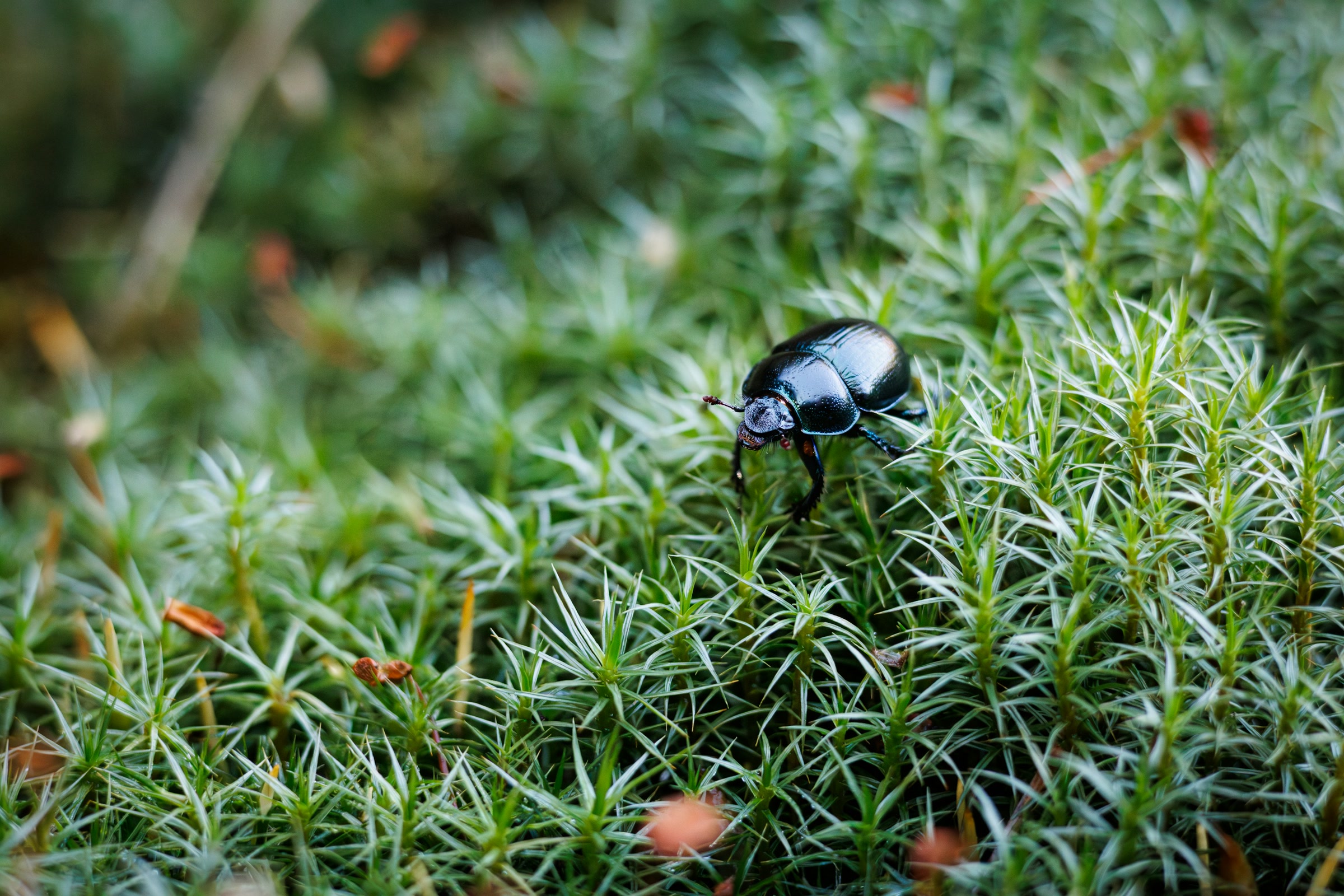
Down on the forest floor, beetles and other small animals do quieter work. They recycle logs and leaf litter into the soil that feeds the next generation of trees.
Guided mushroom walks and fungi of the Olympic Peninsula
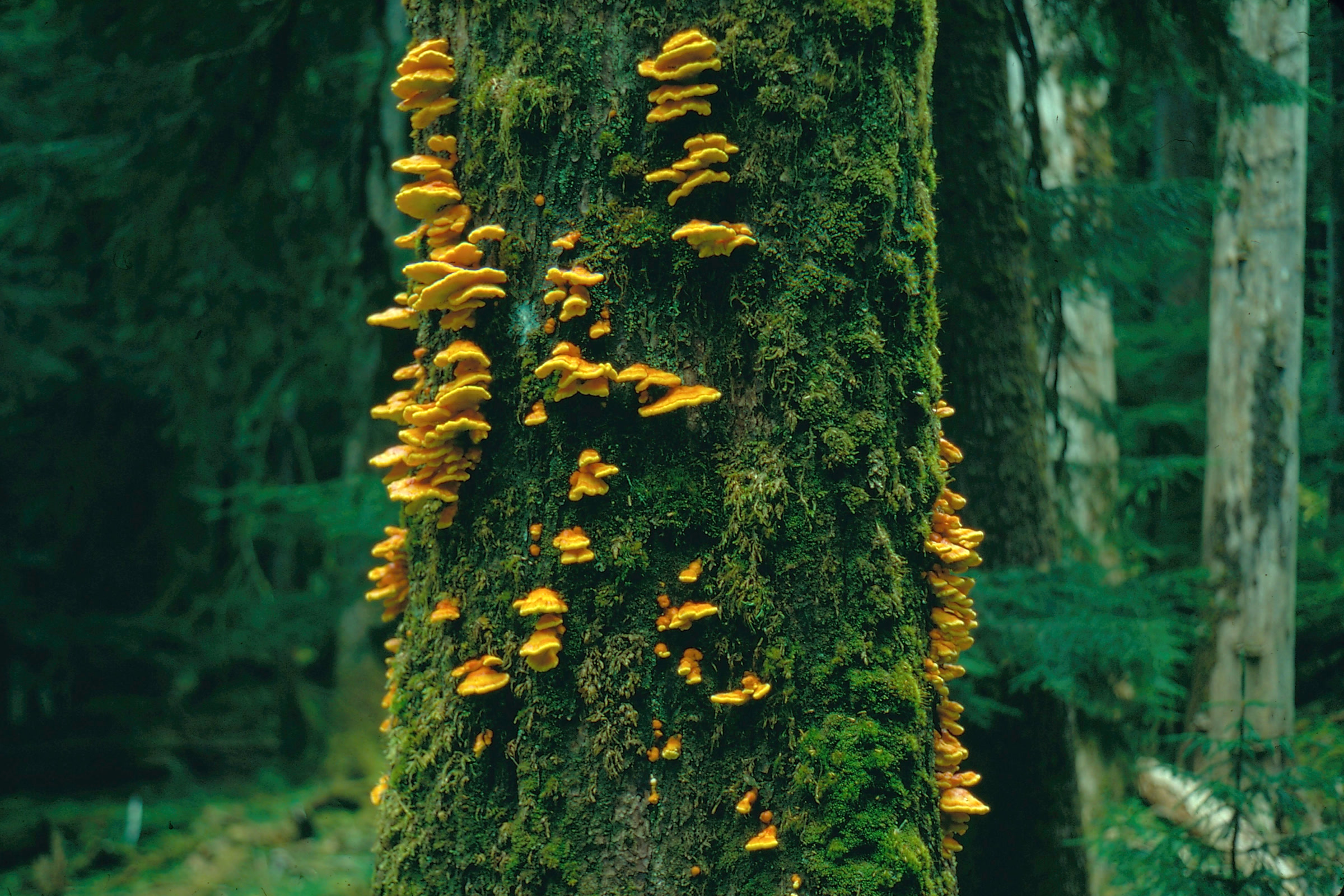
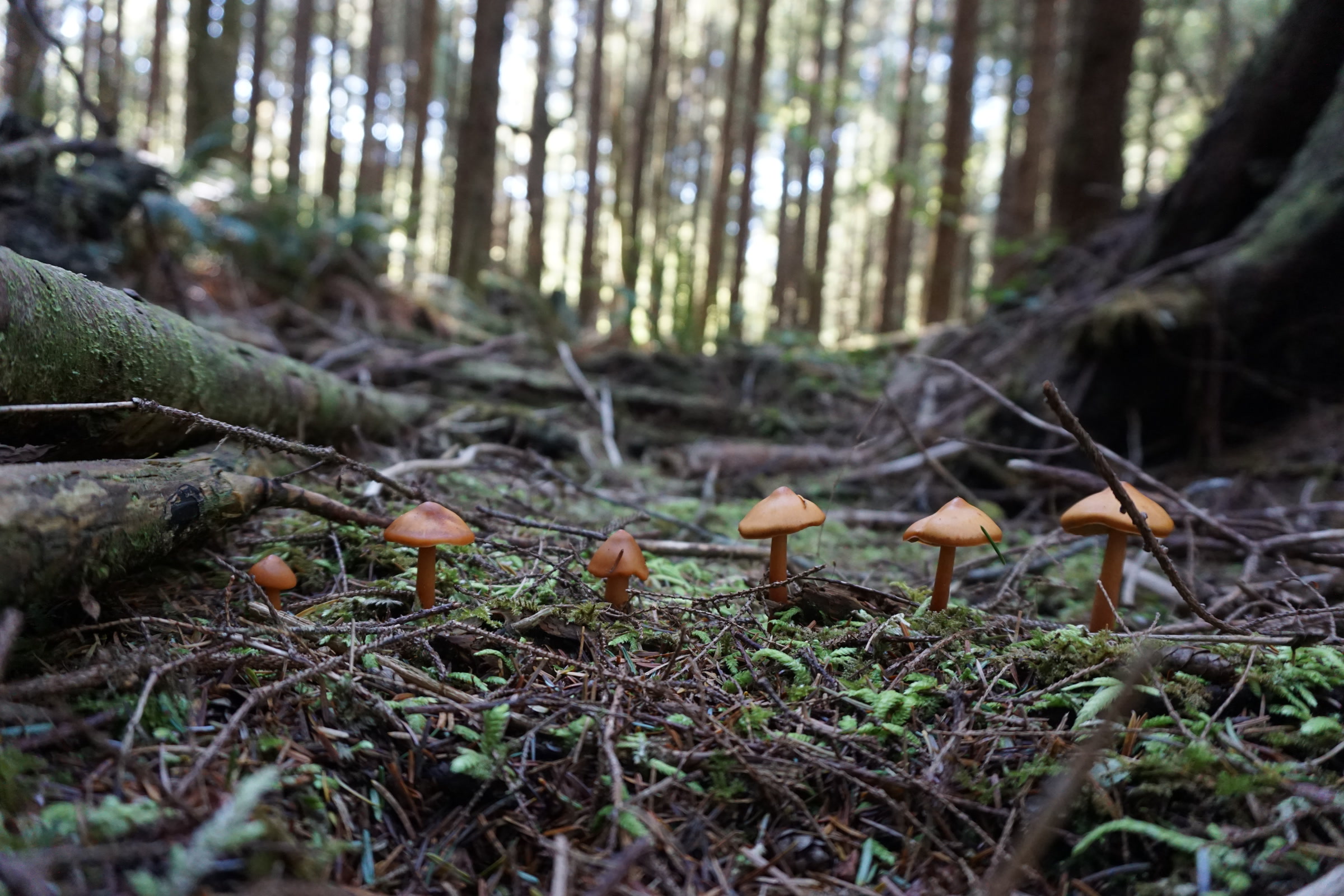
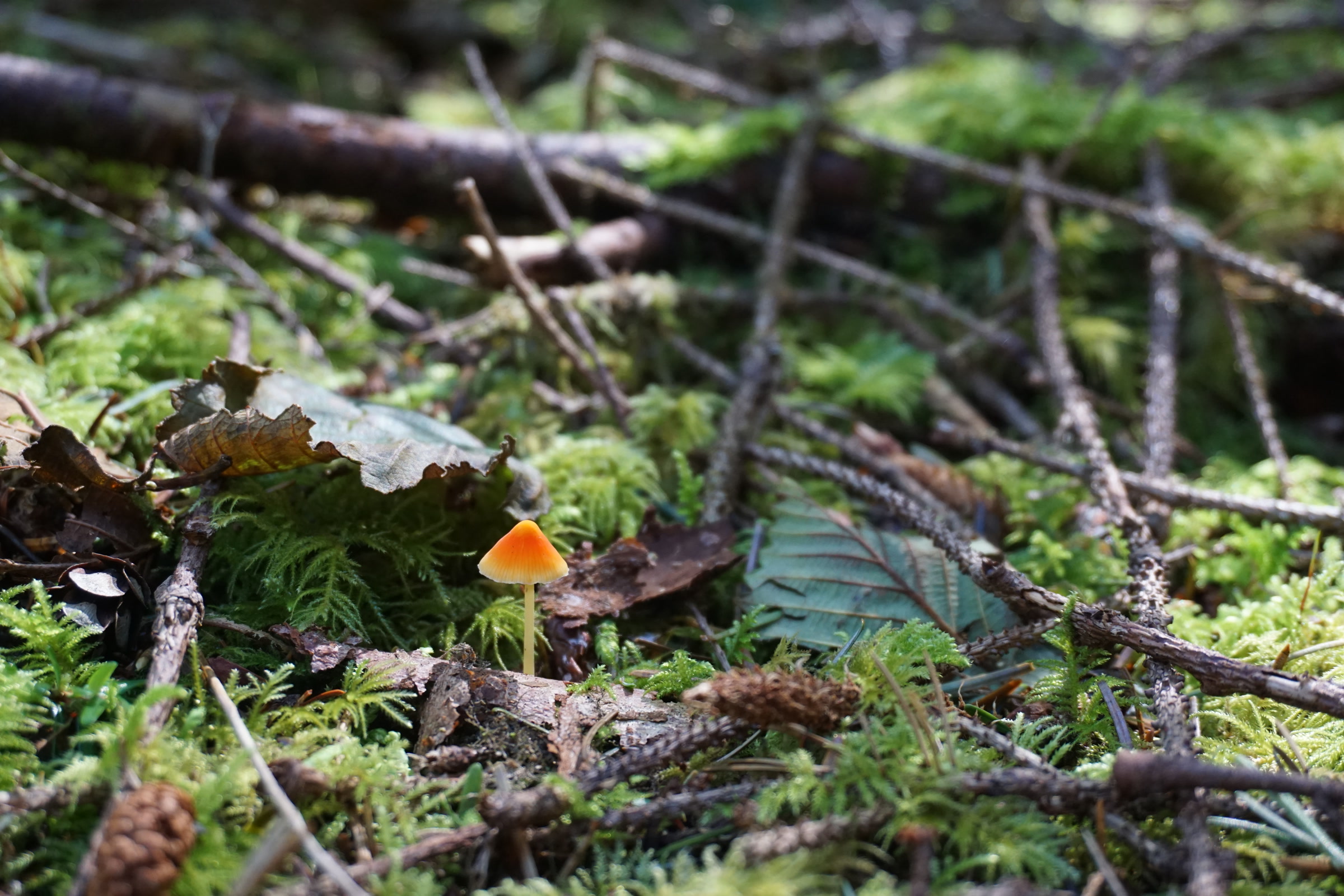
Fall is fungi season. According to the park’s guide to fungi in Olympic National Park, at least 1,400 species grow here. The park covers about 2 percent of Washington’s land yet holds at least 56 percent of the state’s mushroom diversity.
Mushrooms appear almost year-round, but the peak runs from the first fall rains until the first major frosts. A fungi walk shows how much these organisms do: some feed on dead wood, some partner with tree roots, and a few attack living trees.
Look, don’t pick: the park’s rules
Our walks are about looking, photographing and learning. Collecting natural materials in the park is generally prohibited, with a narrow exception in the park’s Superintendent’s Compendium for edible fruits, berries, nuts and mushrooms.
- Edible mushrooms may be gathered by hand for your own consumption only.
- The limit is 1 quart per person per day for fruits, berries, nuts and mushrooms combined.
- No gathering within 200 feet of nature trails, special trails or natural study areas.
- Wildflowers and insects stay where they are.
Several deadly species grow in the park, including the funeral bell. The park’s own advice is that enjoying mushrooms without picking them is the safer choice, and we agree.
How to join a guided walk
Walk spaces are small, so the best way to hear about one early is to become a member of Friends of Olympic National Park. Invitations to our annual events are a member benefit, and our 2006 Hurricane Hill walk was a members-only outing. Each listing says who can take part.
- Check our upcoming events calendar for the next walk and its meeting point.
- Join or renew your membership. Annual memberships start at $15 for students and current armed services.
- Register as the listing describes, then watch your email for any weather changes.
What to bring
- layered clothing and rain gear, since mountain weather changes fast
- sturdy walking shoes and a hat
- a flashlight for evening walks
- water, a camera and a hand lens if you have one
More ways to learn about the park with us
If you enjoy walks, you may like our Winter Perspectives lecture series in the darker months. Gardeners can help tend the Visitor Center pollinator garden, where many of the same bees and butterflies feed. Families with young explorers should look at National Junior Ranger Day at Olympic National Park.
Frequently asked questions
Are there guided walks in Olympic National Park?
Yes. The park offers ranger-led programs in summer, and Friends of Olympic National Park runs guided insect, mushroom and wildflower walks. Our walks are listed on our events page.
Can you pick mushrooms in Olympic National Park?
Only edible mushrooms, by hand, for personal consumption. The limit is 1 quart per person per day, and gathering is not allowed within 200 feet of nature trails, special trails or natural study areas.
When is mushroom season on the Olympic Peninsula?
Mushrooms appear almost year-round, but the park says the peak runs from the start of the fall rains until the first major frosts.
When do wildflowers bloom at Hurricane Ridge?
The subalpine meadows bloom in summer once the snow melts. Timing shifts by weeks from year to year, so wildflower walks are scheduled close to the date.
Do I need to be a member to join a FONP walk?
Each walk listing says who can take part. Members receive invitations to our annual events, so joining is the surest way to hear about walks early.
Walk with us
Guided walks are how many of our members first fell for the park’s smaller wonders. Browse our projects, see our volunteer opportunities at Olympic National Park, or join today so the next invitation lands in your inbox.
Leave a Reply