
Our Projects · Volunteer · Port Angeles
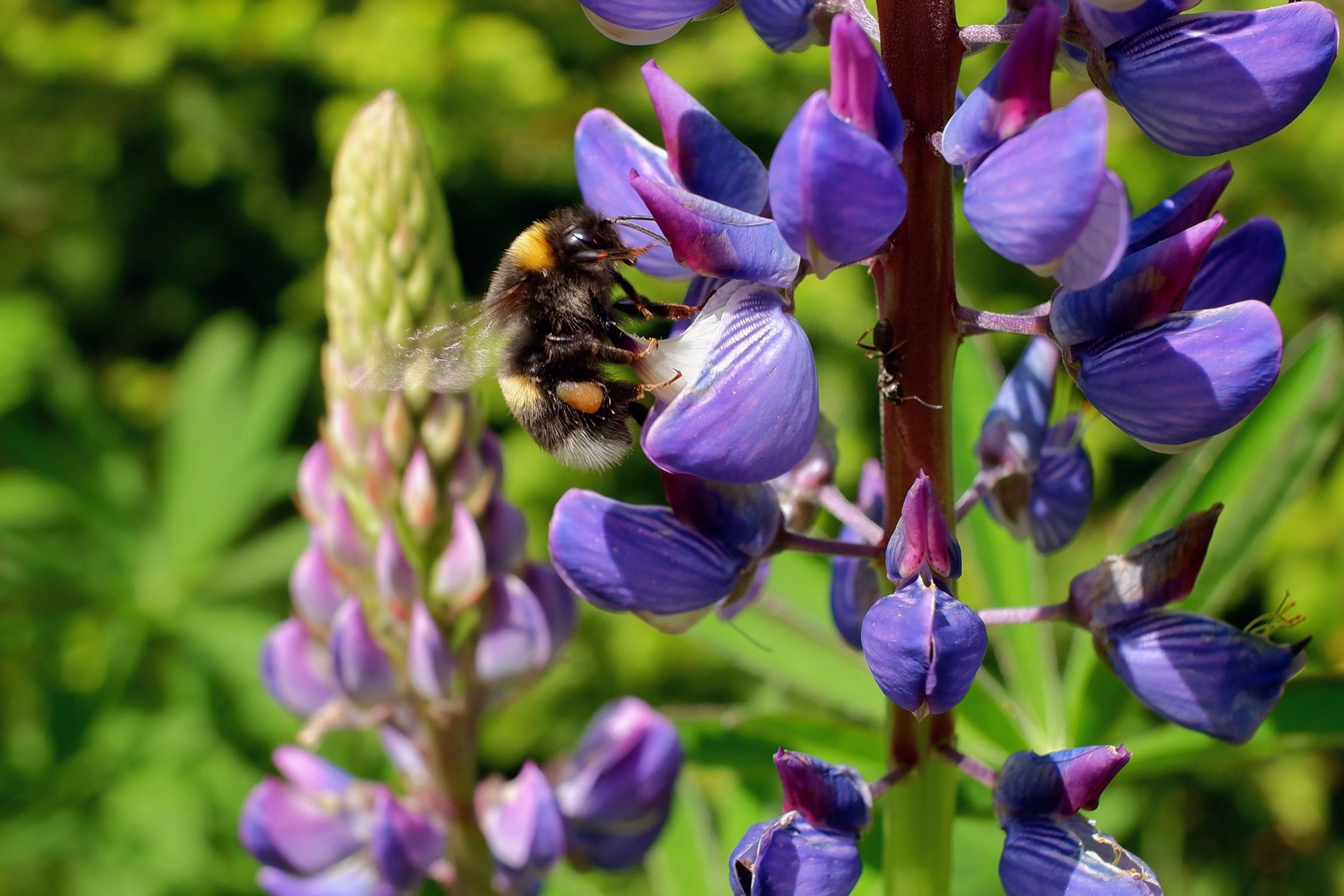
The Olympic National Park pollinator garden sits on the grounds of the main Olympic National Park Visitor Center at 3002 Mt Angeles Rd in Port Angeles. Each year, Friends of Olympic National Park volunteers come together to weed, tidy and care for it so it keeps supporting native plants and wildlife. It is one of the easiest ways to give back to the park without leaving town.
Garden care is part of our Beach & Visitor Center Cleanups project, one of the seven projects FONP volunteers support. This page explains what we do in the garden, why pollinators matter, and how you can join the next work day.
What we do in the pollinator garden
The Visitor Center is where thousands of people start their trip into the park each year. We want its grounds to feel welcoming, and we want the garden to keep doing its quiet work for bees, butterflies and birds. Our volunteer days combine general cleanup with hands-on garden maintenance.
Typical tasks on a work day include:
- Weeding so garden plants are not crowded out
- Deadheading spent blooms and tidying beds
- Mulching to hold moisture and keep weeds down
- Removing non-native invasive plants from garden areas, such as the Entrance Sign Garden
- General grounds cleanup around the Visitor Center and the park entrance sign
Invasive plant removal near Port Angeles
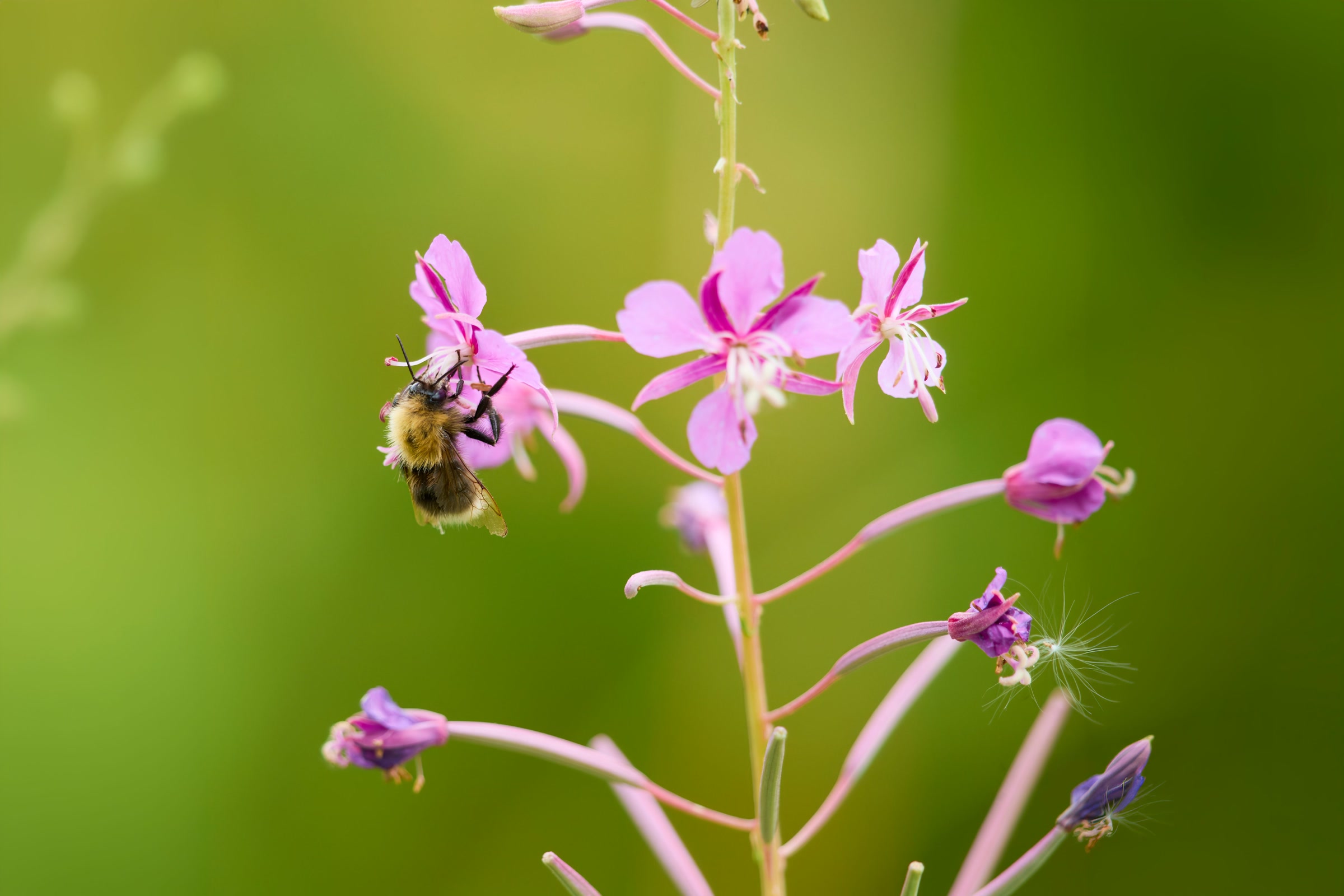
Invasive plants spread fast and can smother the plants that pollinators rely on. On June 17, 2025, our volunteers held an Entrance Sign Garden cleanup focused on pulling non-native invasive plants. If you have been looking for an invasive plant removal volunteer day in Port Angeles, this is a friendly, low-key place to start.
Why a pollinator garden matters
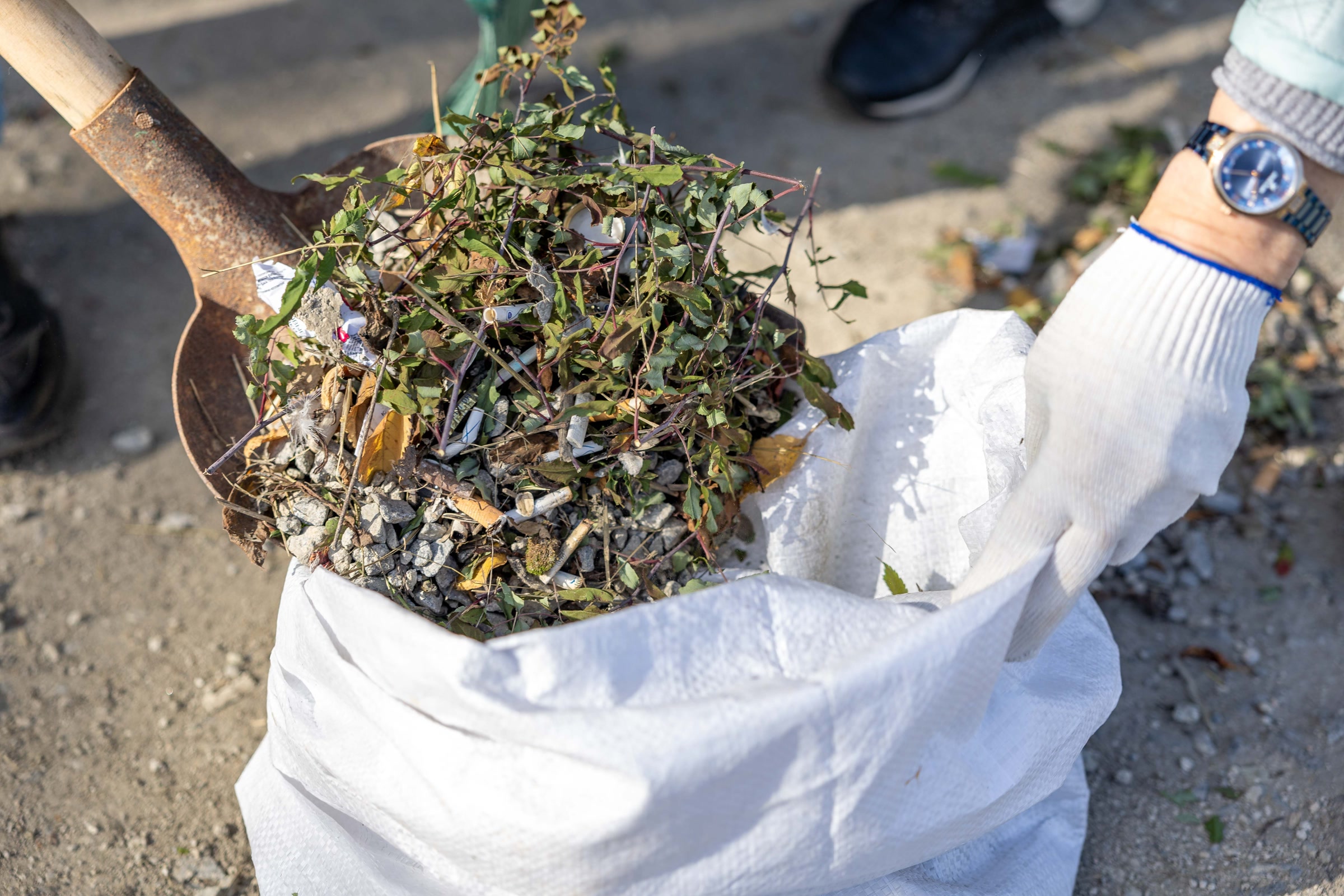
Pollinators carry pollen from flower to flower so plants can make seeds and fruit. According to the National Park Service pollinator program, more than 75 percent of the world’s flowering plants depend on bees, butterflies, birds, bats and other pollinators. The same source notes that many pollinator populations are declining.
Gardens help because they give pollinators food and shelter close together. Even a small, well-kept bed near a busy building can become a useful stop for insects and birds moving between the forest and town.
Native plants and the pollinators that use them
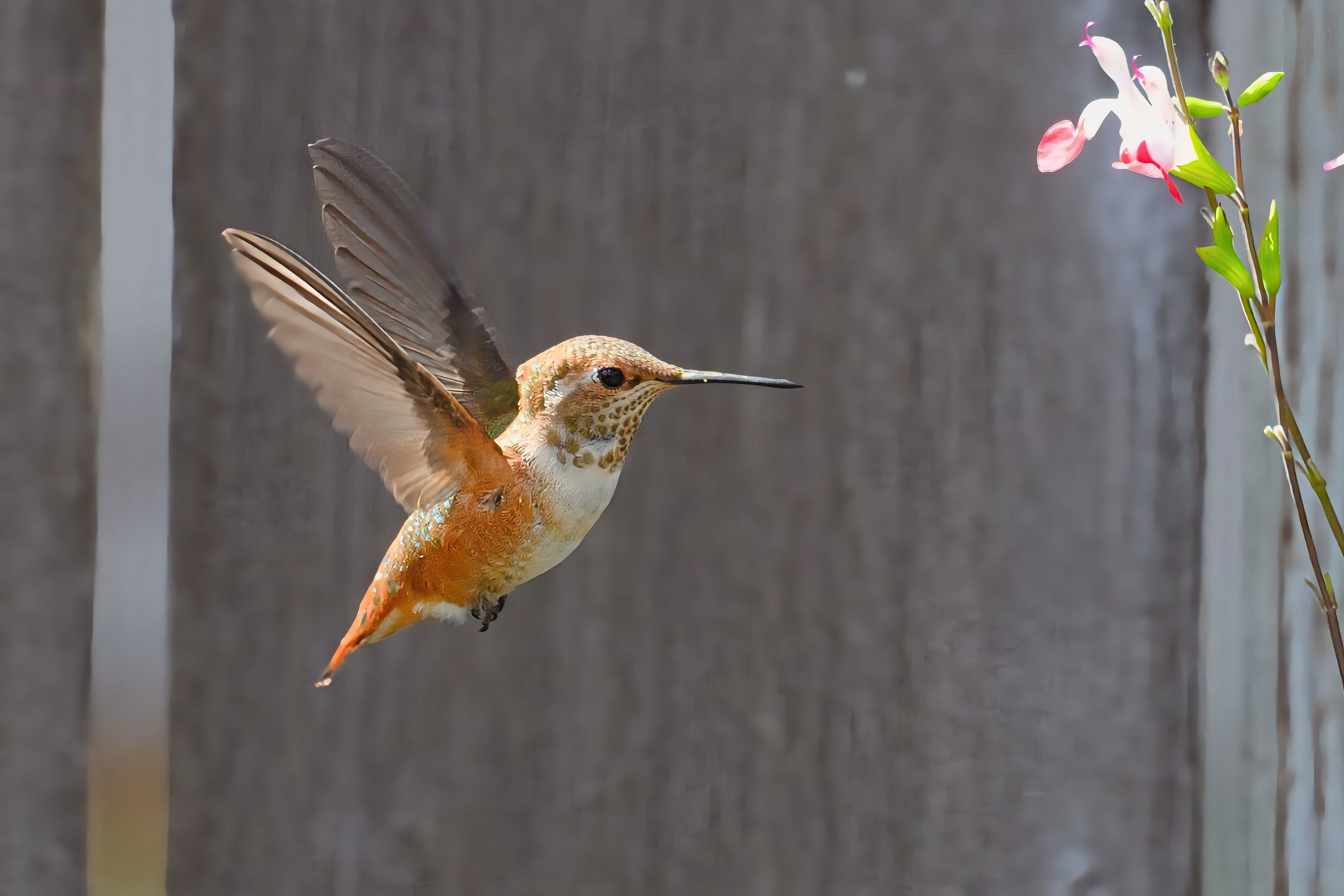
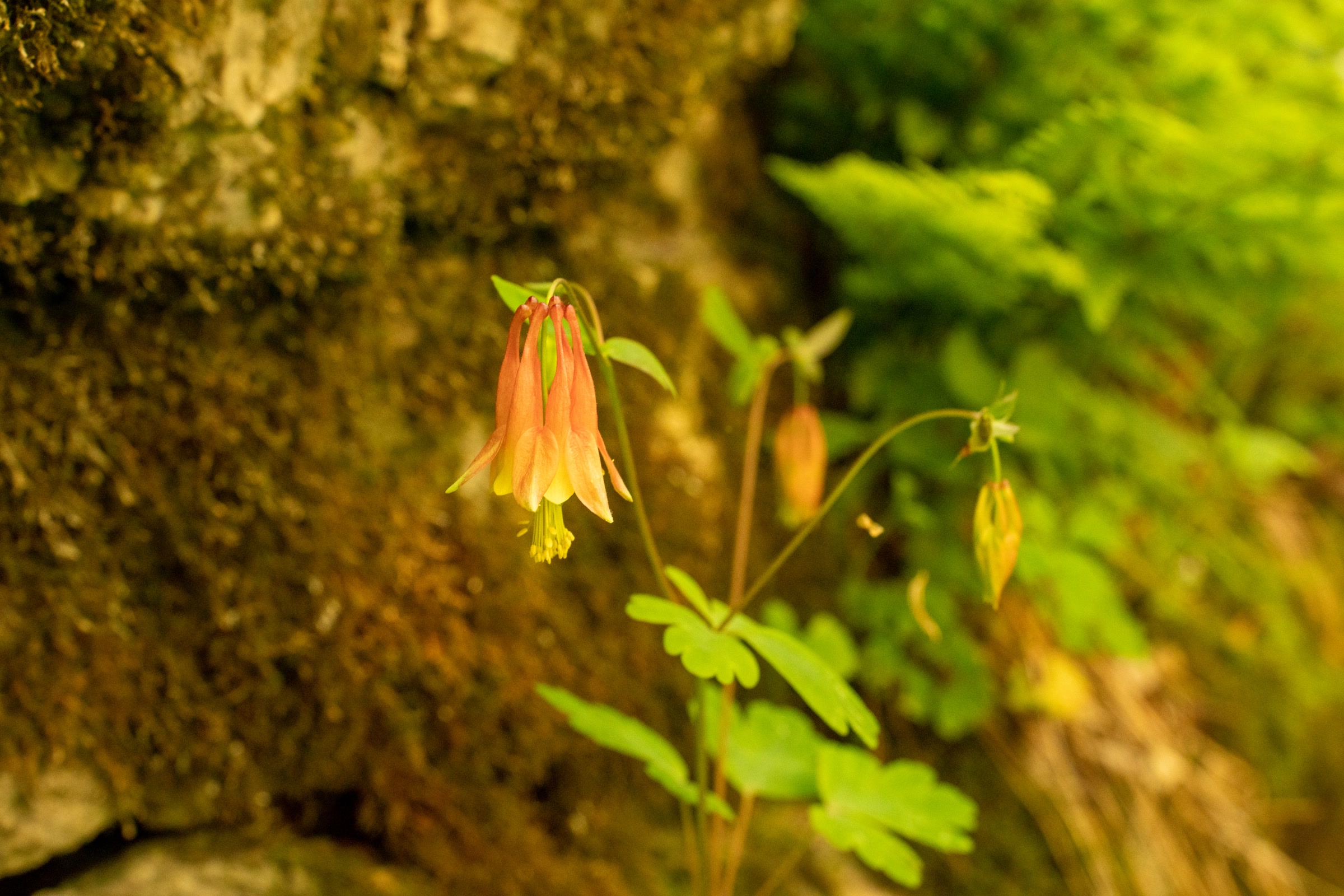
Native plants and local pollinators grew up together over a very long time, so they tend to fit each other well. That is why caring for native plants and clearing out invasive ones go hand in hand. Here are some of the pollinators you might notice on the Olympic Peninsula:
- Bumblebees and other native bees, busy on cool, cloudy days when many insects stay put
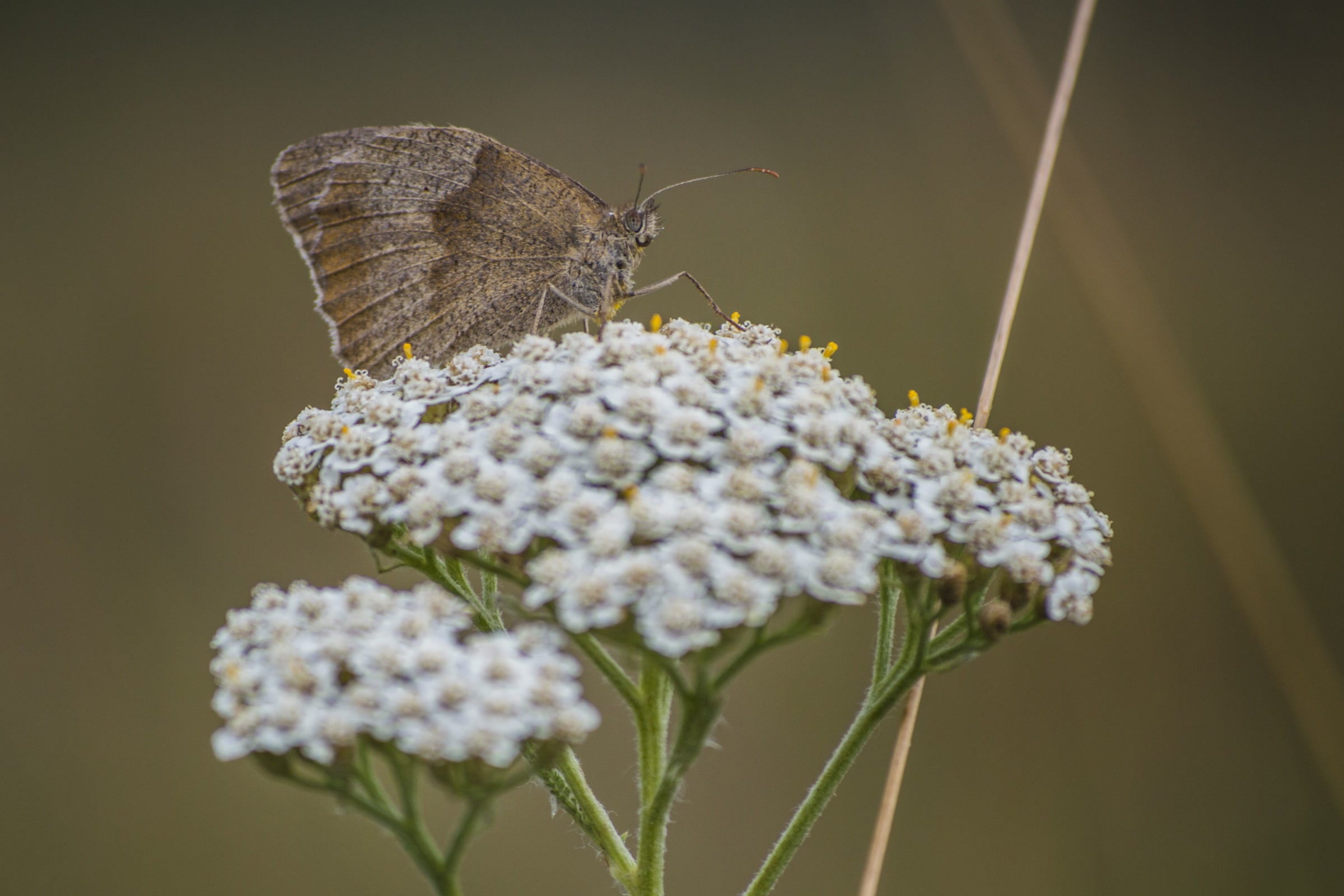
- Butterflies and moths, which favour open, sunny flower beds
- Hummingbirds, drawn to tubular red and pink flowers
- Flies and beetles, the overlooked pollinators of many wildflowers
Want to plant for pollinators at home? Pollinator Partnership publishes free ecoregional planting guides for pollinators, including one for the Pacific Lowland region. Enter your zip code to find the right guide for your yard.
When and where the work days happen
Garden and grounds work happens at the Olympic National Park Visitor Center, 3002 Mt Angeles Rd, Port Angeles, WA 98362. Our sessions have run from 9:00 AM to noon, which leaves the afternoon free to explore the park. New dates go up on our upcoming events calendar as soon as they are set.
Recent garden work days compared
| Work day | Date and time | Main tasks |
|---|---|---|
| Spring Visitor Center Cleanup and Pollinator Garden | May 2, 2026, 9:00 AM to noon | General cleanup and pollinator garden maintenance |
| Fall Cleanup | September 27, 2025, 9:00 AM to noon | Weeding, deadheading and mulching at the entrance sign and Visitor Center |
| Entrance Sign Garden cleanup | June 17, 2025 | Removing non-native invasive plants |
Read more about the spring day on our Visitor Center cleanup and pollinator garden event page, or see how the autumn session went on the fall cleanup volunteer event page.
How to join an Olympic National Park Visitor Center cleanup
Signing up is simple, and no gardening experience is needed. Our crews explain each task at the start of the morning.
- Check our events page for the next Visitor Center or garden date.
- Register in advance through Volunteer.gov, using the listing linked from the event page. Spots can be limited; the fall 2025 session closed once 20 volunteers had signed up.
- On the day, meet in the main Visitor Center parking lot and look for the FONP banner.
- After a short welcome, we split into teams and get to work.
New to volunteering in the park? Our step-by-step guide to volunteering at Olympic National Park walks you through Volunteer.gov and other ways to help.
What to bring
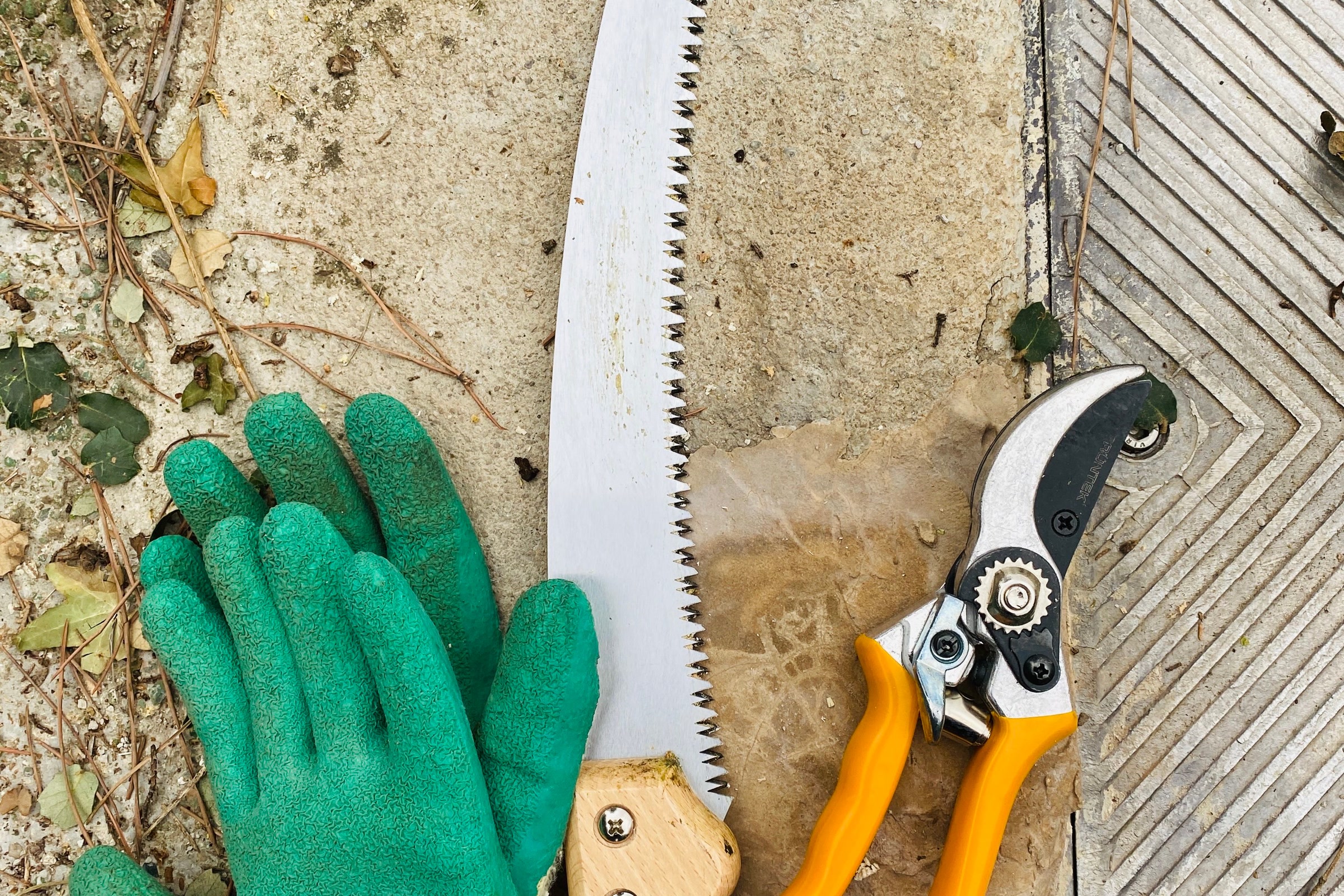
At our fall 2025 session, hand tools and water were provided. Volunteers were asked to bring:
- garden gloves, or your own favourite pair
- sunscreen and a hat
- clothes and shoes you don’t mind getting dirty
Check each event listing for the latest details, since what we supply can change from one work day to the next.
Who joins a garden morning
Garden days are open to everyone. Port Angeles and Sequim neighbours, newcomers to the peninsula and visiting park lovers can all pitch in and meet others who care about the park. Because the work is close to the parking lot and the pace is relaxed, it suits people who prefer a trowel to a long hike.
You can work at your own speed, take breaks when you need them, and choose a task that fits you. Some volunteers kneel to weed, others spread mulch or carry bags of clippings to the collection point.
More ways to help near the Visitor Center
If you enjoy the garden, you may like our other hands-on projects. Head to the coast for beach cleanups in Olympic National Park, or join one of our guided insect, mushroom and wildflower walks to learn more about the plants and creatures you have been helping. Families visiting the Visitor Center can also explore our Children’s Discovery Room project.
Frequently asked questions
Where is the Olympic National Park pollinator garden?
It is on the grounds of the main Olympic National Park Visitor Center at 3002 Mt Angeles Rd, Port Angeles, WA 98362. Volunteers meet in the Visitor Center parking lot on work days.
How do I sign up for a Visitor Center cleanup?
Find the next date on our events page, then register in advance through Volunteer.gov. Spots can be limited, so sign up early.
Do I need gardening experience?
No. Crews explain each task at the start, and jobs like weeding and mulching suit beginners.
What should I bring to a garden work day?
Bring gloves, sunscreen and a hat, and wear clothes you can get dirty. At our fall 2025 session, hand tools and water were provided.
Why remove invasive plants from the garden?
Invasive plants spread quickly and crowd out the plants that pollinators depend on. Clearing them gives native plants room to grow.
Grow something good for the park
A few hours in the garden makes a visible difference for visitors and for wildlife. See all our volunteer opportunities at Olympic National Park, browse our projects, or become a member to hear about the next garden day first.
Leave a Reply