
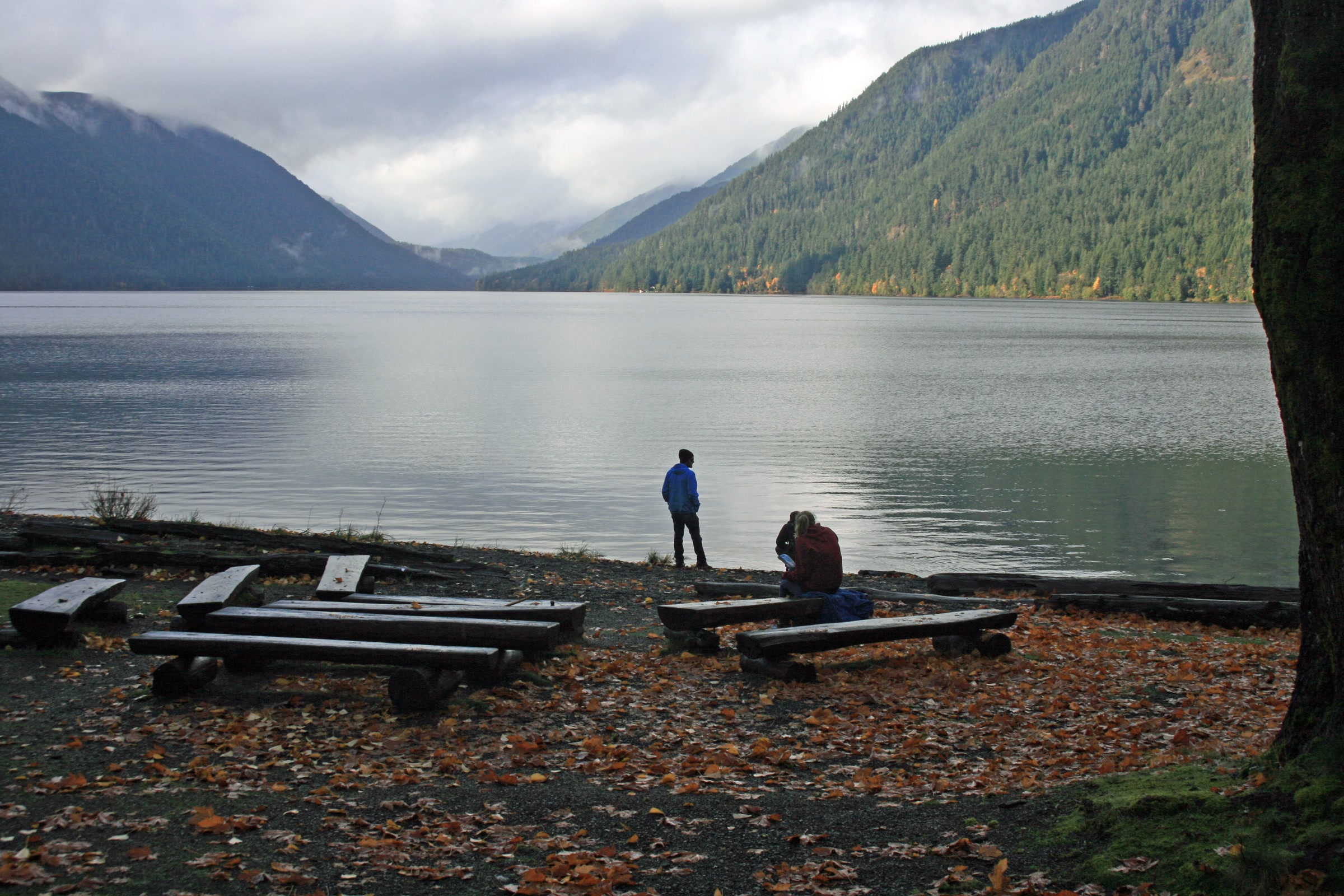
Our Projects · Volunteer · Lake Crescent
Graffiti removal in Olympic National Park is slow, careful work that nobody should have to do. Initials carved into bark, names scratched into boulders and spray paint on rocks all take something from the next visitor. Graffiti Removal is one of the seven projects Friends of Olympic National Park supports, alongside our cleanups and our trail crew.
This page explains why graffiti matters in a wild park, what our volunteers have done about it, and how to report vandalism if you find it. Most of all, it is an invitation to help keep the park’s rocks and trees unmarked.
Why graffiti matters in a wild park
The National Park Service is clear on this point. Its graffiti guidance for visitors at Arches National Park says all graffiti in a park is vandalism, no matter how small or how lightly drawn. Marking rock is illegal, and even after a careful cleaning the stone often stays discoloured.
Removal is also expensive in time and effort. Light marks may come off with brushes and water, but deep carving can only be ground down, which changes the rock for good. Every hour spent erasing initials is an hour not spent on trails, habitat or visitor programs.
Common kinds of graffiti compared
| Type | Where it shows up | Why it lasts |
|---|---|---|
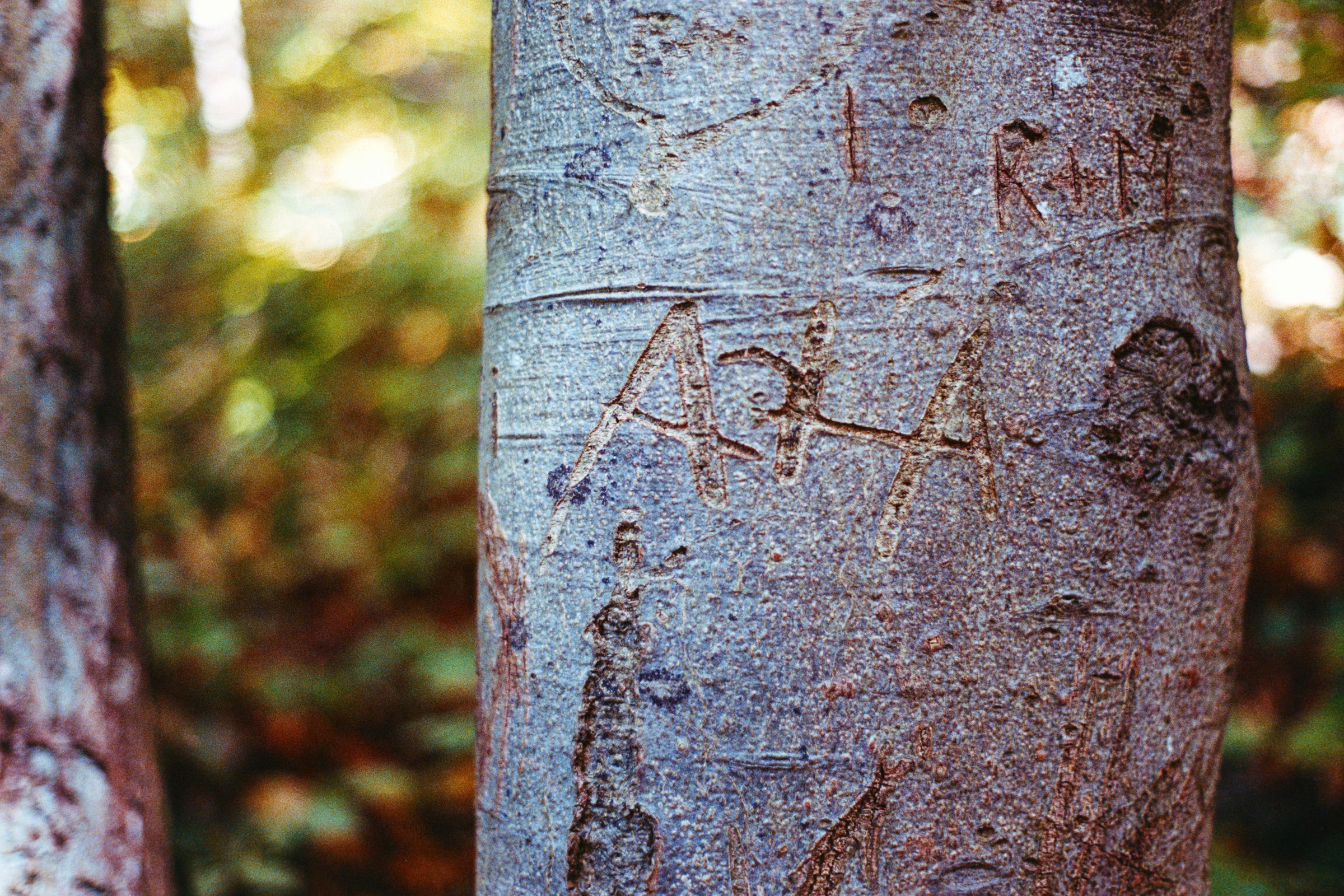
| Carved initials | Tree bark, wooden railings | The cut becomes a permanent scar |
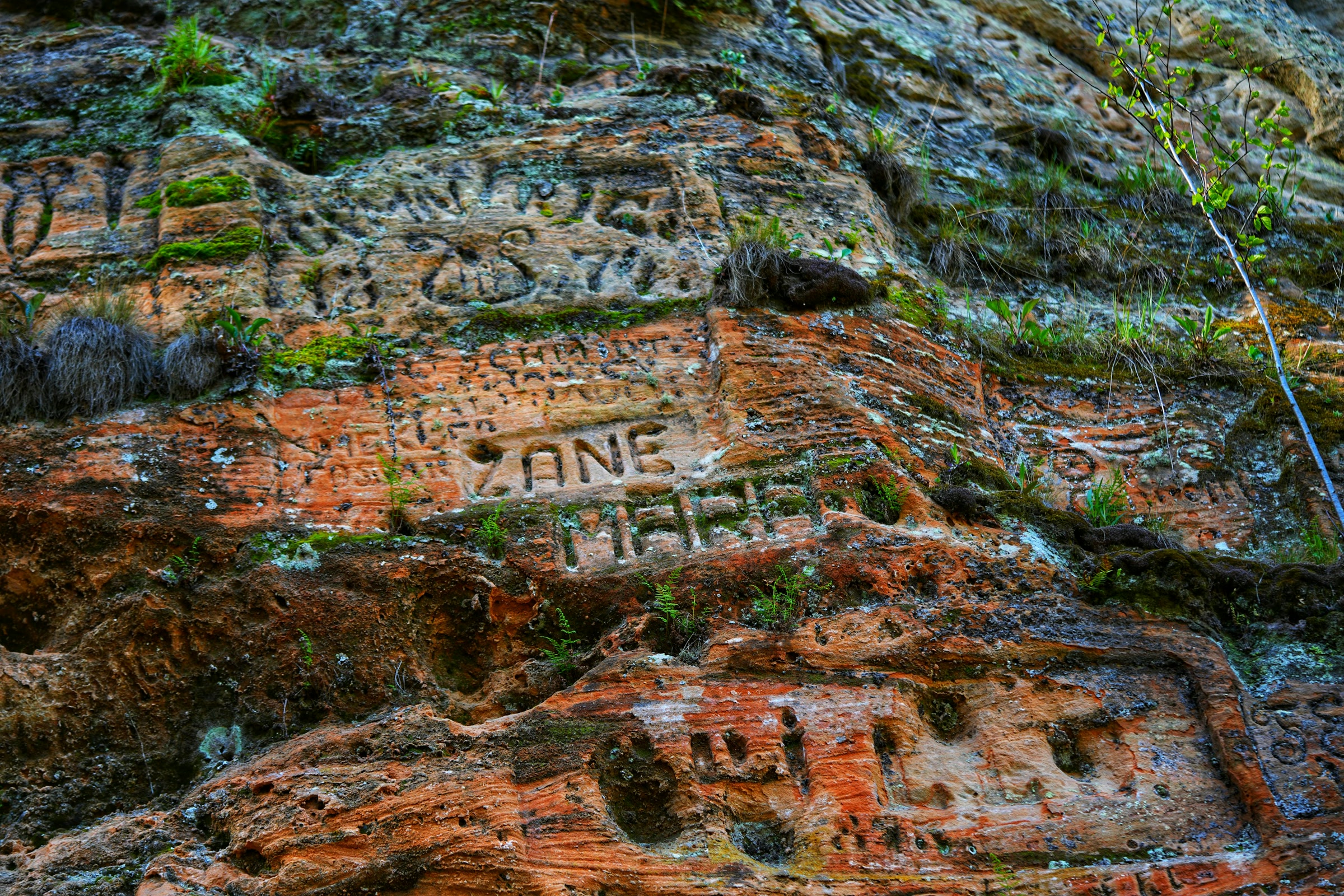
| Scratched or carved rock | Boulders, cliffs, shoreline stones | Deep marks can only be ground away |
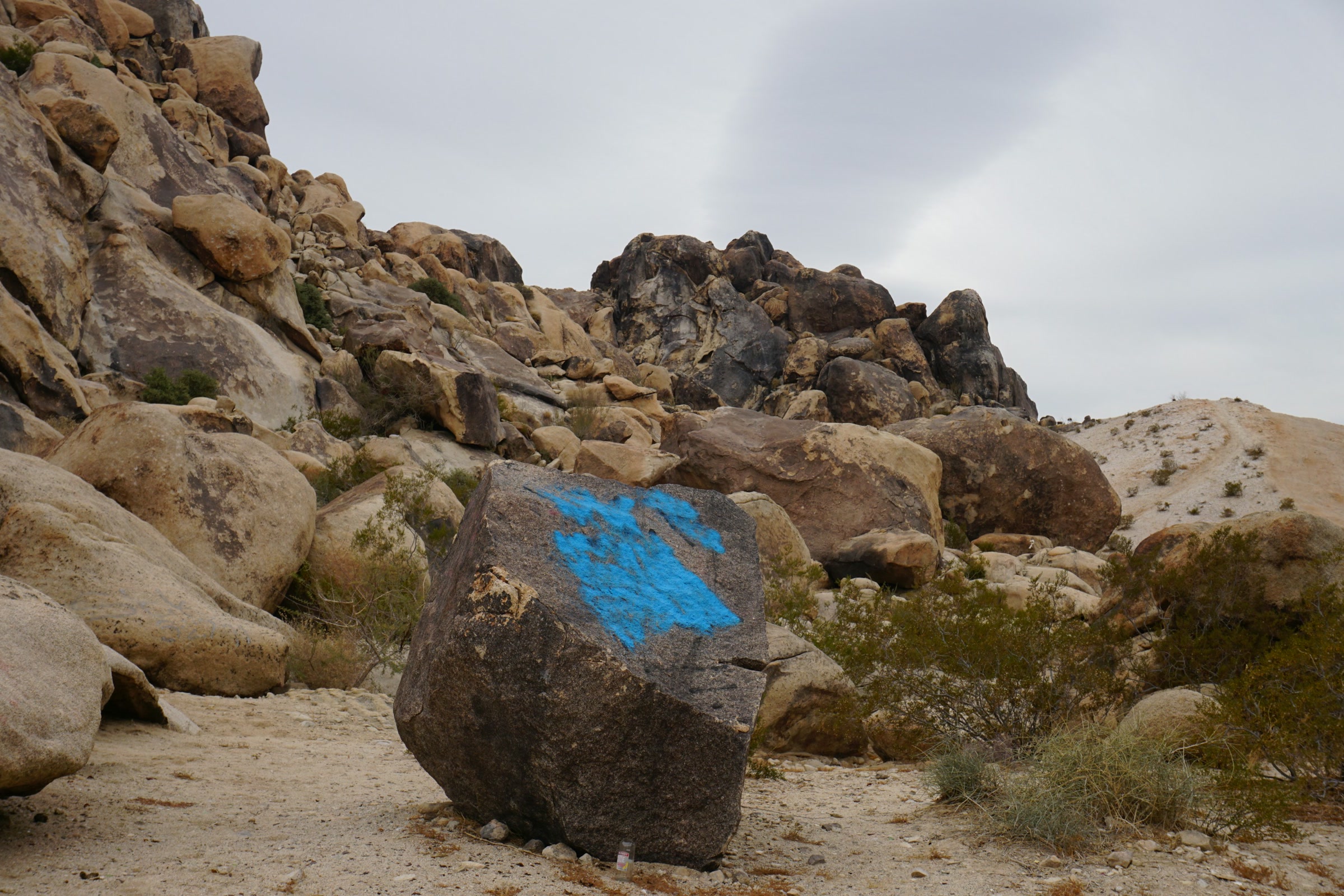
| Spray paint and marker | Rocks, signs, picnic tables | Pigment soaks into the surface and stains |
| Chalk and painted stones | Rock faces, trailsides | Still graffiti, and it invites copycats |
Marks left in place can also invite more of the same. One set of letters on a boulder can grow into a crowded wall, so prompt reporting matters.
What we do
Graffiti Removal sits within the volunteer side of our work. Our role is to bring willing, careful hands to projects the park has approved, and to work alongside park staff rather than on our own. Choosing the right method for each surface matters as much as the scrubbing itself.
Research and careful method sit at the heart of this project. Our 2024 Most Inspirational Friend, Desiree Marble, was honoured for “Research & Implementation, East Beach Graffiti Removal.” You can read the full list of past recipients of our Most Inspirational awards, or the story behind the Willie McCool award.
East Beach and the Lake Crescent shoreline
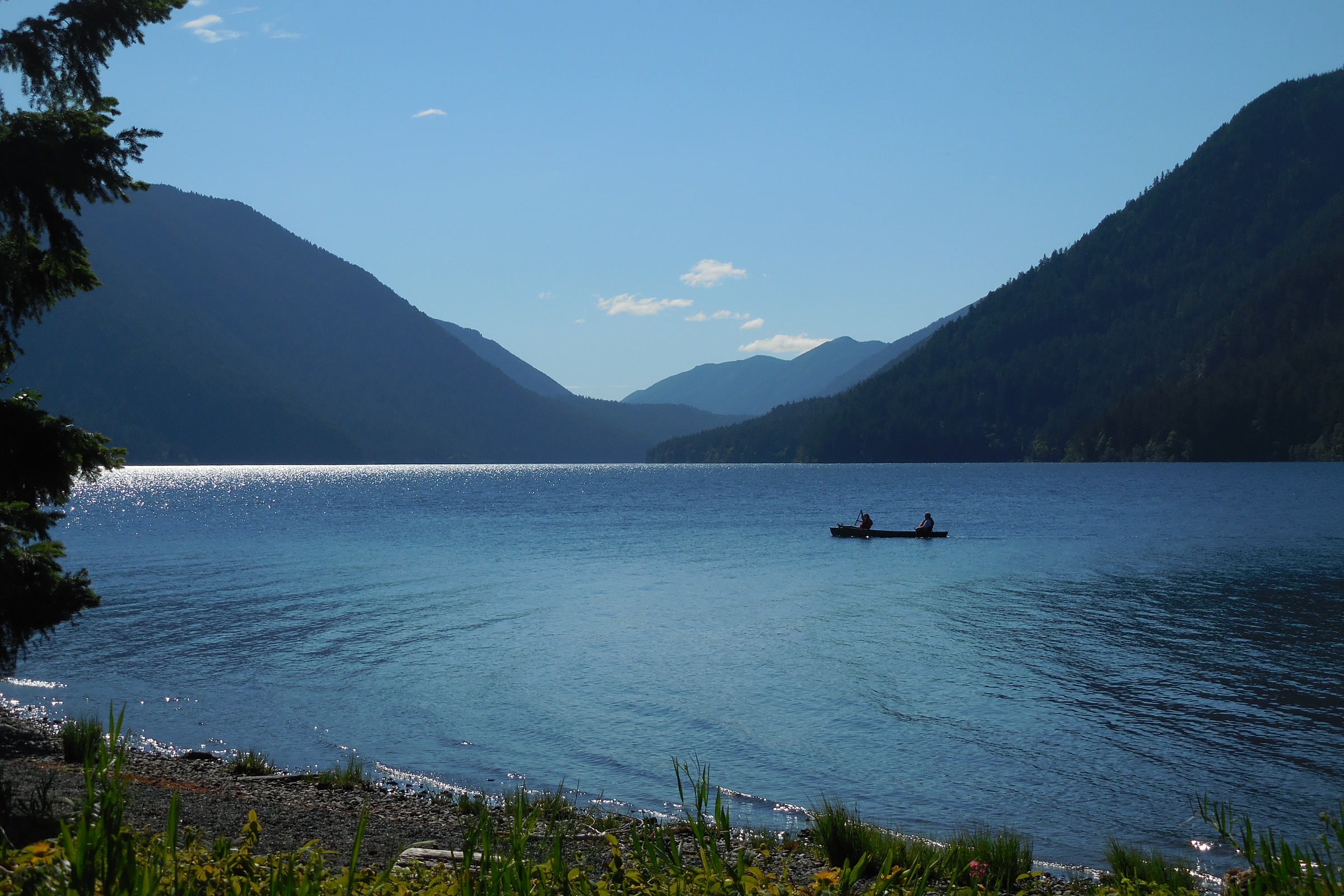
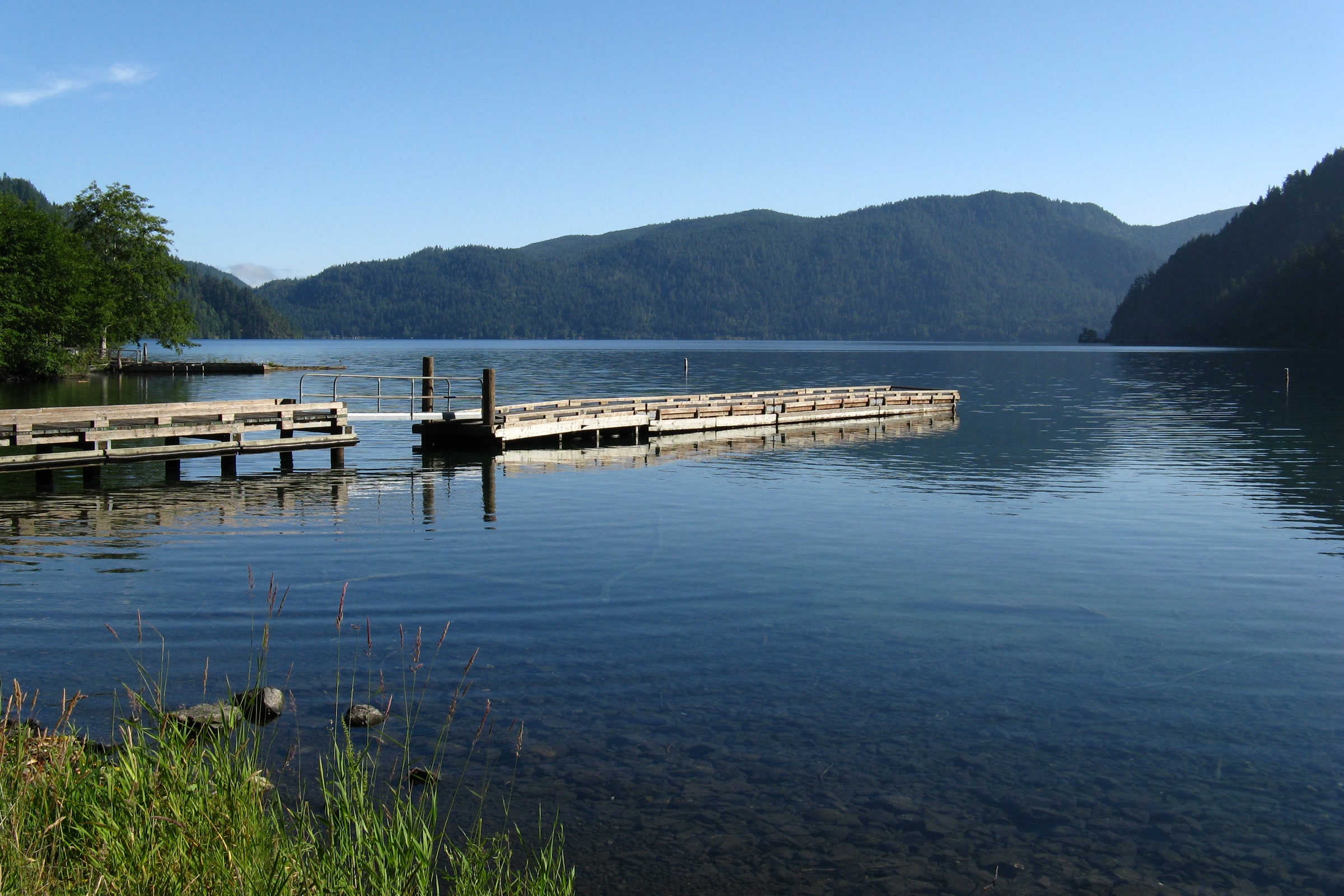
East Beach is the place named in our 2024 award. The park describes East Beach as a scenic picnic area on the shore of Lake Crescent. It has picnic tables, fire pits, an accessible restroom, trash bins and a launch for canoes, kayaks and small boats.
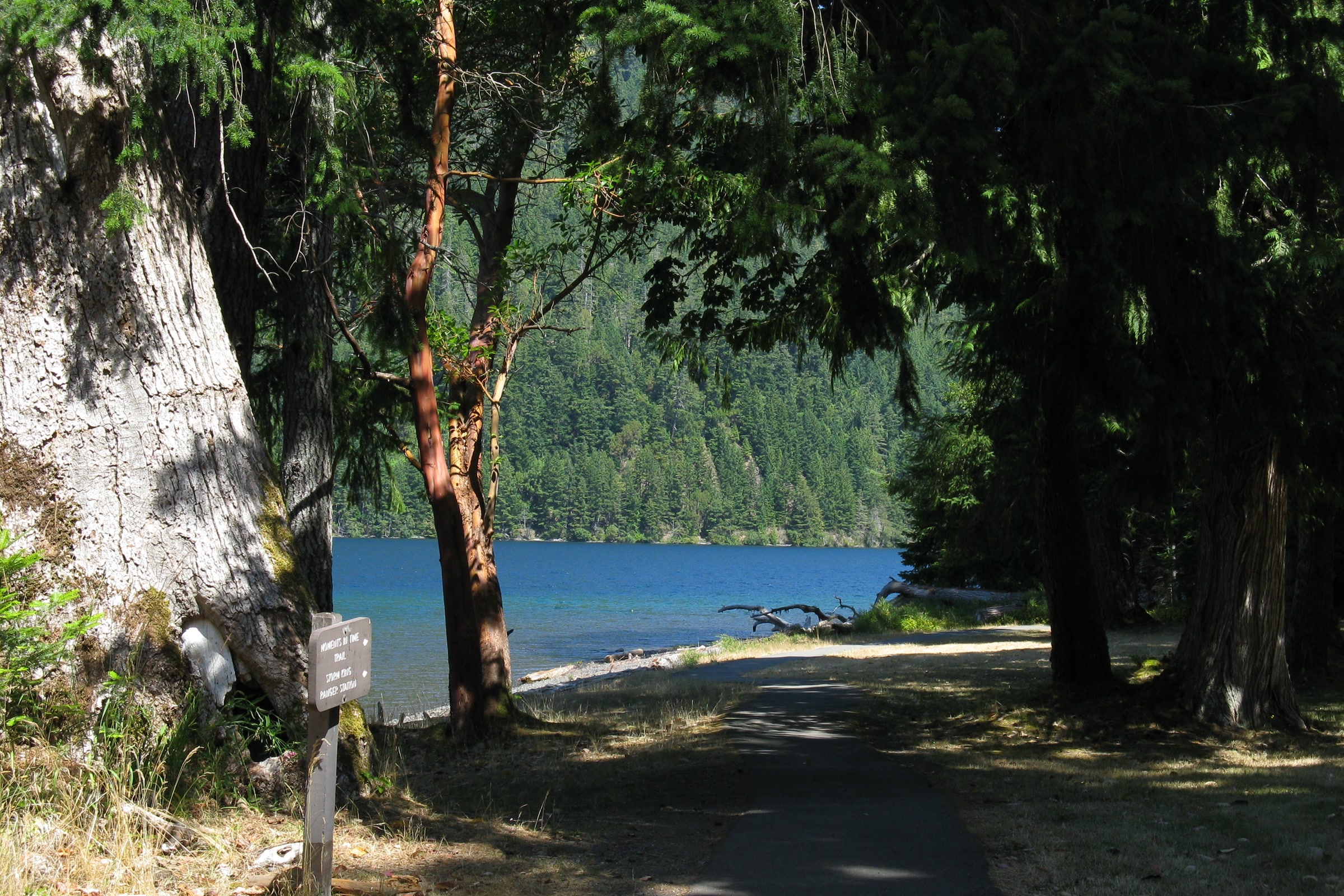
Day-use spots like this see a lot of happy use, and a few thoughtless moments. Picnic tables, shoreline rocks and big trees are the usual targets. Please leave them exactly as you found them.
Simple ways to leave no trace at the lake
- Take photos instead of leaving your name behind.
- Leave rocks, driftwood and plants where they are.
- Pack out your trash, or use the bins provided.
- Teach children that the park’s rocks and trees aren’t for writing on.
How to report vandalism in Olympic National Park
If you find fresh graffiti, or see someone carving or painting, report it. The National Park Service runs a tip line for reporting crimes in any national park, and you don’t have to give your name.
Ways to report vandalism compared
| Channel | How | Best for |
|---|---|---|
| Phone tip line | 888-653-0009 | A quick report, with or without your name |
| Online form | Submit a Tip on the NPS Investigative Services page | Sending photos, up to 7 MB |
| nps_isb@nps.gov | Detailed notes with photos attached | |
| In person | Any ranger or park employee | Help on the spot |
| Emergency | Call 911 | Anything that threatens safety right now |
- Note exactly where you are: the trail, picnic area or landmark, plus GPS coordinates if your phone has them.
- Photograph the graffiti from a few angles without touching it.
- Write down the date and time, and a description of anyone you saw.
- Don’t confront anyone. Report what you saw and let rangers handle it.
Please don’t remove it yourself
It is tempting to scrub off a fresh tag on the spot. But the wrong cleaner or a wire brush can grind paint deeper into the rock or strip away lichen and moss. Removal belongs to park staff and the volunteers working with them, who know the surface and the method.
Prevention starts with young visitors
The cheapest graffiti to remove is the graffiti that never happens. Carving a name into a tree or a rock takes only a moment of forgetting about who comes next. A few words from a parent, a teacher or a ranger can change that for good.
That is one reason we support programs for young visitors. Our National Junior Ranger Day and Children’s Discovery Room projects help kids see the park as something to protect. A child who has earned a Junior Ranger badge makes a fine guardian of the family picnic spot.
- Talk with children about why we leave rocks and trees unmarked.
- Offer a camera or sketchbook as a better way to remember the day.
- Point out graffiti you see together, and report it as a family.
How to get involved
The best way to help is to join an organised volunteer day. Park volunteer projects are registered through Volunteer.gov, and our step-by-step guide to volunteering at Olympic National Park walks you through it.
- See all our volunteer opportunities at Olympic National Park.
- Help with beach cleanups in Olympic National Park and at the Visitor Center.
- Join our Heart O’ the Forest adopt-a-trail crew.
- Become a member to hear about volunteer days first.
Frequently asked questions
Is graffiti illegal in national parks?
Yes. The National Park Service treats all graffiti as vandalism, however small, and marking rock in a national park is illegal.
How do I report vandalism in Olympic National Park?
Call the NPS tip line at 888-653-0009, use the Submit a Tip form, email nps_isb@nps.gov or tell any ranger. Call 911 in an emergency.
Can I remove graffiti myself if I find it?
Please don’t. The wrong cleaner or tool can damage rock and plants. Report it instead and leave removal to park staff and approved volunteers.
Is carving initials into a tree graffiti?
Yes. Carving, scratching, painting and chalking all count as graffiti, and a carved tree carries the scar for life.
How can I help with graffiti removal?
Sign up for organised volunteer days through our volunteer page and Volunteer.gov, and become a member to hear about new opportunities.
Help keep the park unmarked
A park without graffiti is one where every visitor gets the same wild first look. Browse our projects to find your fit, or write to us through our contact page with questions.
Leave a Reply