
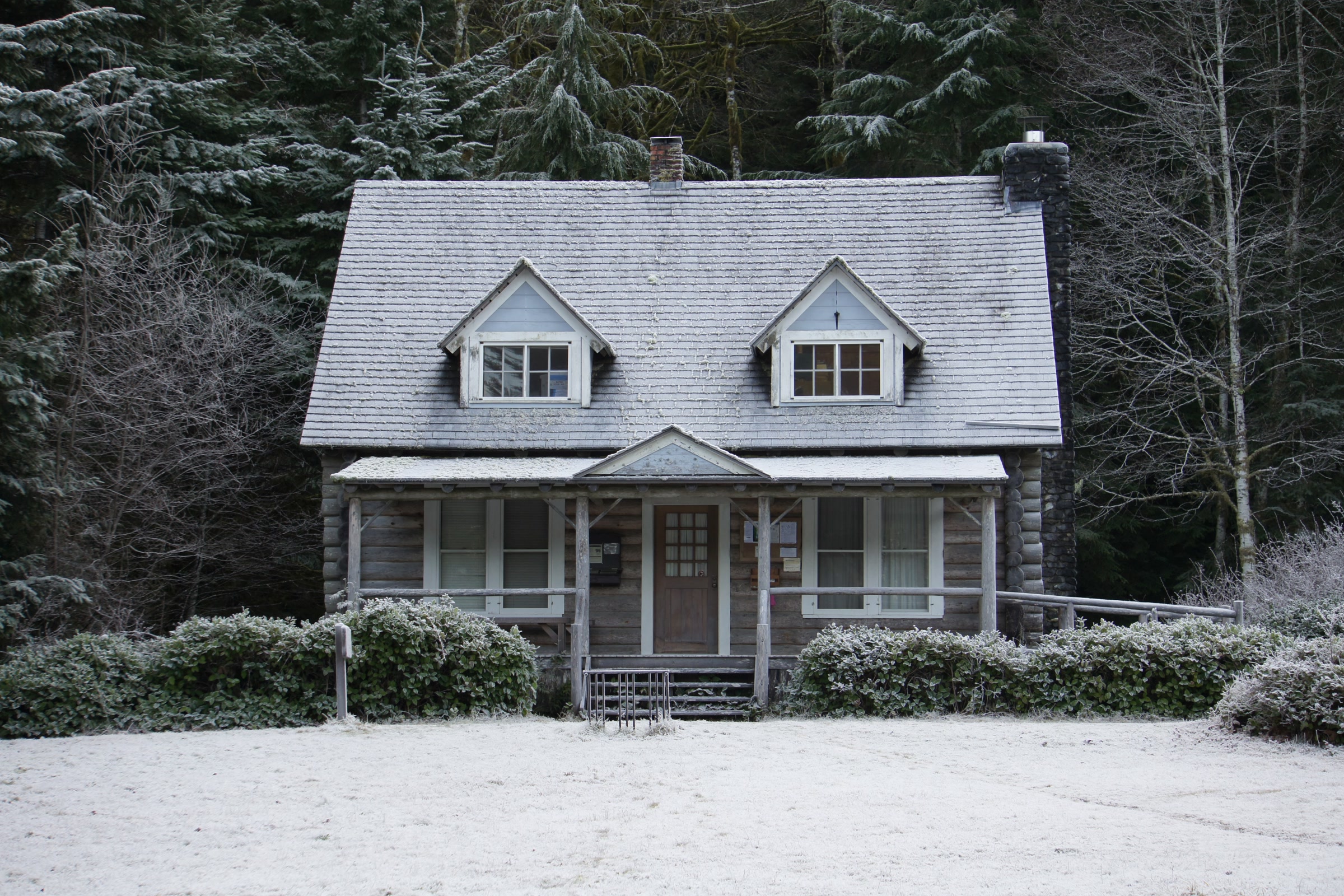
The historical structures of Olympic National Park range from lakeside resorts and log ranger stations to pioneer homesteads, trail shelters and wartime lookouts. More than 30 of these places are listed on the National Register of Historic Places, and several are easy to see on a day trip. This guide walks through the main types, where to find them and how to visit with care.
We’re Friends of Olympic National Park (FONP), a local, volunteer-led friends group. Park history is close to our members’ hearts, so we put together the guide we wished we’d had.
Why a wilderness park has historic buildings
People lived and worked on the Olympic Peninsula long before the park existed. Settlers filed homestead claims in river valleys, resort owners built lodges for travellers, and forest rangers put up stations and shelters along the first trails. When the park took in these lands, many of the buildings came with them.
Most of the park’s National Register listings were added on the same day, July 13, 2007. Many fall under a park-wide study called “Historic Resources of Olympic National Park.” A listing doesn’t freeze a building in place. It means the National Park Service has to weigh its history whenever it plans repairs, moves or removal.
Lodges and resorts on Lake Crescent
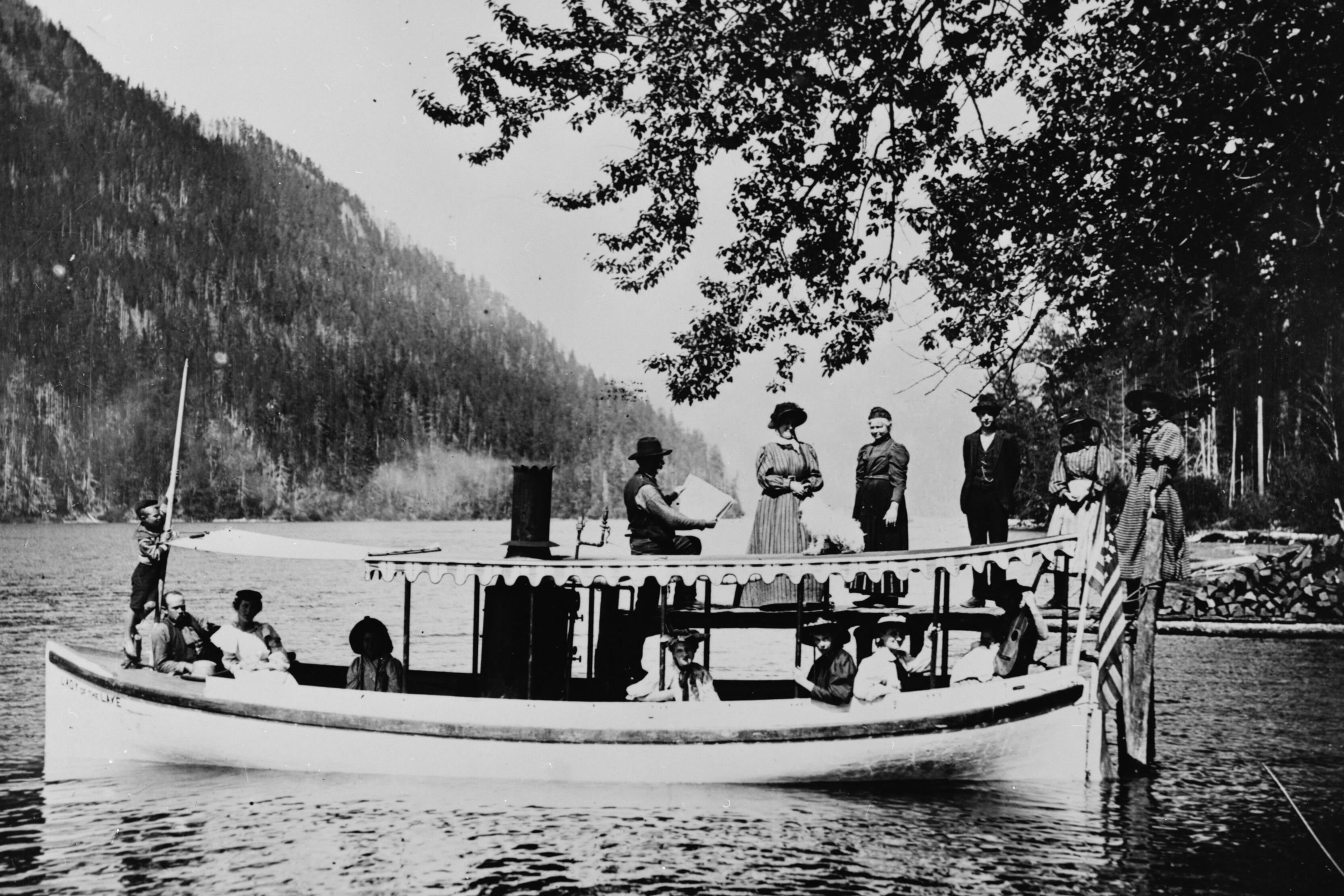
Lake Crescent was one of the peninsula’s first tourist destinations. Before the highway reached the lake, visitors arrived by small ferries, and resorts grew up along the shore to meet them.
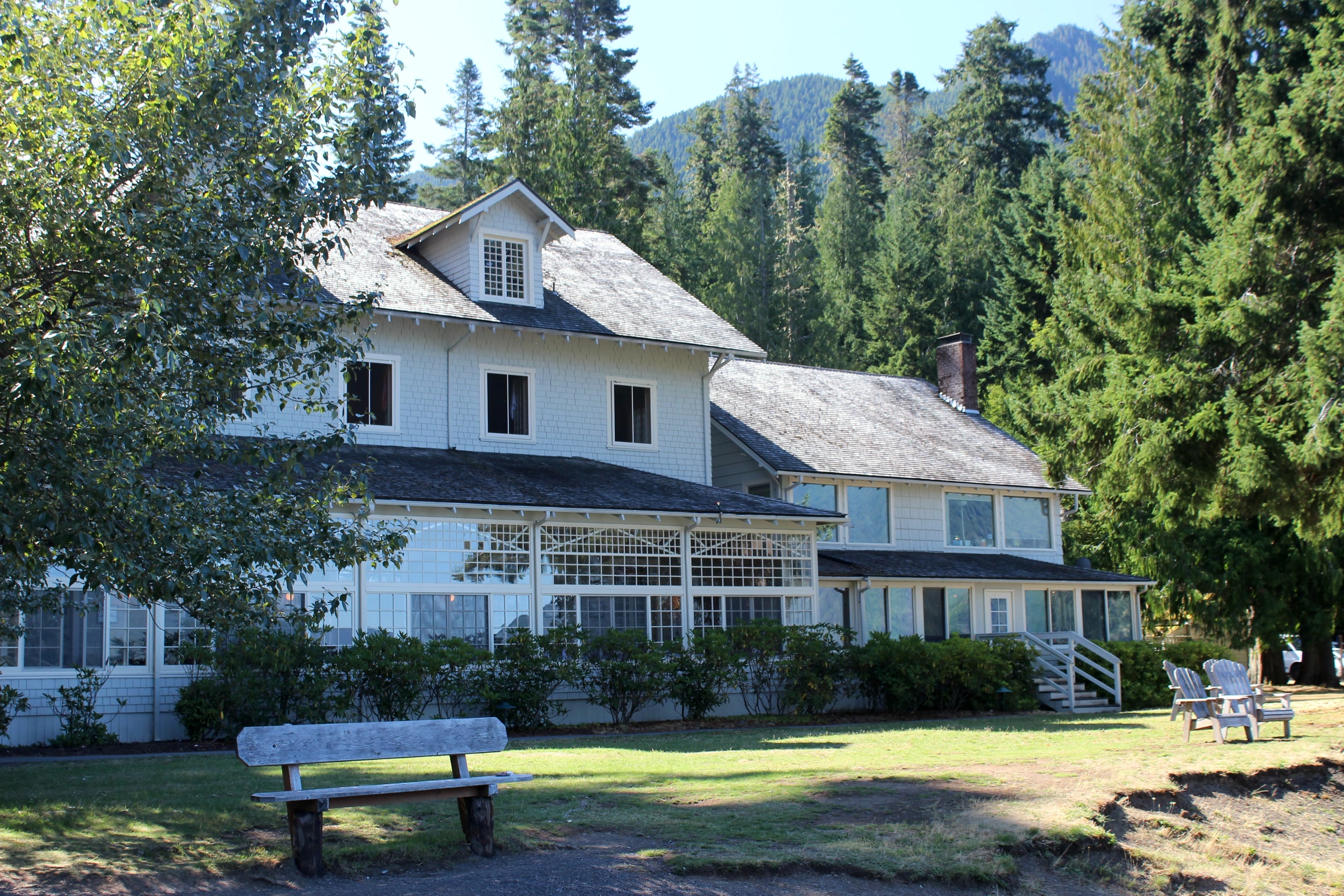
Lake Crescent Lodge
Avery and Julia Singer opened Singer’s Tavern at Barnes Point in 1915. It’s still welcoming guests today as Lake Crescent Lodge, which the National Park Service bought in 1951. President Franklin D. Roosevelt spent a night there in 1937, the year before he signed the bill that created Olympic National Park.
The lodge and its cabins were listed on the National Register in 2007 as Singer’s Lake Crescent Tavern. The park owns the property, and a concessioner runs it as a seasonal lodge.
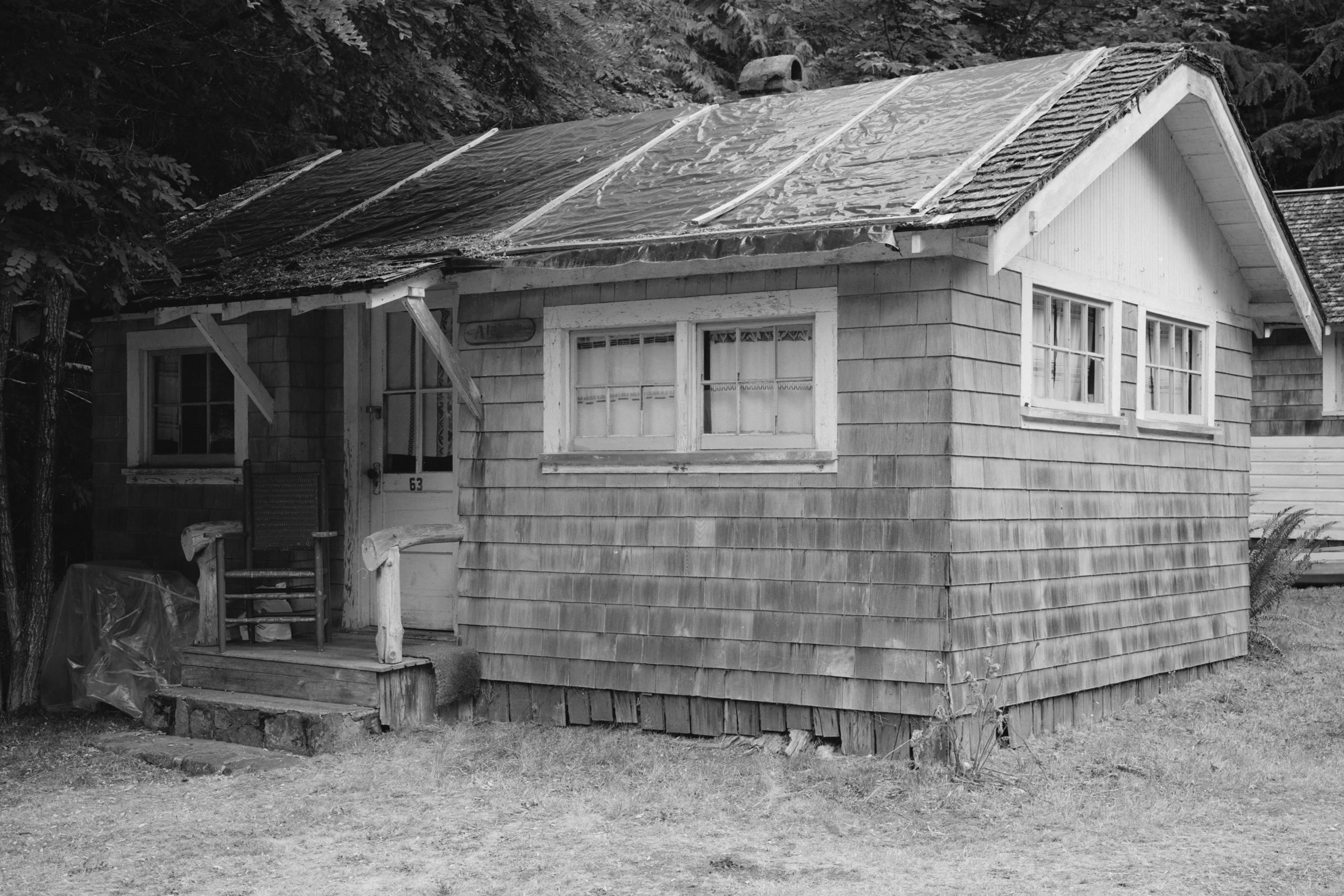
Rosemary Inn
Just along the shore, Rose Littleton and Mary Daum began building Rosemary Inn in 1914. The resort grew into a main lodge and a cluster of small guest cabins with names like Honeysuckle and Silver Moon. It joined the National Register in 1979, well before most of the park’s other listings.
Ranger stations: Storm King and its neighbours
Storm King Ranger Station, on the south shore of Lake Crescent, dates to around 1905. The Historic American Buildings Survey calls it the oldest log structure remaining within the park’s boundaries. It’s linked to Chris Morgenroth, an early forest ranger and homesteader whose testimony to Congress helped the case for creating the park.
In 1984 the cabin was moved back from the highway and lakeshore and rebuilt, reusing much of its original material. The National Park Service lists the Storm King Ranger Station visitor page as open in summer as staffing allows.
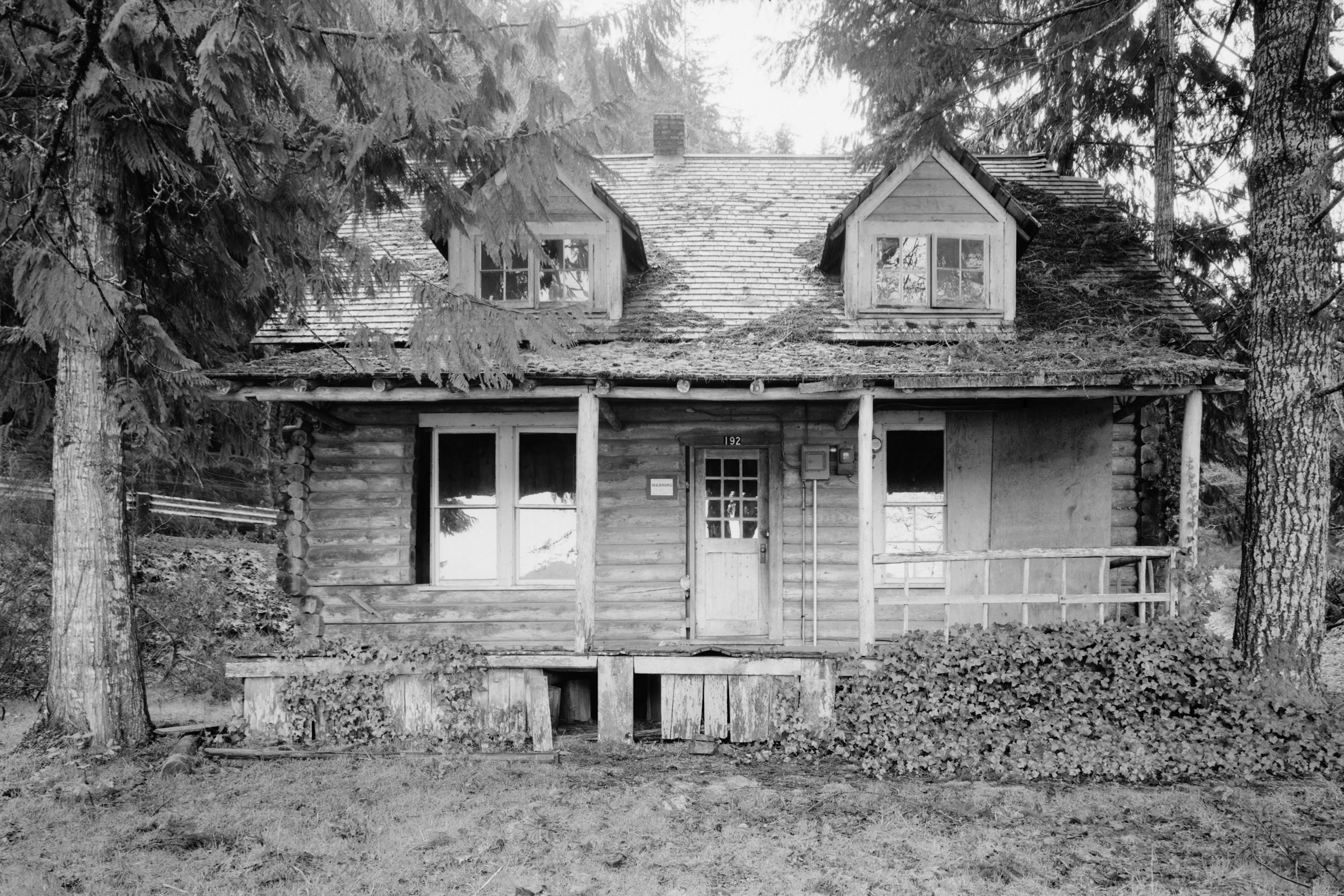
Other listed stations include the Elwha, Graves Creek and North Fork Quinault ranger stations. Some are still working buildings, so enjoy them from the outside unless a sign says otherwise.
Homesteads in the river valleys
Homesteads show how hard life was for the families who farmed these valleys. The Kestner Homestead in the Quinault valley keeps its farmhouse, barns and fences, and was listed on the National Register in 2007. A flat loop of about 1.3 miles starts at the Quinault Rain Forest Ranger Station, according to the park’s Kestner Homestead trailhead page.
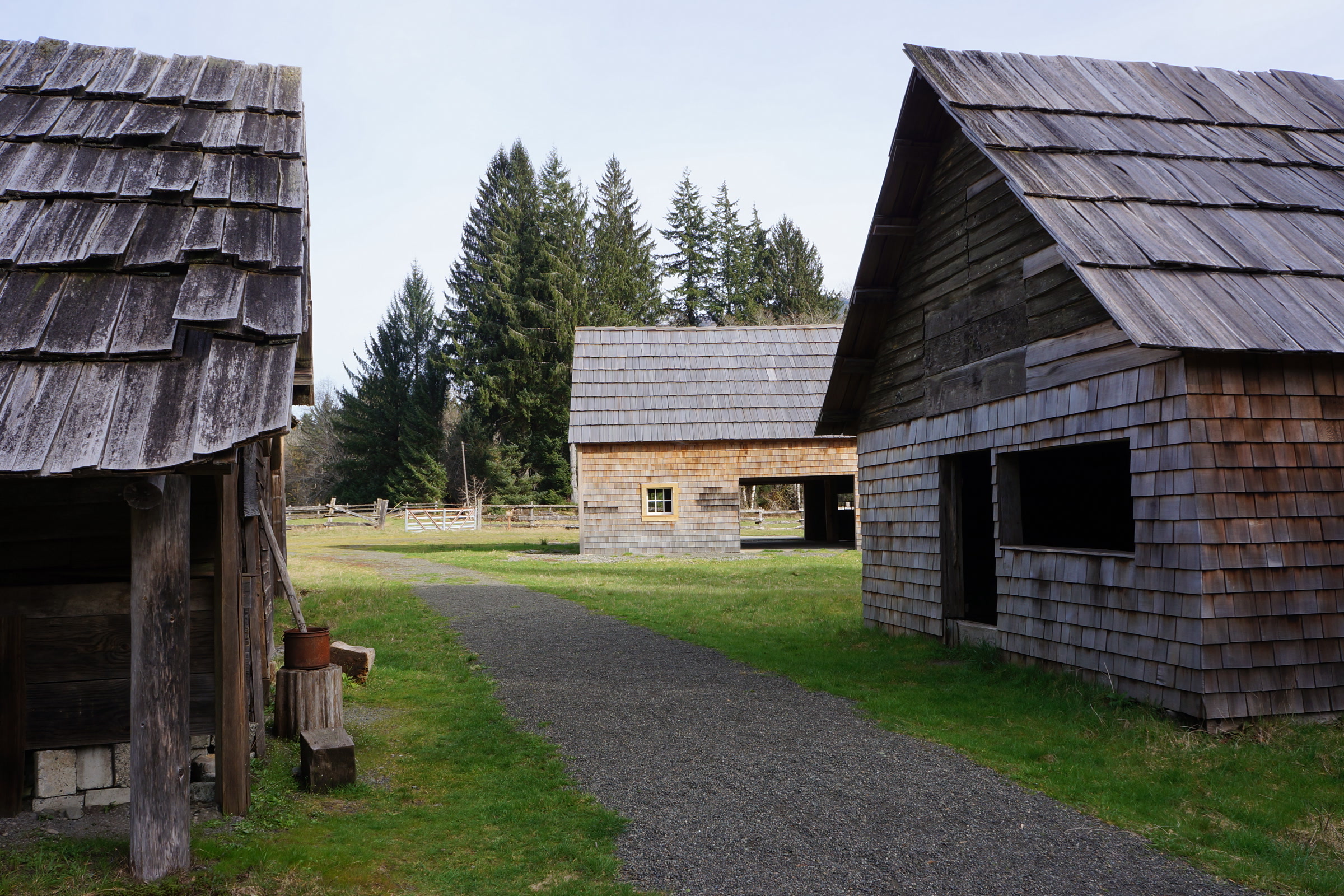
In the Elwha valley, the Humes Ranch Cabin recalls the Humes brothers, who trapped, guided and prospected along the river. It was listed in 1977. Reaching it means a hike, so check the park’s road and trail updates first.
Backcountry shelters, lookouts and the chalet
Rustic trail shelters once dotted the park’s wilderness. Preservation groups say only 18 of the original 90 shelters in the Olympic Wilderness remain. In 2018 a federal appeals court ruled that the park’s work to repair or rebuild several of them did not violate the Wilderness Act.
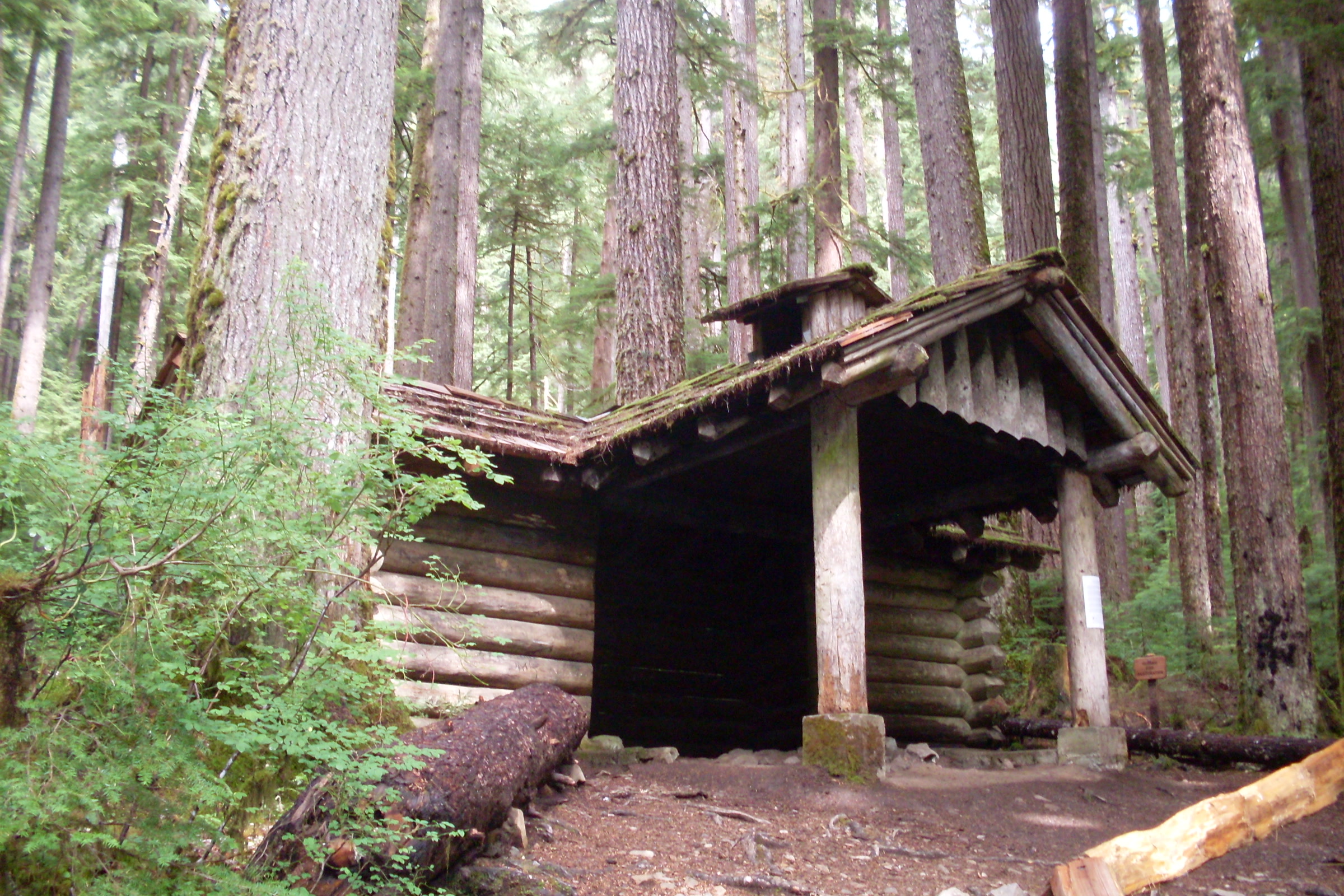
Canyon Creek Shelter near Sol Duc Falls is one of the easiest to see. Up high, the Pyramid Peak lookout was built during World War II to watch for enemy aircraft, and Dodger Point Fire Lookout is also on the Register.
The best-known backcountry building is the Enchanted Valley Chalet, built in the early 1930s about 13 miles up the Quinault River. In 2014 crews moved it away from the eroding riverbank. Read the full story of the Enchanted Valley Chalet move.
Historic structures compared: built, location and visiting
| Structure | Built | Where | Can you visit? |
|---|---|---|---|
| Lake Crescent Lodge | Opened 1915 | Barnes Point, Lake Crescent | Yes, seasonal lodge |
| Rosemary Inn | From 1914 | Barnes Point, Lake Crescent | Check nps.gov |
| Storm King Ranger Station | About 1905 | South shore, Lake Crescent | Summer, as staffing allows |
| Kestner Homestead | Homestead era | Quinault valley | Yes, 1.3-mile loop trail |
| Humes Ranch Cabin | Homestead era | Elwha valley | By trail, check access |
| Enchanted Valley Chalet | Early 1930s | East Fork Quinault | Outside only, 13-mile hike |
How to visit historic sites with care
- Check before you go. Hours, road access and closures change, so look at nps.gov/olym first.
- Look, don’t climb. Old porches, roofs and foundations are fragile.
- Leave every artifact. Rusted tools and old equipment are part of the story.
- Respect closed buildings. Some are shut for safety or in active use by rangers.
- Don’t add your mark. Carved names and paint harm historic wood, which is why we run graffiti removal in Olympic National Park.
How Friends of Olympic National Park helps
Our mission is to preserve the park’s natural, cultural and recreational resources for present and future generations. The historic buildings are part of that cultural story, and our members love learning about them.
At our Spring Membership Meeting on March 19, 2026, at the Olympic National Park Visitor Center in Port Angeles, keynote speaker Annie Matsov spoke on “Historical Structures at Olympic National Park.” Talks like hers are why we keep bringing park history to the community, including through our Winter Perspectives lecture series.
Watch our upcoming events in Port Angeles for the next talk or meeting, and read the history of Friends of Olympic National Park. Members get invitations to our annual events, so become a member of Friends of Olympic National Park to hear the next speaker first.
Frequently asked questions
What is the oldest building in Olympic National Park?
Storm King Ranger Station on Lake Crescent, built around 1905, is described by the Historic American Buildings Survey as the oldest log structure remaining within the park’s boundaries.
How many historic places in Olympic National Park are on the National Register?
More than 30 places in the park are listed on the National Register of Historic Places. Most were added together in 2007.
Is Lake Crescent Lodge historic?
Yes. It opened as Singer’s Tavern in 1915, hosted President Franklin D. Roosevelt in 1937 and was listed on the National Register in 2007 as Singer’s Lake Crescent Tavern.
Can you visit the Kestner Homestead?
Yes. A flat loop of about 1.3 miles starts at the Quinault Rain Forest Ranger Station and passes the homestead’s farmhouse, barns and fences.
Can you go inside the Enchanted Valley Chalet?
No. The chalet is closed to public use. Hikers can see it from outside after about 13 miles on the trail from Graves Creek.
Leave a Reply