Category: News

Updates and impact from Friends of Olympic National Park.

  • Beach Cleanups in Olympic National Park

    Beach Cleanups in Olympic National Park

    Our Projects · Volunteer · Coast

    An Olympic National Park beach cleanup is one of the simplest and most satisfying ways to give back to the park. Each spring, Friends of Olympic National Park invites volunteers to join the park’s part of the Washington Coast Cleanup on the beaches around Kalaloch. Closer to Port Angeles, we also tidy the grounds and gardens of the main Visitor Center. No experience is needed, just a willingness to walk, bend and carry.

    Beach & Visitor Center Cleanups is one of the seven projects that FONP volunteers support. This page explains how the cleanups work, how to sign up, and what to expect on the day.
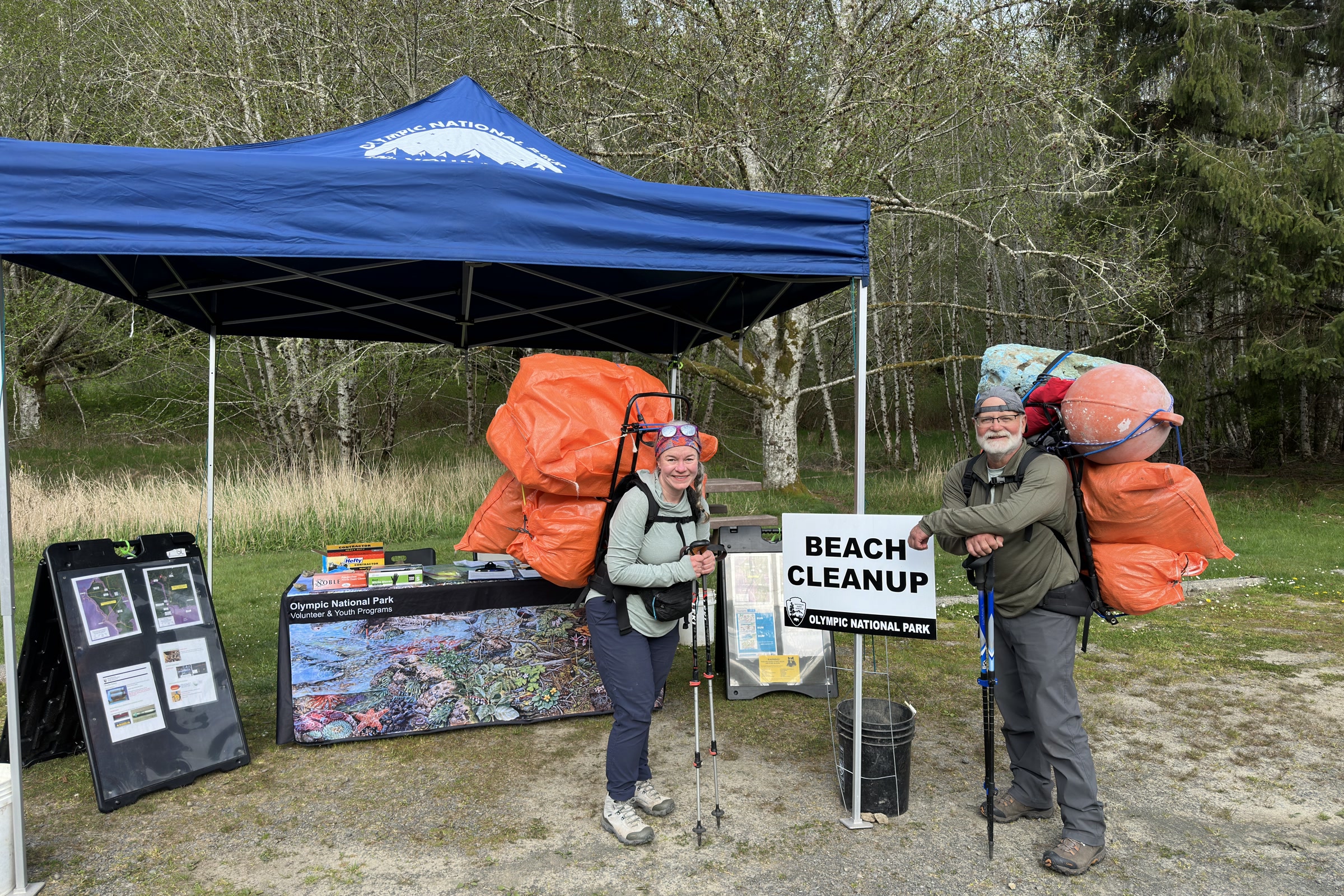
    Two coastal cleanup volunteers with backpacks loaded with orange debris bags and a buoy beside an Olympic National Park beach cleanup sign
    Volunteers at the park’s April 2024 coastal cleanup at Ozette. NPS Photo / Ian Shriner

    What we do

    Olympic National Park protects more than 70 miles of wild Pacific coastline. Wind, currents and storms carry trash onto those beaches all year, and much of it lands far from any road. Motor vehicles are not allowed on park beaches, so every bag, float and tire has to leave on foot.

    That is where volunteers come in. On cleanup day, small groups walk the beach, gather debris into bags and carry the load back to the trailhead. Our role as a friends group is to spread the word, bring new hands, and show up alongside park staff and other volunteers.

    Marine debris on the Olympic Peninsula

    A marine debris cleanup on the Olympic Peninsula turns up a mix of everyday litter and things the ocean has carried a long way. Common finds include:

    • plastic bottles, caps and food wrappers
    • rope, line and pieces of fishing net
    • foam floats and hard plastic buoys
    • broken plastic fragments tangled in the drift logs

    Single-use plastics and marine debris are the main threats the park names for its coast. Every piece we carry out is one less piece for seabirds, seals and tidepool life to meet.
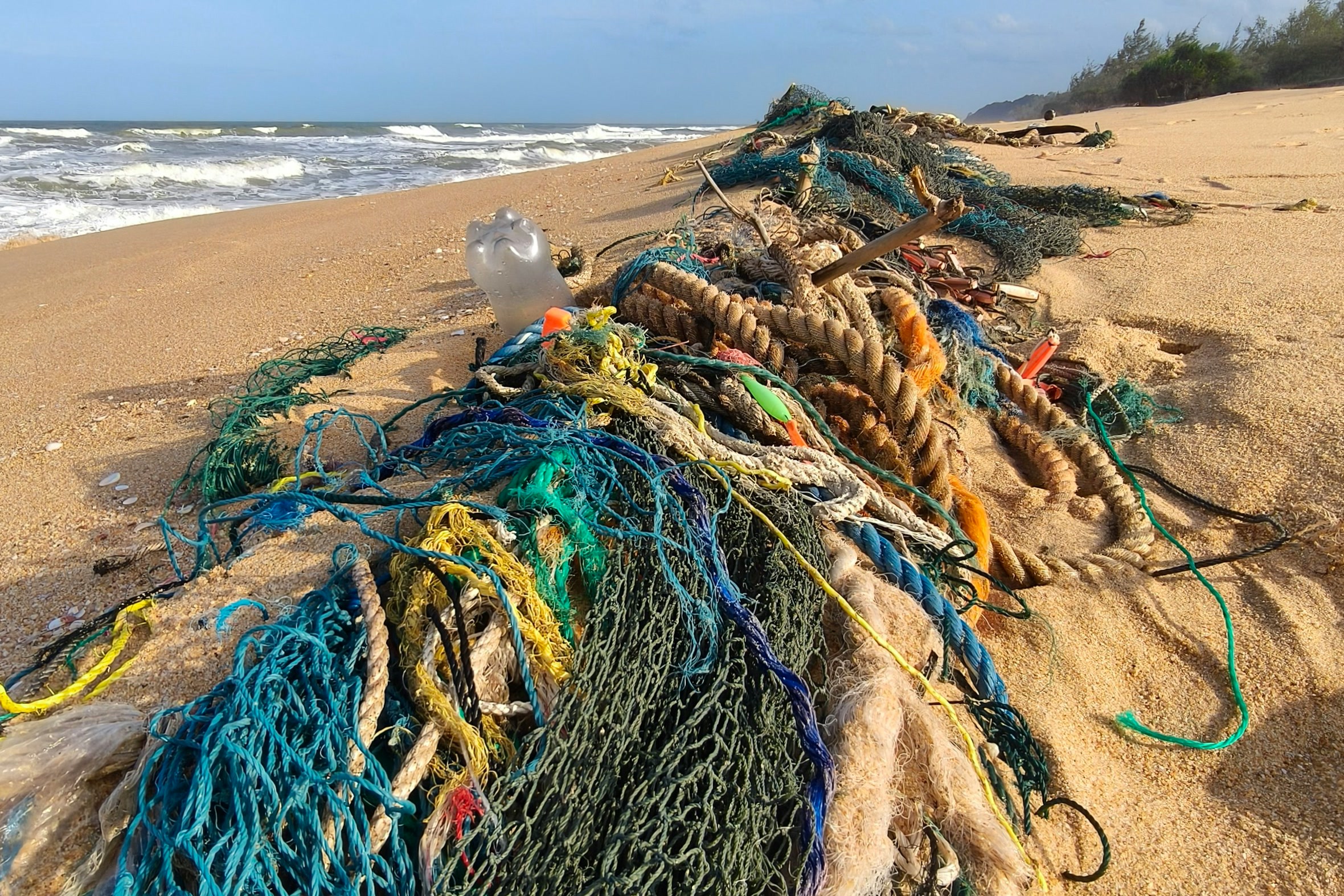
    Tangled lost fishing nets, rope and a plastic bottle washed up along a sandy ocean beach
    Lost nets and rope are typical marine debris on ocean beaches. Photo: Anne Nygård / Unsplash

    When and where the cleanups happen

    The big coastal event is the Washington Coast Cleanup, held each April on the Saturday closest to Earth Day. A second statewide effort, the International Coastal Cleanup, takes place in September. Olympic National Park has taken part in both in recent years, choosing different park beaches each time.

    Our most recent coastal day was the Spring Coastal Cleanup in the Kalaloch area on Saturday, April 25, 2026, from noon to 3:30 PM. It celebrated National Volunteer Month, and volunteers worked one of three beaches: Beach 4, Beach 3 or Kalaloch itself. Dates for the next season appear on our upcoming events calendar as soon as they are set.
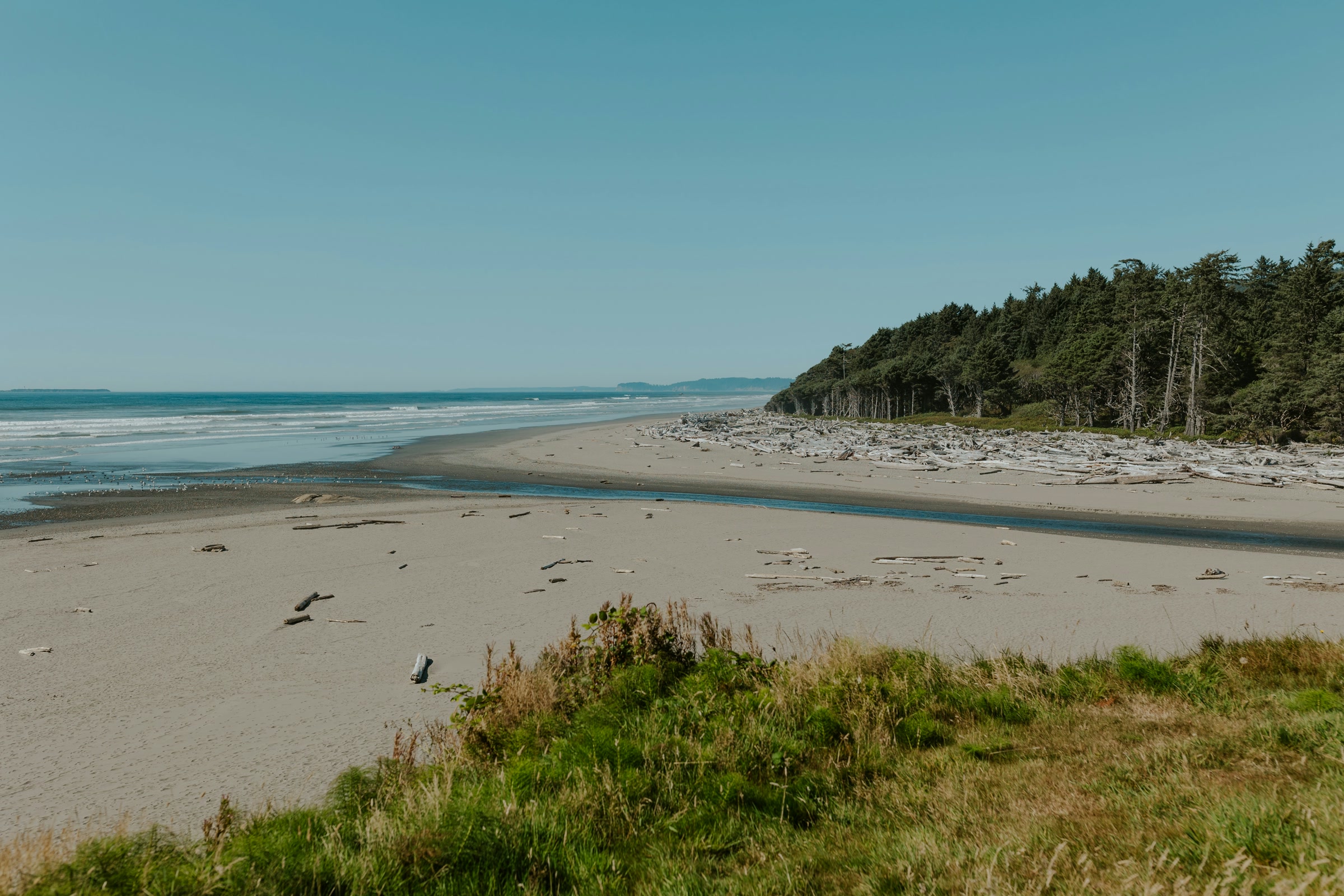
    Wide sandy Kalaloch Beach with a creek channel, drift logs and a line of coastal spruce under a clear sky
    Kalaloch Beach, Olympic National Park. Photo: Brianna Parks / Unsplash

    Kalaloch-area beaches compared

    BeachCleanup historyGood to know
    Kalaloch2025 park cleanup and our 2026 spring dayRight off Highway 101, next to a year-round campground
    Beach 42026 spring cleanup siteOne of the park’s best tidepool spots at low tide
    Beach 32026 spring cleanup siteListed with Beach 4 and Kalaloch for that day
    Ruby BeachA target beach in the park’s 2023 cleanupsSea stacks, cobbles and heavy drift logs

    If you are searching for a Ruby Beach cleanup volunteer day, check each season’s listing. The park picks its target beaches year by year, so a beach worked one spring may not be on the list the next.
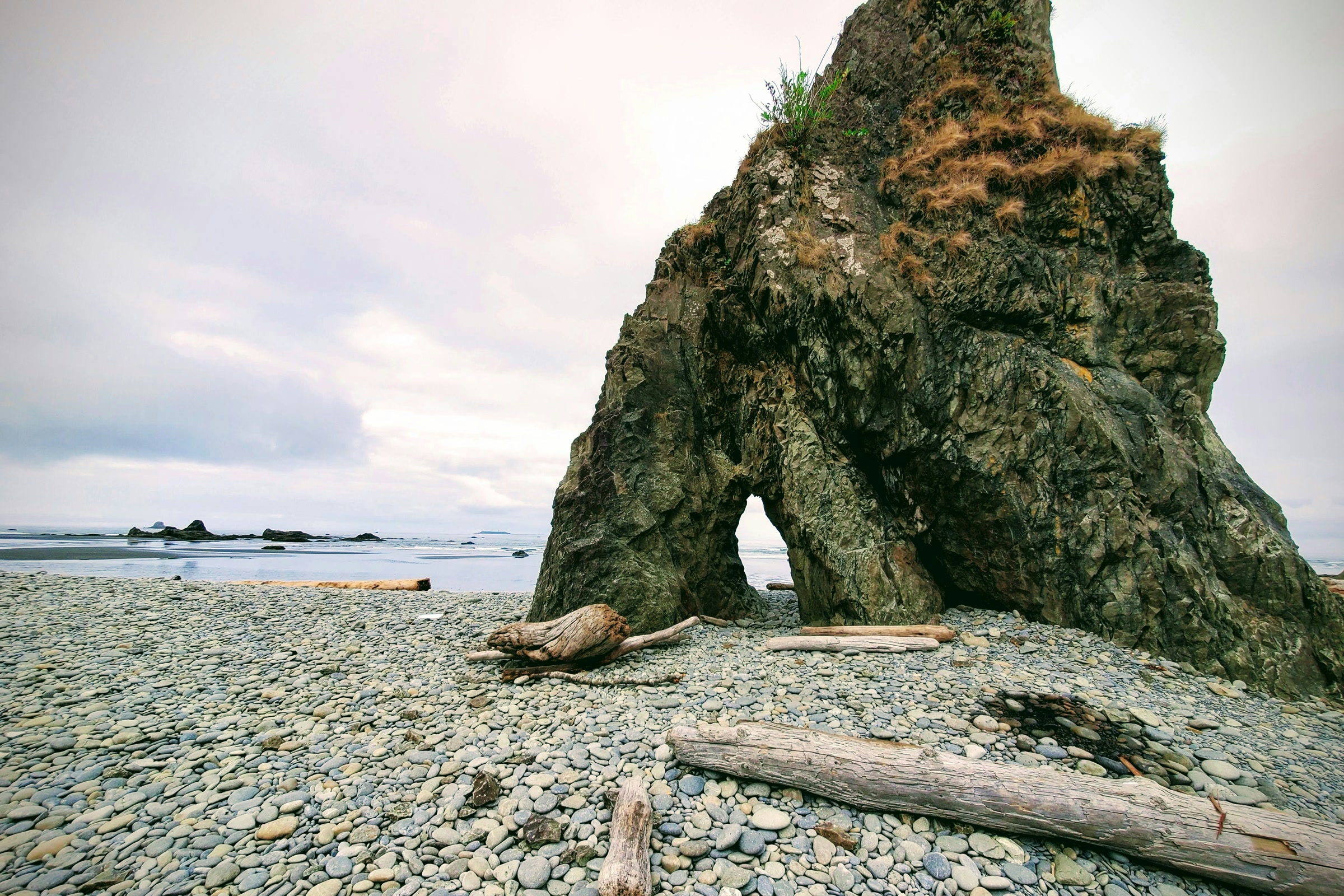
    Arched sea stack rising from the cobble beach at Ruby Beach, with drift logs in the foreground
    Ruby Beach, Olympic National Park. Photo: Kedar Gadge / Unsplash

    How to sign up for a coastal cleanup

    Two registration systems serve the Washington coast, and that trips up a lot of first-timers. Here is the short version.

    Park beaches vs. other Washington beaches

    Where you want to helpWhere to register
    Beaches inside Olympic National ParkVolunteer.gov, using the park’s listing for that beach
    Other Pacific and Strait beachesWashington CoastSavers
    Visitor Center and garden daysVolunteer.gov, linked from our events page
    1. Watch our events page or the Washington CoastSavers cleanup calendar. Registration usually opens about a month ahead.
    2. Create a free account on Volunteer.gov and apply for the park beach you want.
    3. Register early. Walk-up sign-ups may be possible, but the park has said they are not guaranteed.
    4. Read the confirmation for meeting times, the check-in table and any hiking distance.

    What to expect on cleanup day

    Expect to walk. Some beaches are a short stroll from the parking area, while others, like those near Mora, need a hike of several miles. You will carry what you collect back out, so pace yourself and share heavy loads.
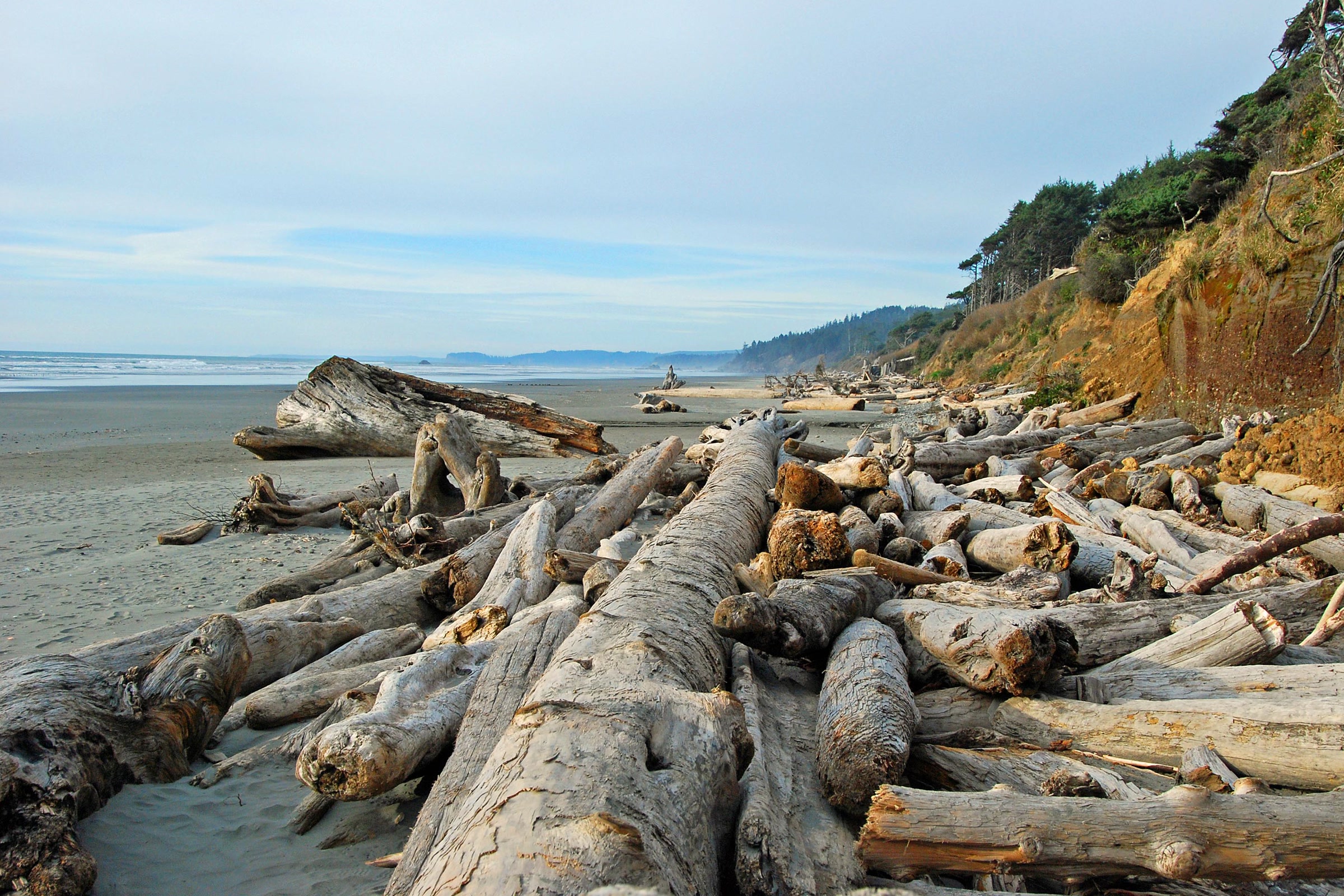
    Bleached drift logs piled below an eroding bluff on Kalaloch Beach in Olympic National Park
    Drift logs on Kalaloch Beach. NPS Photo / Danielle Archuleta

    What to bring

    • sturdy shoes or boots you don’t mind getting wet
    • rain gear and warm layers, since coastal weather turns fast
    • work gloves, water and a snack
    • a backpack with a frame if you plan to haul floats or bulky items

    Stay safe and leave the life behind

    Check the tides before you set out. Some stretches of the coast become impassable at high tide, and the park keeps tide charts at the Kalaloch Information Station. Stay off drift logs near the surf, because waves can roll them without warning.

    Take only trash. Shells, driftwood, rocks and anything living stay where they are, especially around the tidepools at Beach 4.
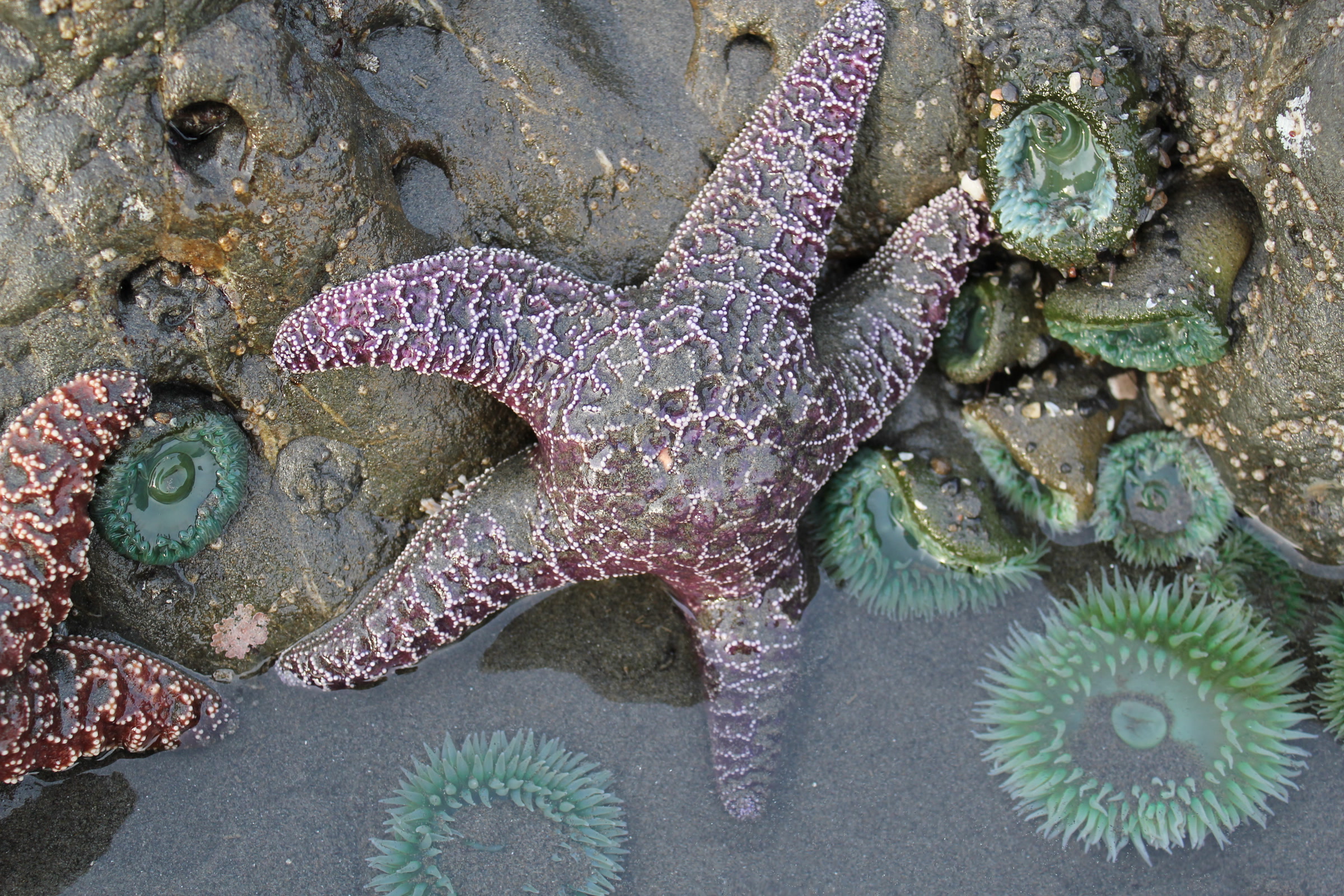
    Purple ochre sea stars and green sea anemones in a Ruby Beach tidepool, Olympic National Park
    Ochre stars and anemones in a Ruby Beach tidepool. NPS Photo / Danielle Archuleta

    Is there free camping for cleanup volunteers?

    Sometimes. In past years the park has offered free camping to registered cleanup volunteers, but the details change from year to year. In 2025 it covered frontcountry sites at Kalaloch Campground for pre-registered volunteers, while earlier years also included Mora and Ozette.

    The offer is the park’s, not ours, so look for it in that year’s Volunteer.gov listing. Kalaloch Campground fills quickly, so plan ahead either way.

    Closer to home: Visitor Center cleanups

    Not everyone can make the drive to the coast, so the second half of this project happens in Port Angeles. At the Visitor Center cleanup and pollinator garden day on May 2, 2026, volunteers met at the main Visitor Center parking lot, looked for the FONP banner, and split into teams.

    At our fall cleanup volunteer event in September 2025, we weeded, deadheaded and mulched around the entrance sign and Visitor Center. Hand tools and water were provided; volunteers brought gloves, sunscreen and a hat.
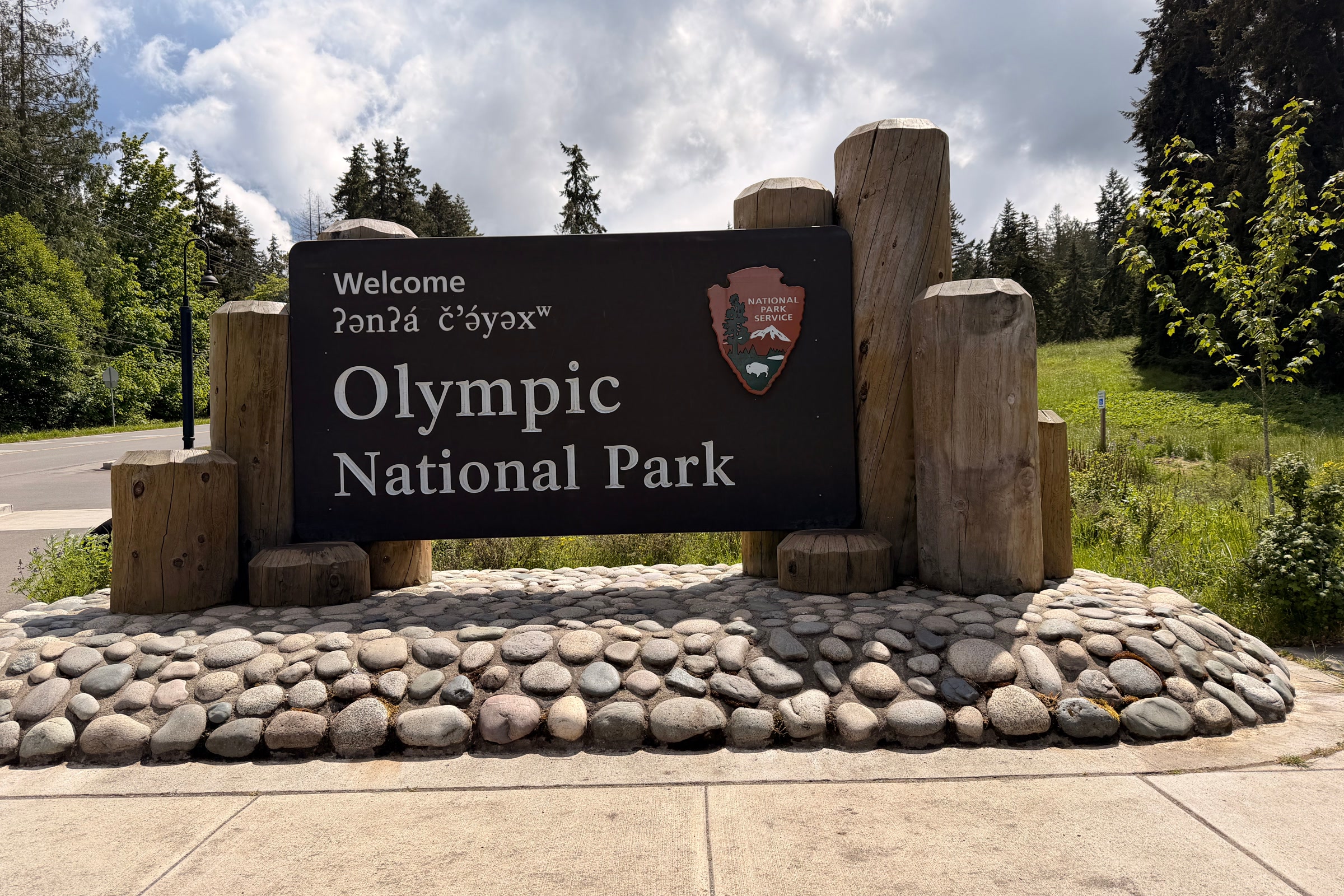
    Olympic National Park welcome sign with a Klallam greeting, framed by cedar posts on a river-cobble base with grass and young trees behind
    Olympic National Park welcome sign. Photo: Kanishk Gabel / Pexels

    These half-day sessions suit families, newcomers and anyone who prefers a garden trowel to a long beach walk. If you would rather work on a trail, our Heart O’ the Forest adopt-a-trail crew is another way in.

    Frequently asked questions

    When is the Olympic National Park beach cleanup?

    The main coastal cleanup is part of the Washington Coast Cleanup, held each April on the Saturday closest to Earth Day. A fall International Coastal Cleanup takes place in September. Check our events page for the next date.

    Do I need experience to join a beach cleanup?

    No. Anyone who can walk on sand and carry a bag can help. Check-in tables at the trailhead help you get started.

    How do I register for a cleanup on park beaches?

    Park beaches are registered through Volunteer.gov. Beaches outside the park are registered through Washington CoastSavers. Sign up early, because walk-up spots are not guaranteed.

    Do cleanup volunteers get free camping at Kalaloch?

    The park has offered free camping to pre-registered volunteers in past years, but the offer changes each year. Look for it in that year’s Volunteer.gov listing.

    Can I volunteer if I can’t get to the coast?

    Yes. We also hold Visitor Center and garden cleanups in Port Angeles, which are shorter and close to town.

    Lend a hand on the coast

    Every cleanup runs on people who give a few hours. See all our volunteer opportunities at Olympic National Park, browse our projects, or become a member to hear about the next coastal day first. Questions? Write to our volunteer team.
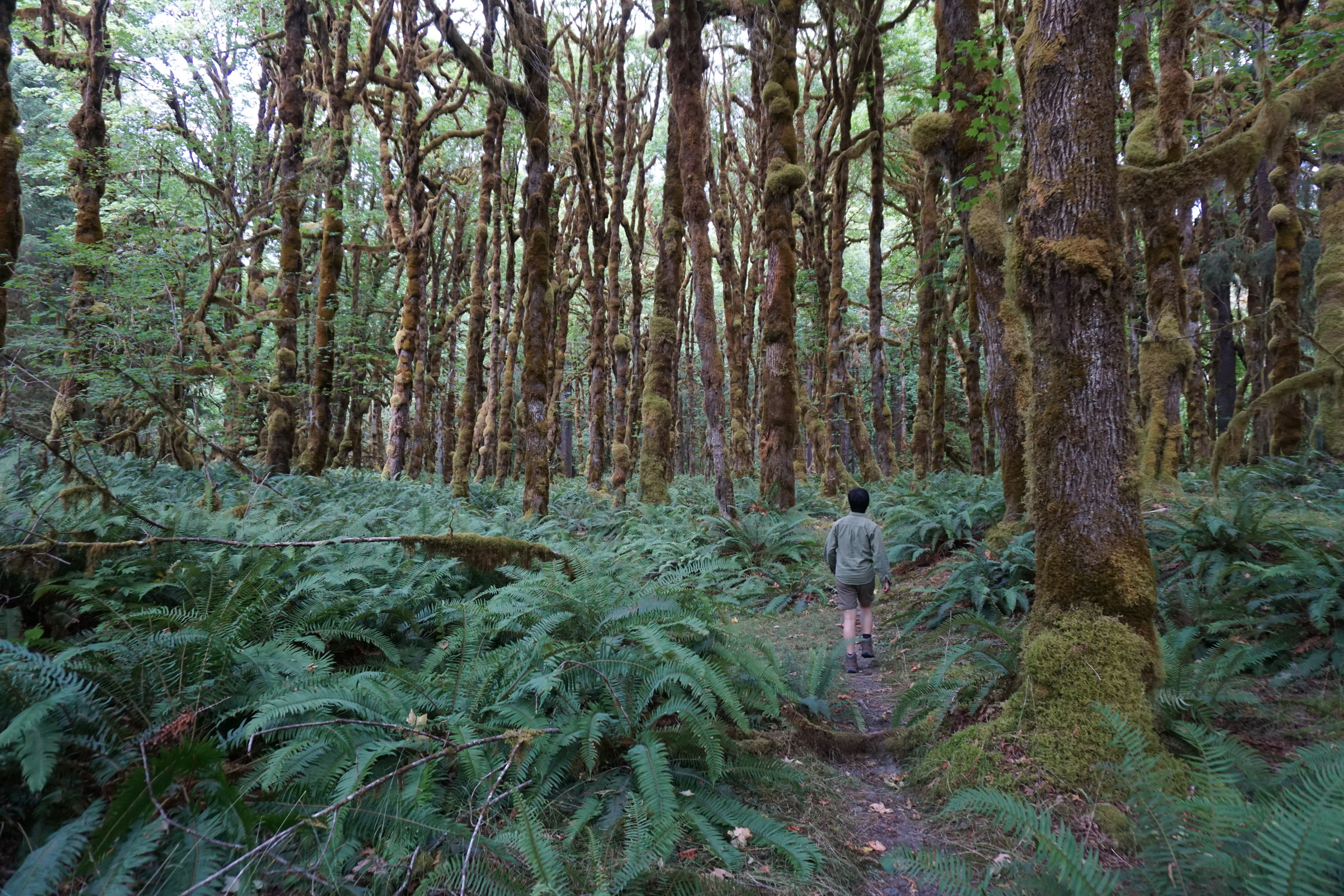
  • Adopt-a-Trail in Olympic National Park: Heart O’ the Forest

    Adopt-a-Trail in Olympic National Park: Heart O’ the Forest

    Our Projects · Volunteer · Trails

    Friends of Olympic National Park is the adopt-a-trail crew for the Heart O’ the Forest Trail, a quiet path through old forest that starts in Heart O’ the Hills Campground, just up the road from Port Angeles. If you have looked for a way to adopt a trail in Olympic National Park, this is ours. Our volunteers give the trail regular care, help keep it pleasant for everyone who walks it, and share what we see.

    Adopt-a-Trail: Heart O’ the Forest Trail is one of the seven projects FONP supports. Here is what the crew does, what you should know about the trail, and how to lend a hand.

    What our adopt-a-trail crew does

    Adopting a trail means looking after the same stretch of path season after season. In the park’s Adopt-a-Trail model, volunteers handle steady, hands-on upkeep and report trail conditions to the park’s trail crew, who take on the larger jobs. The aim is simple: catch small problems before they become big ones.

    The National Park Service describes typical volunteer trail tasks like these:

    • picking up litter on the trail and at the trailhead
    • cleaning out water bars, steps and drainage so rain runs off instead of down the tread
    • trimming back overgrown brush and unsafe limbs
    • keeping an eye on signs and reporting vandalism, washouts or downed trees

    Volunteers in the park’s program are trained in basic trail maintenance, trail etiquette and the safe use of hand tools. Nobody is expected to arrive knowing how to clear a drain.

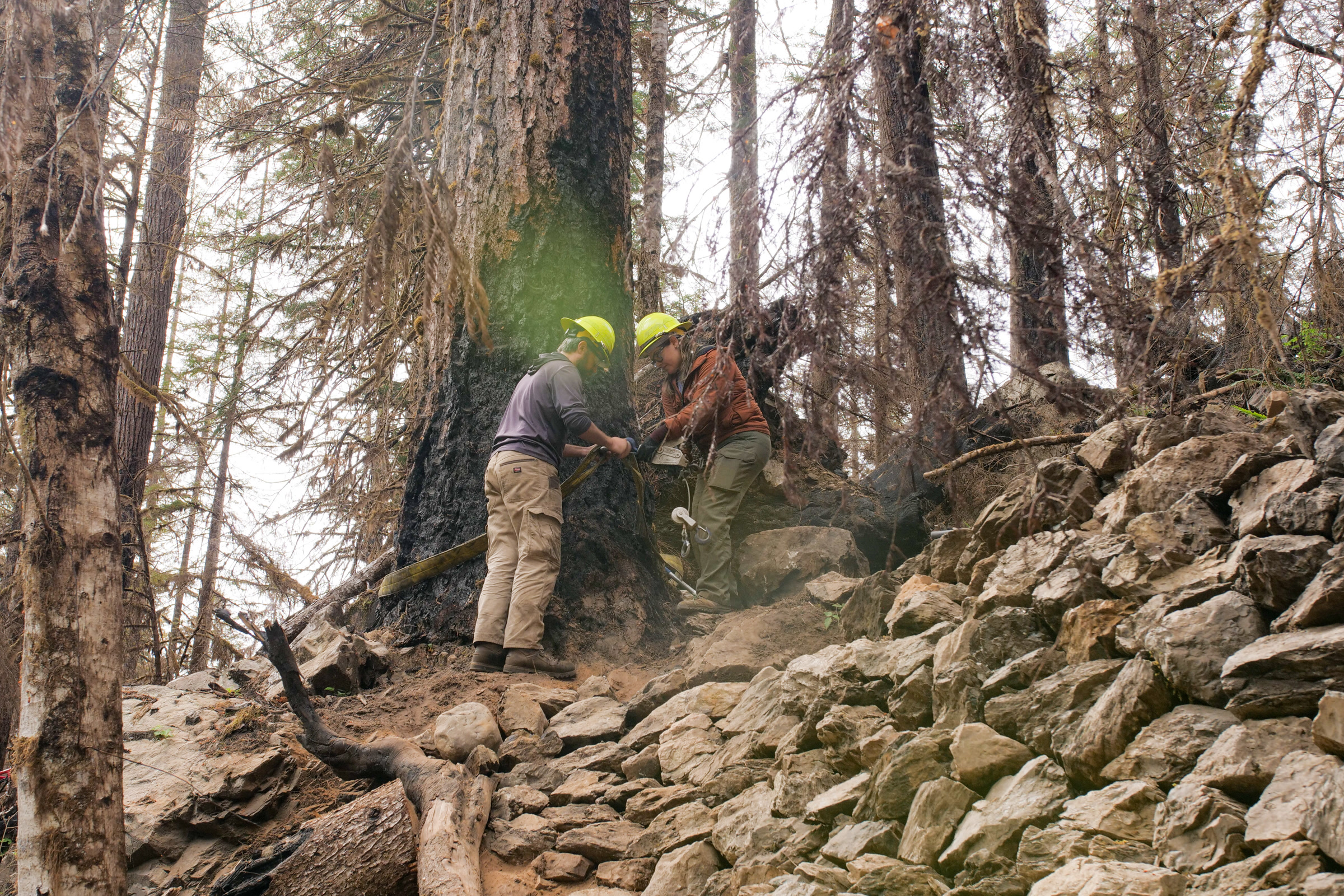
    Two NPS trail crew members working a crosscut saw beside a fire-scarred tree above a stone trail wall on the Staircase Rapids Loop
    The park’s own trail crew at work on the Staircase Rapids Loop, July 2026. NPS Photo / E. Goode

    Funded by an Extreme Terrain Clean Trail grant

    On February 20, 2025, FONP was awarded a $250 Clean Trail Program Grant from Extreme Terrain. The funds go to trail maintenance, as needed and directed by the trail crews actively working in the park, and our board decides how best to use them.

    Read the full announcement on our Extreme Terrain clean trail grant page, or see every award on our grants page.

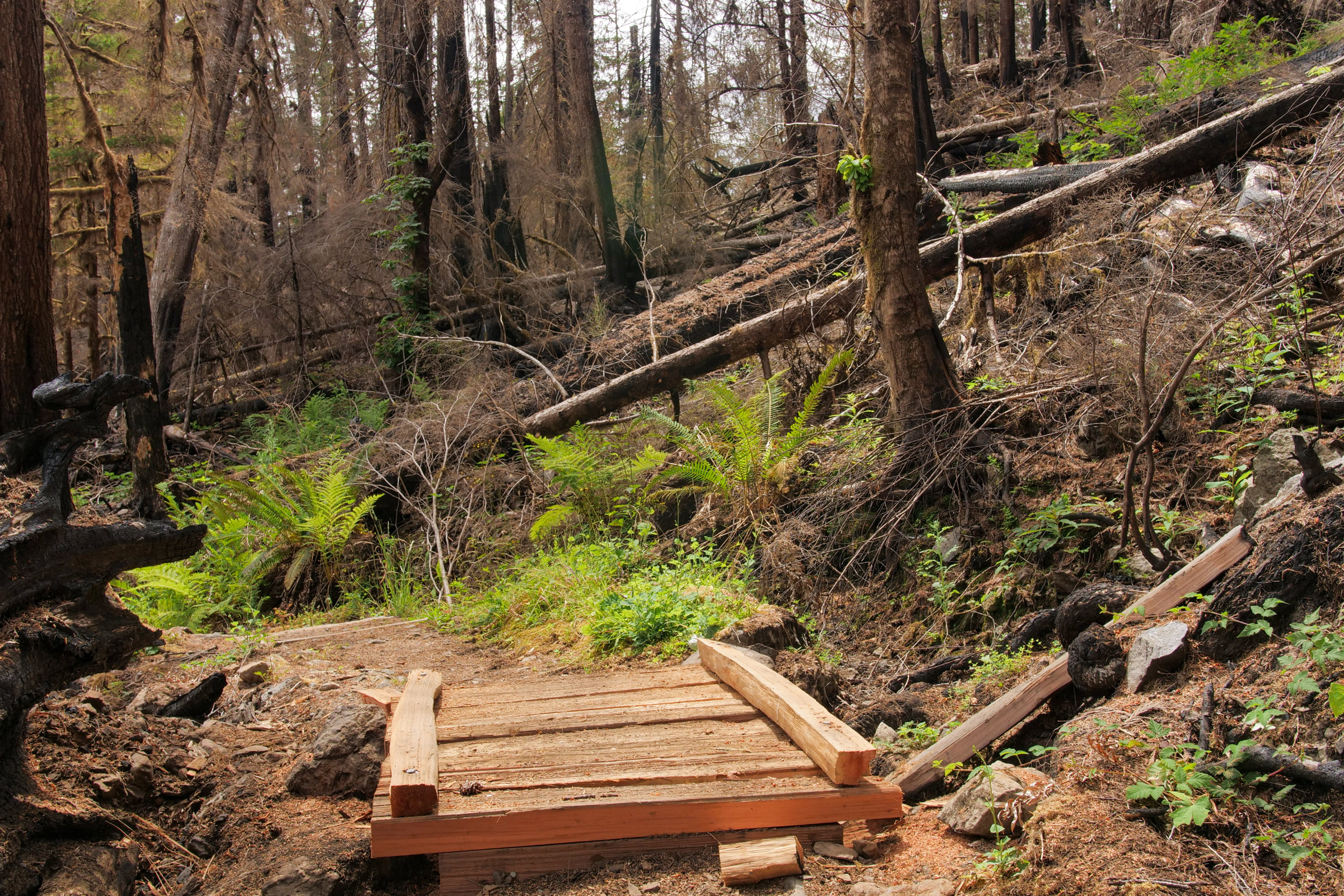
    A newly built cedar footbridge carries the Staircase Rapids Loop Trail over a gully among green ferns and fire-scorched logs, July 2026
    NPS Photo / E. Goode

    About the Heart O’ the Forest Trail

    The Heart O’ the Forest Trail is a gentle walk through big trees on the lower slopes below Hurricane Ridge. The park calls it a lovely, level trek through the forest. Damp ground means many stretches of tread ride on puncheon (raised wooden walkways) and turnpikes (raised beds of earth edged with logs).

    The first stretch is wide and easy, which makes it a good choice for families and for anyone who wants forest quiet without a big climb. The final mile drops toward a creek valley, where the maintained trail ends; turn around there.

    Heart O’ the Forest Trail at a glance

    DetailWhat to know
    StartLoop E, Heart O’ the Hills Campground
    Length2.3 miles one way (park figure); about 4.8 miles round trip
    ElevationAbout 500 feet, mostly in the last mile
    SurfaceForest tread with puncheon, turnpikes and a small bridge
    DogsNot allowed
    PassPark entrance pass required
    Hiking trail with timber steps climbing through mossy old-growth forest on the Olympic Peninsula
    Timber steps like these need their drainage cleared to last. Photo: Daniel Forster / Unsplash

    Getting there from Heart O’ the Hills Campground

    From Port Angeles, follow Race Street south to Hurricane Ridge Road and continue up the road past the park Visitor Center to the Heart O’ the Hills camping area, about five miles from Port Angeles. The Heart O’ the Hills campground trail begins at Loop E. There is no trailhead parking, so day hikers should use the larger lot just south of the trailhead.

    Cell service and app directions can be unreliable here, so save a copy of the route before you leave town. The Washington Trails Association guide to the Heart O’ the Forest hike has detailed directions and recent trip reports.

    Narrow dirt trail winding past mossy fallen logs through sunlit conifer forest in Olympic National Park above Port Angeles
    Forest trail in the park above Port Angeles. Photo: Reed Geiger / Unsplash

    Heart O’ the Forest Trail conditions

    Hikers often ask us what the trail is like right now. Our plan is to answer from the ground: after each work day, the crew will post a short, dated update in this section, covering things like downed trees, drainage, muddy spots and anything reported to the park.

    Our notes describe the day we were there, and conditions in a lowland forest can change after a single winter storm. For current official information on closures, roads and campgrounds, always check the park’s Olympic National Park alerts and conditions page before you go.

    What each update will include

    • the date of the work day
    • how far along the trail the crew worked
    • what we cleared or fixed, and what we reported for the park’s trail crew
    • anything hikers should watch for, such as slick puncheon or standing water
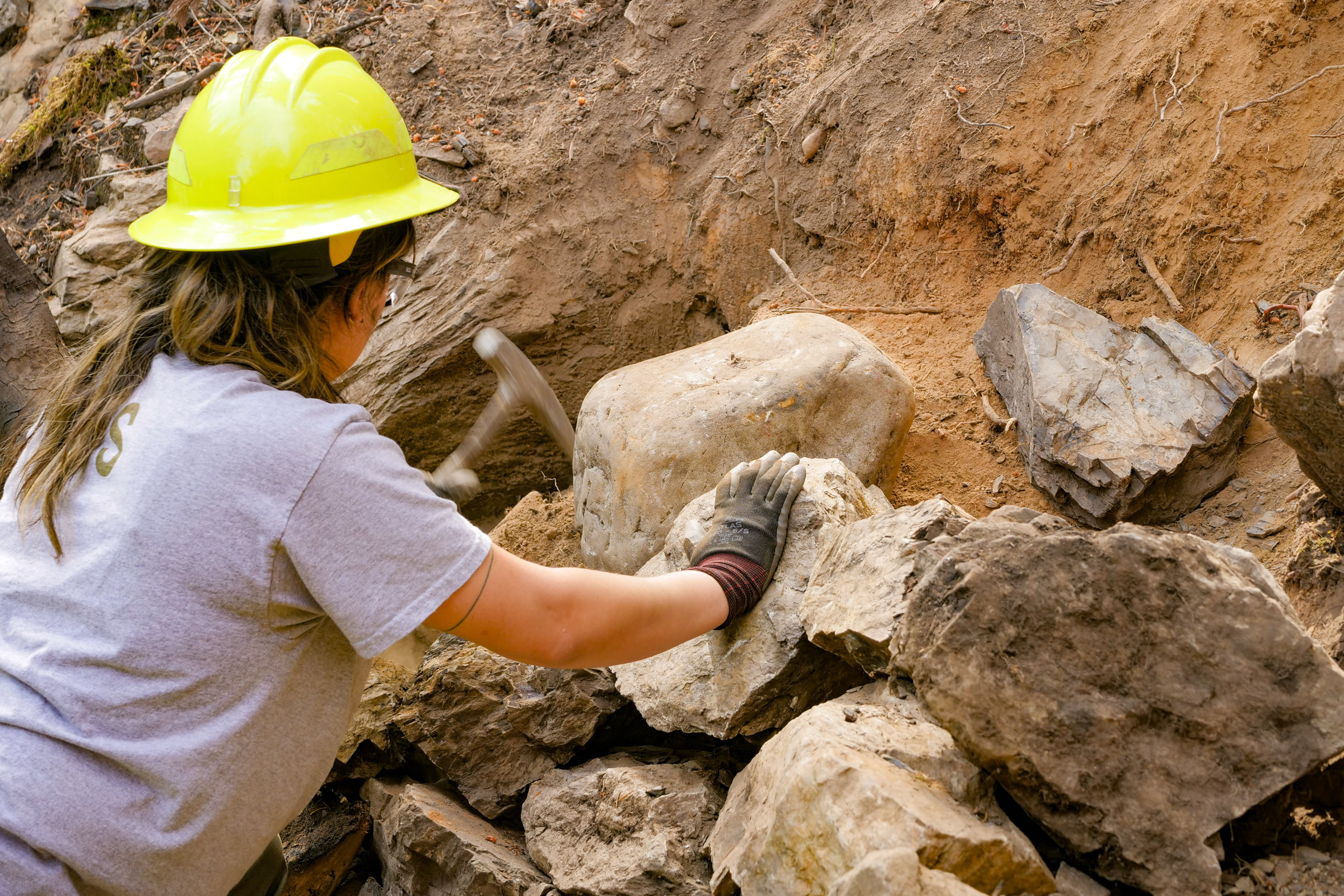
    A gloved NPS trail crew member in a yellow hard hat setting stones in a rock wall to stabilize a trail
    Heavy rock work by the park’s own trail crew at Staircase. NPS Photo / E. Goode

    How to volunteer for trail maintenance

    Trail maintenance volunteers in Olympic National Park register through Volunteer.gov, and our crew is no different. The easiest way in is to let us know you are interested.

    1. Check our upcoming events for a listed work day.
    2. Contact Friends of Olympic National Park and tell us you would like to join the trail crew.
    3. Register for the work day on Volunteer.gov when we send the listing.
    4. Bring boots, rain gear, gloves, water and lunch, and come ready to learn.
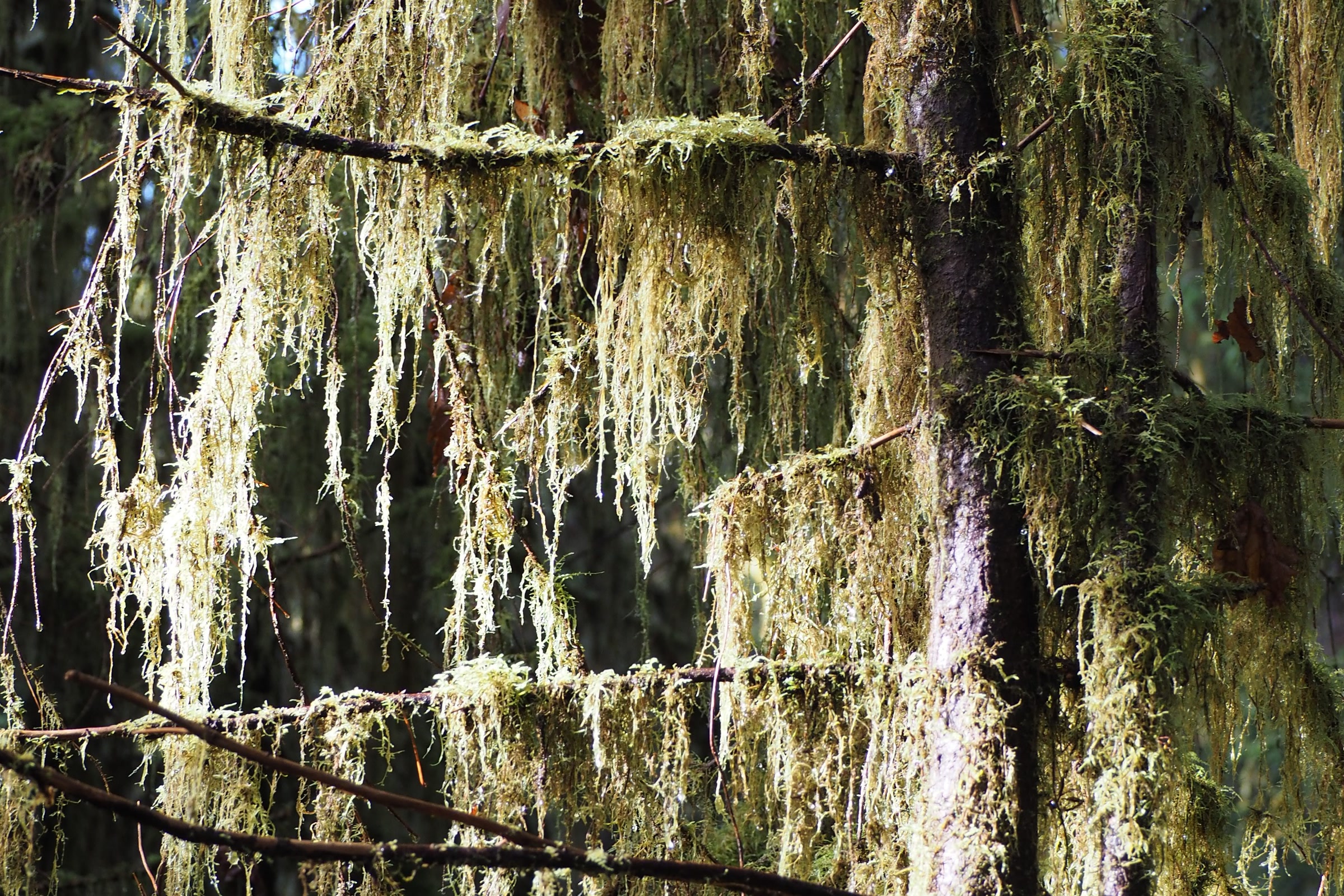
    Moss and lichen hanging from the branches of an old-growth conifer in Olympic National Park's Hoh Rain Forest
    Old-growth forest in the Hoh Rain Forest, Olympic National Park. NPS Photo / M. Juran

    Adopt-a-trail options near Port Angeles compared

    Search for “adopt a trail” around here and you will find three different programs. They are easy to mix up.

    ProgramWho it’s forWhere
    FONP adopt-a-trail crewAdults and families who want to help with a friends groupHeart O’ the Forest Trail
    NPS Adopt-A-Trail Youth CrewHigh school groups, at least 3 work days a yearTrails across the park
    Olympic Discovery Trail adopt-a-sectionRun by the Peninsula Trails CoalitionOutside the park

    Not ready for tools? Our beach cleanups in Olympic National Park and Visitor Center garden days are good first steps.

    Frequently asked questions

    How long is the Heart O’ the Forest Trail?

    The park lists it as 2.3 miles one way. Most hikers walk out and back, about 4.8 miles round trip, with most of the roughly 500 feet of elevation change in the last mile.

    Where does the Heart O’ the Forest Trail start?

    It starts at Loop E of Heart O’ the Hills Campground on Hurricane Ridge Road, south of Port Angeles. There is no trailhead parking, so day hikers use the larger lot just south of the trailhead.

    Are dogs allowed on the Heart O’ the Forest Trail?

    No. Pets are not allowed on this trail.

    How can I adopt a trail in Olympic National Park?

    You can join our adopt-a-trail crew on the Heart O’ the Forest Trail. Contact us to say you are interested, then register for work days on Volunteer.gov. High school groups can also apply to the park’s own Adopt-A-Trail Youth Crew.

    Do I need trail maintenance experience?

    No. The park’s Adopt-a-Trail program trains volunteers in basic trail maintenance and the safe use of hand tools. Bring boots, gloves, rain gear and water.

    Help care for the Heart O’ the Forest

    A trail stays open because people keep showing up for it. Explore more volunteer opportunities at Olympic National Park, read about Friends of Olympic National Park, or make a gift toward trail tools and supplies. You can also see all of our projects.

  • Olympic National Park Lecture Series: Winter Perspectives

    Olympic National Park Lecture Series: Winter Perspectives

    Our Projects · Educate · Winter

    When the high country is buried in snow, the park comes to town. The Olympic National Park lecture series known as Perspectives brings scientists, rangers and storytellers to Port Angeles for free evening talks through the dark months. Supporting it is our Winter Perspectives Series, one of the seven projects Friends of Olympic National Park takes on each year.

    This page explains what the series is, what the talks cover, and how to catch the next one. You don’t need to be a member or an expert. If you are curious about the park, you belong in the room.

    Audience seen from behind in a darkened room, watching a speaker in front of a bright projection screen
    An evening talk, shown for illustration only. Photo: Kevin Gonzalez / Unsplash

    What the Winter Perspectives series is

    Perspectives is Olympic National Park’s winter speaker series. Each talk takes one subject, from wildlife research to park history, and gives it a full evening. The park’s announcement of the 2019-20 season lists the sponsors as the park, the North Olympic Library System and Friends of Olympic National Park. More recent seasons also name Discover Your Northwest.

    Our part is to support the series and spread the word. The park and the library plan the programme and line up the speakers. We are a local friends group, so we never speak for the park. We do help make sure our neighbours know these evenings exist.

    Why the talks happen in winter

    Winter is the quiet season in Olympic National Park. Snow closes much of the high country, and rain soaks the valleys and the coast. It is a good time to sit down with the people who study and care for the place and hear what they learned in the field.

    For many of us, the talks are also a reason to plan next summer’s trips. An hour on glaciers or bats sends people back to the trailheads with new eyes once the snow melts.

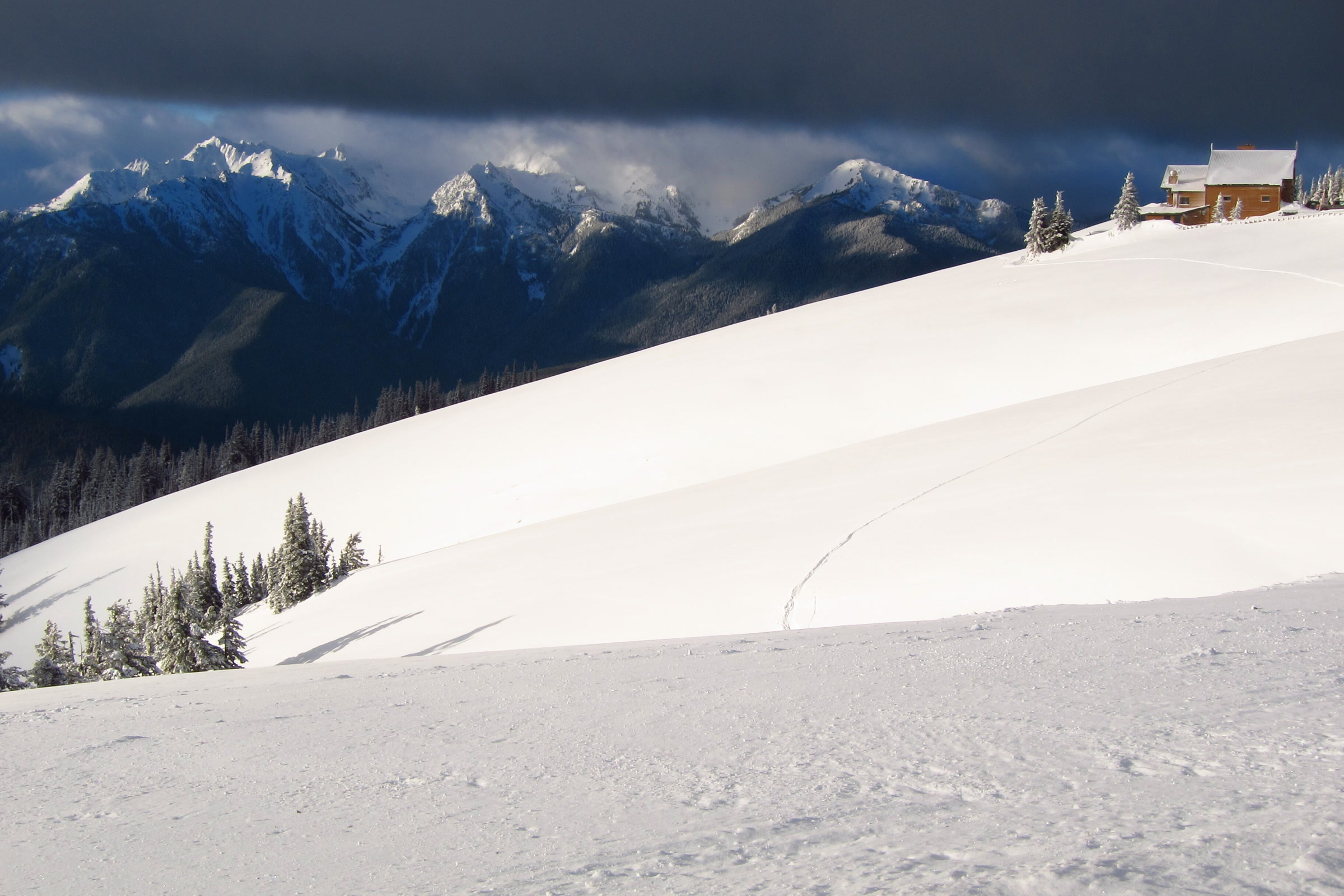
    Hurricane Ridge Visitor Center on a deep snowfield below snow-covered Olympic peaks and dark winter clouds
    Hurricane Ridge in January. NPS Photo / D. Turner

    What the talks cover

    Topics change every season, and that is part of the fun. Past programmes announced by the park and the library have included:

    • wildlife research on sea otters, Pacific martens, bats, deer and cougars
    • wolves, elk and the way predators shape the park’s rivers
    • glaciers, winter ice on mountain lakes and erosion of the coastal bluffs at Kalaloch
    • night skies and light pollution
    • park history, including the story of skiing in the Olympics
    • rare plants, kelp forests and the salmon that depend on them

    Speakers have included park biologists, tribal and state wildlife scientists, university researchers, guidebook authors and long-serving park interpreters. Many talks end with time for questions, so bring yours.

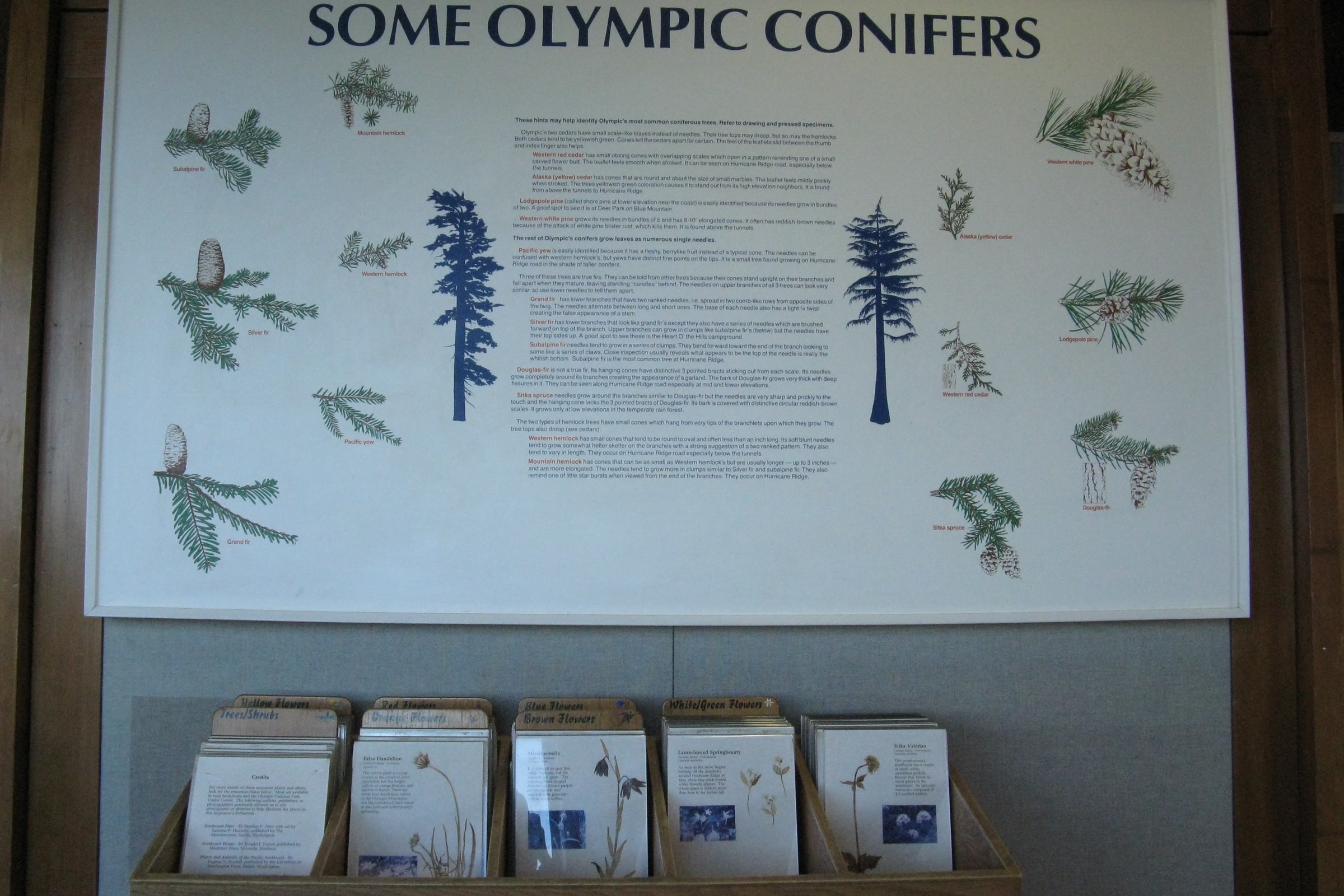
    Interpretive panel titled Some Olympic Conifers with drawings of cones and branches, above a rack of plant guides
    A conifer exhibit at the Hurricane Ridge Visitor Center. NPS Photo

    Past Perspectives seasons compared

    SeasonFormatSample topics
    2018-19Monthly, November to April, at the Port Angeles Main LibrarySea otters, Pacific martens, deer and cougar research
    2019-20Monthly, November to April, at the Port Angeles Main LibraryMountain goat film, dark skies, glaciers
    2024January to April, in person and on ZoomHistory of skiing, rare plants, bats
    2025January to April, in person and on Zoom, with recordingsKelp forests and salmon, mountain lake ice, Kalaloch bluffs

    When and where the talks happen

    In recent seasons the talks have started at 7 PM on the second Tuesday of each month, January through April. They were held at the Port Angeles Main Library on South Peabody Street. Admission has been free, with no registration needed. Earlier seasons ran from November and met at the same library.

    The park and the library set the schedule fresh each year. Dates, venue and format can change, so always check the current listing before you head out.

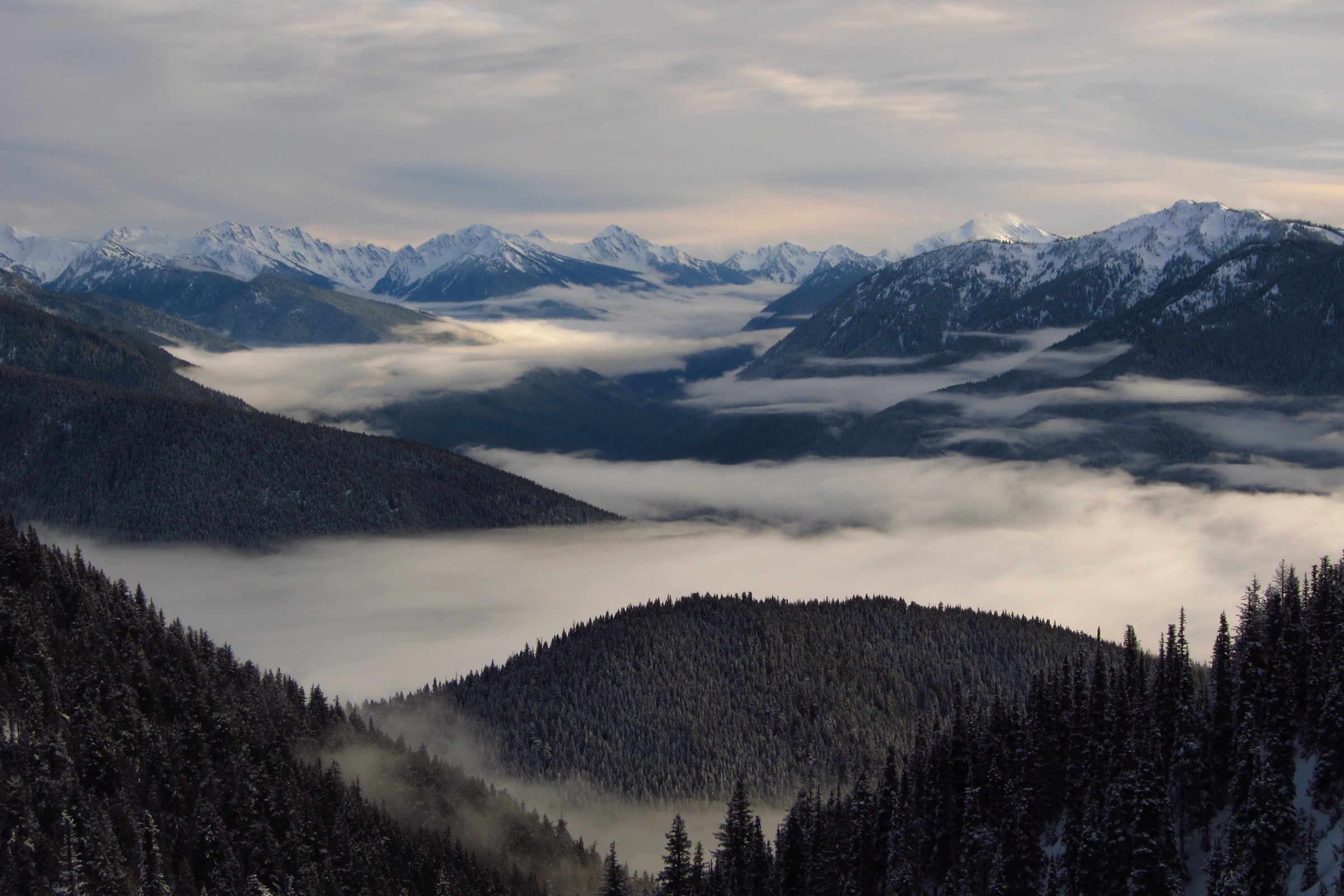
    Fog fills the valleys below snowy Olympic Mountains, seen from forested slopes near Hurricane Ridge in winter
    Winter fog below Hurricane Ridge. NPS Photo / D. Turner

    How to find this season’s dates

    1. Check our upcoming events calendar, where we post talks and gatherings as soon as they are confirmed.
    2. Visit the North Olympic Library System’s Perspectives page for the season’s lineup and livestream link.
    3. Read the friends-only member newsletter, which goes out twice a year.

    Watching from home

    Can’t make it to Port Angeles on a stormy night? Recent seasons have streamed each talk on Zoom, and the library has posted recordings online afterwards. That makes the series easy to share with family who love the park from far away.

    What to expect on the night

    A Perspectives evening is relaxed and friendly, and everyone is welcome: members, neighbours from Port Angeles and Sequim, and winter visitors alike. Expect one speaker, an illustrated presentation and, for many talks, time for questions at the end.

    • Arrive a few minutes early to find a seat and settle in.
    • Dress for the weather, since winter evenings on the Peninsula are often wet and dark.
    • Bring a notebook if you plan to visit the places the speaker describes.
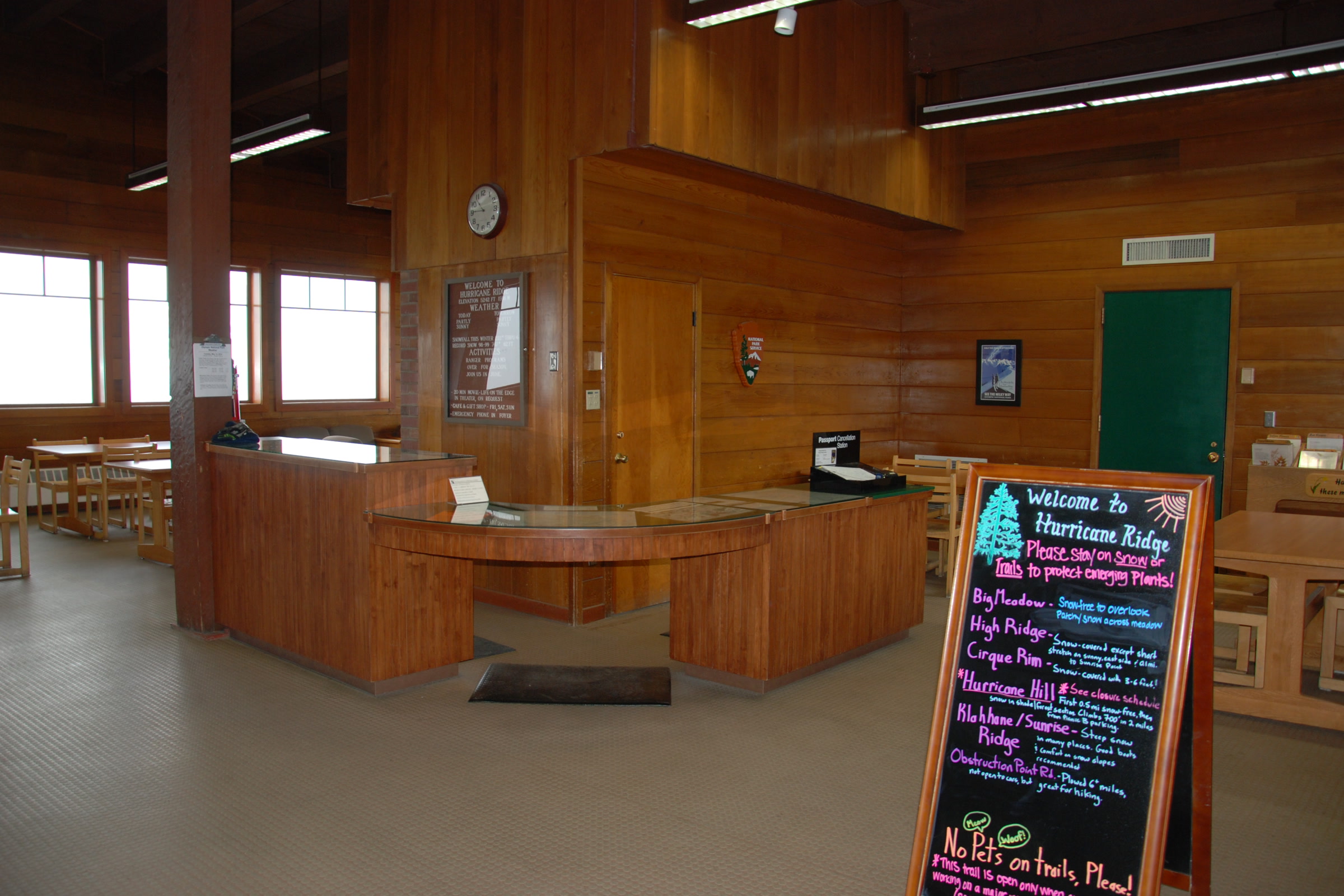
    Wood-panelled interior of the Hurricane Ridge Day Lodge with a curved information desk, tables and a chalkboard of trail conditions
    Inside the Hurricane Ridge Day Lodge, photographed before the lodge was lost to fire. NPS Photo

    Talks at our member gatherings

    Our members gather for talks of their own too. At the Spring Membership Meeting on March 19, 2026, we met at the Olympic National Park Visitor Center in Port Angeles. Keynote speaker Annie Matsov spoke on “Historical Structures at Olympic National Park.”

    The same evening brought a park update from Superintendent Sula Jacobs and the presentation of the Most Inspirational Friend Award. If old cabins, shelters and lodges catch your interest, read our guide to the historical structures of Olympic National Park.

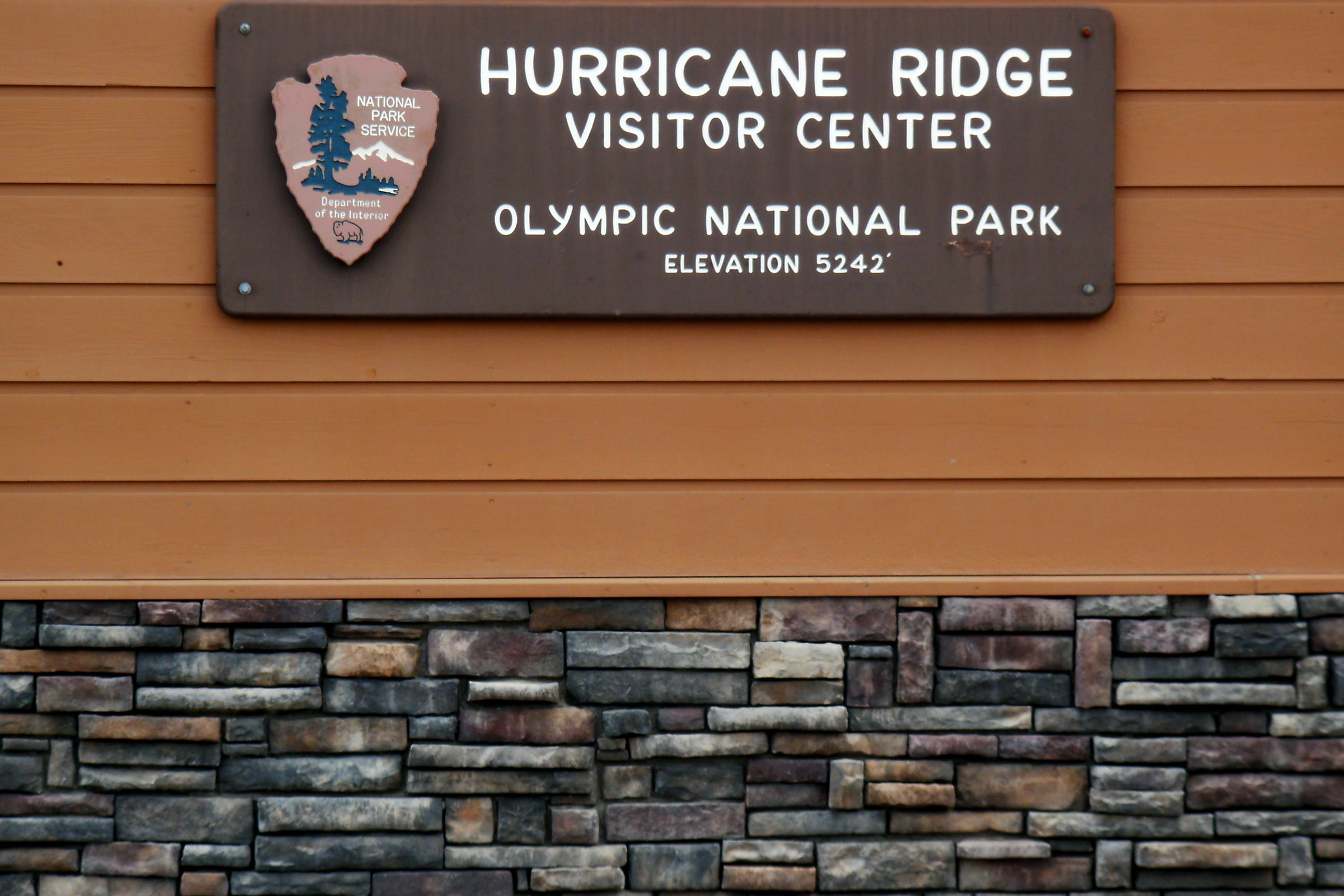
    Brown National Park Service sign with the arrowhead emblem reading Hurricane Ridge Visitor Center, Olympic National Park, elevation 5242 feet
    Hurricane Ridge Visitor Center sign. NPS Photo

    How to get involved

    • Come to a talk. They are free and open to everyone, so bring a friend or a curious teenager.
    • Join us. Olympic National Park membership starts at $15 and includes our newsletter and invitations to annual events.
    • Suggest a topic. Know a researcher or a park story worth an evening? Send us your speaker idea.
    • Give. Gifts help fund our education projects and the park activities its budget does not cover. Read how the different ways to support Olympic National Park compare.

    Winter Perspectives is one part of our education work. In warmer months, join our guided nature walks, or bring the kids to National Junior Ranger Day.

    Frequently asked questions

    Are the Olympic National Park Perspectives talks free?

    Yes. Past seasons have been free and open to everyone, with no registration needed. Check the current listing in case anything changes.

    Where are the Perspectives talks held in Port Angeles?

    Recent seasons met at the Port Angeles Main Library on South Peabody Street. The park and the library confirm the venue each year.

    Can I watch the talks online?

    Recent seasons have streamed talks on Zoom, and the North Olympic Library System has posted recordings afterwards.

    When does the winter speaker series run?

    Recent seasons ran monthly from January through April, usually at 7 PM on the second Tuesday. Earlier seasons started in November.

    How is Friends of Olympic National Park involved?

    Winter Perspectives is one of our seven projects. Park news releases have listed us among the sponsors of the series, alongside the park and the library system.

    Spend a winter evening with the park

    A good talk can change how you see a trail, a river or a beach you thought you knew. Browse our projects to see everything we support, then come find us at the next evening talk.

  • Graffiti Removal in Olympic National Park

    Graffiti Removal in Olympic National Park

    Our Projects · Volunteer · Lake Crescent

    Graffiti removal in Olympic National Park is slow, careful work that nobody should have to do. Initials carved into bark, names scratched into boulders and spray paint on rocks all take something from the next visitor. Graffiti Removal is one of the seven projects Friends of Olympic National Park supports, alongside our cleanups and our trail crew.

    This page explains why graffiti matters in a wild park, what our volunteers have done about it, and how to report vandalism if you find it. Most of all, it is an invitation to help keep the park’s rocks and trees unmarked.

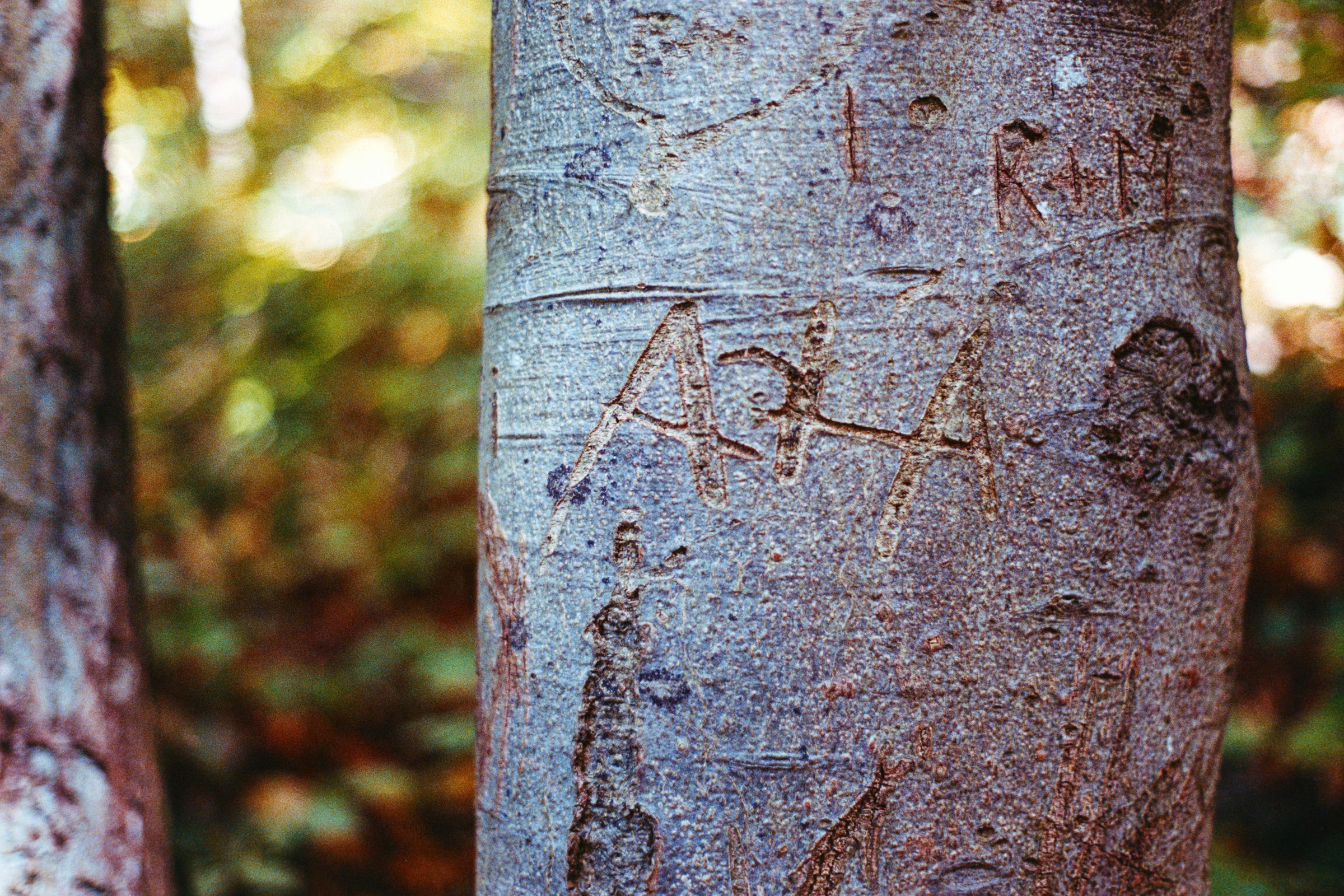
    Initials and hearts carved deep into the smooth grey bark of a tree trunk
    Carved initials leave a scar the tree carries for life. Not in Olympic National Park. Photo: Julian Kraus / Unsplash

    Why graffiti matters in a wild park

    The National Park Service is clear on this point. Its graffiti guidance for visitors at Arches National Park says all graffiti in a park is vandalism, no matter how small or how lightly drawn. Marking rock is illegal, and even after a careful cleaning the stone often stays discoloured.

    Removal is also expensive in time and effort. Light marks may come off with brushes and water, but deep carving can only be ground down, which changes the rock for good. Every hour spent erasing initials is an hour not spent on trails, habitat or visitor programs.

    Common kinds of graffiti compared

    TypeWhere it shows upWhy it lasts
    Carved initialsTree bark, wooden railingsThe cut becomes a permanent scar
    Scratched or carved rockBoulders, cliffs, shoreline stonesDeep marks can only be ground away
    Spray paint and markerRocks, signs, picnic tablesPigment soaks into the surface and stains
    Chalk and painted stonesRock faces, trailsidesStill graffiti, and it invites copycats

    Marks left in place can also invite more of the same. One set of letters on a boulder can grow into a crowded wall, so prompt reporting matters.

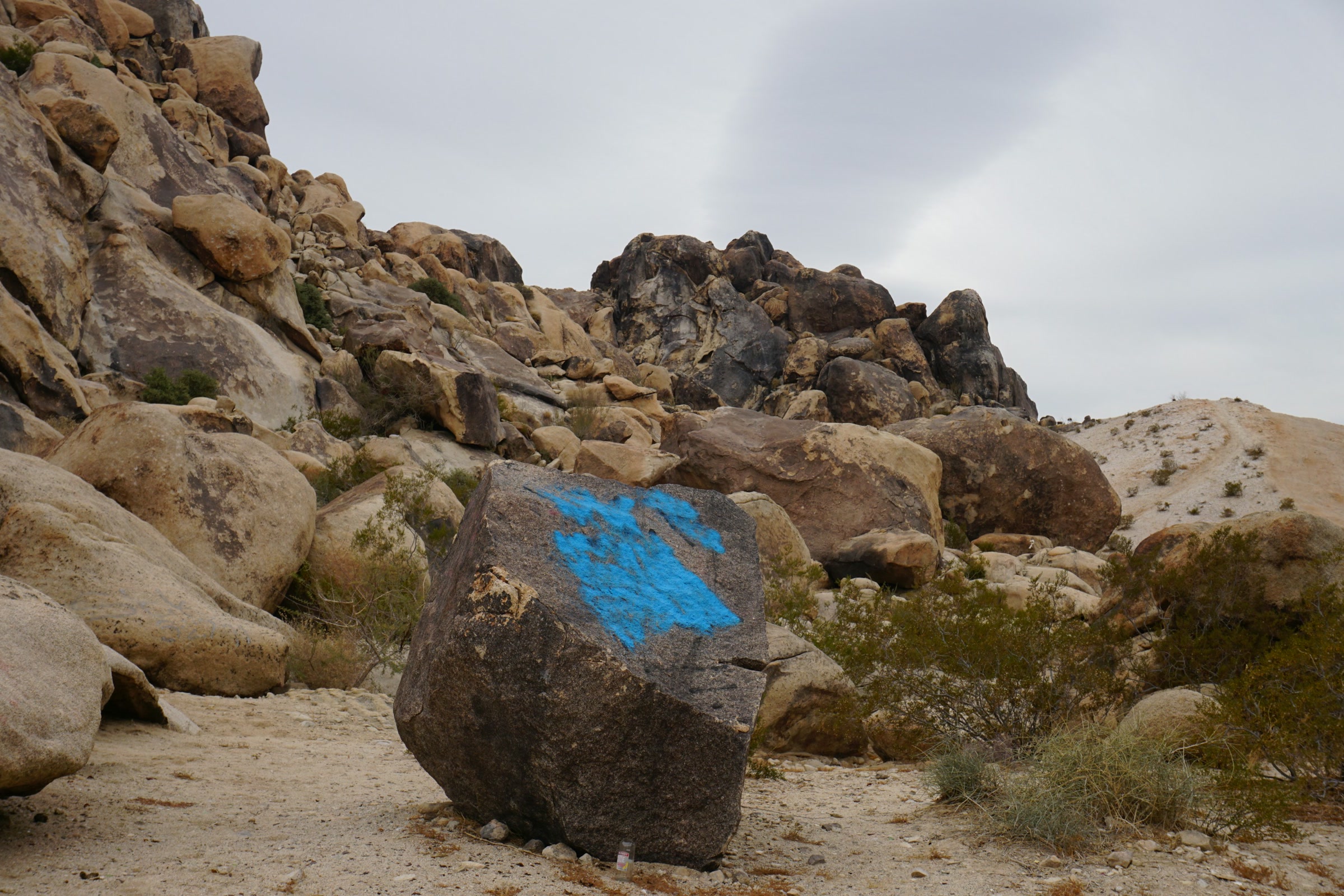
    A dark boulder marked with a large patch of bright blue spray paint among natural rocks and dry brush
    Spray paint on a boulder, shown for illustration. Not in Olympic National Park. Photo: B Kay / Unsplash

    What we do

    Graffiti Removal sits within the volunteer side of our work. Our role is to bring willing, careful hands to projects the park has approved, and to work alongside park staff rather than on our own. Choosing the right method for each surface matters as much as the scrubbing itself.

    Research and careful method sit at the heart of this project. Our 2024 Most Inspirational Friend, Desiree Marble, was honoured for “Research & Implementation, East Beach Graffiti Removal.” You can read the full list of past recipients of our Most Inspirational awards, or the story behind the Willie McCool award.

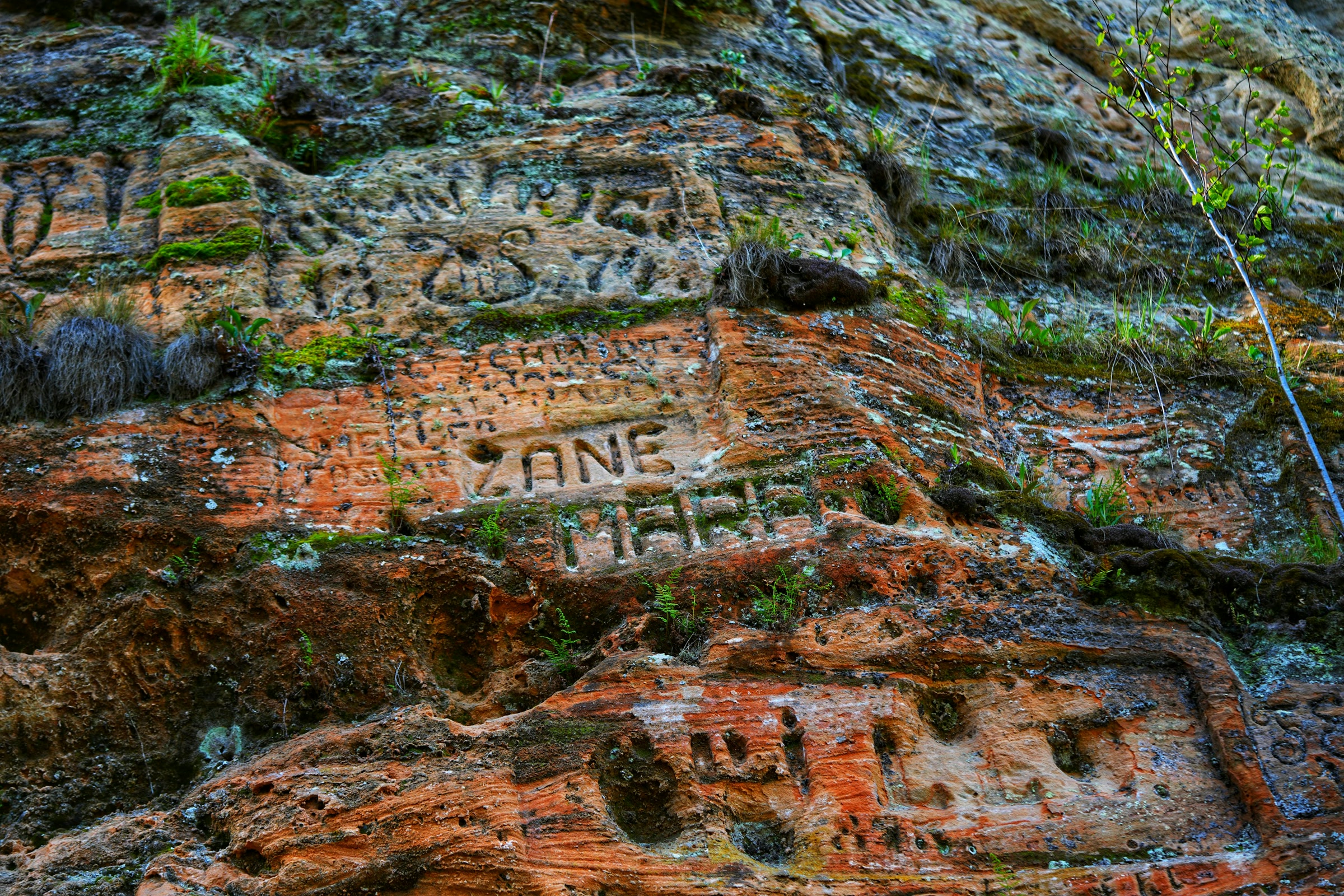
    Names and letters carved into a red sandstone cliff face, with moss and ferns growing in the cracks
    Carved names on a sandstone cliff. Not in Olympic National Park. Photo: Bruno Brikmanis-Jurjans / Unsplash

    East Beach and the Lake Crescent shoreline

    East Beach is the place named in our 2024 award. The park describes East Beach as a scenic picnic area on the shore of Lake Crescent. It has picnic tables, fire pits, an accessible restroom, trash bins and a launch for canoes, kayaks and small boats.

    Day-use spots like this see a lot of happy use, and a few thoughtless moments. Picnic tables, shoreline rocks and big trees are the usual targets. Please leave them exactly as you found them.

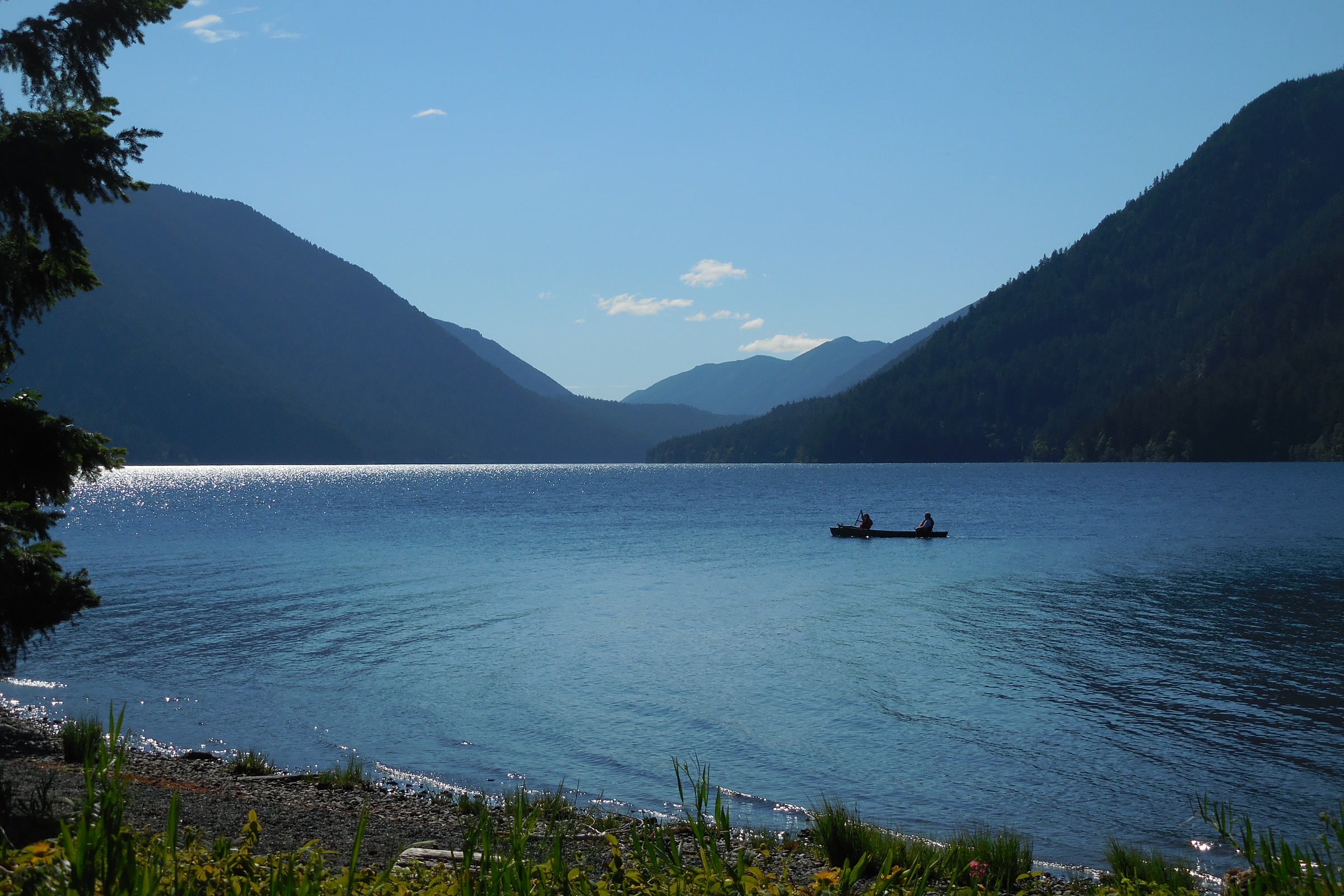
    Two paddlers in a canoe on calm blue Lake Crescent, framed by forested mountains and a pebbly shore
    Paddling on Lake Crescent. NPS Photo / C. Bubar

    Simple ways to leave no trace at the lake

    • Take photos instead of leaving your name behind.
    • Leave rocks, driftwood and plants where they are.
    • Pack out your trash, or use the bins provided.
    • Teach children that the park’s rocks and trees aren’t for writing on.
    Wooden boat docks reaching into still Lake Crescent, with grassy shore and rounded stones in the foreground
    Boat docks on Lake Crescent. NPS Photo

    How to report vandalism in Olympic National Park

    If you find fresh graffiti, or see someone carving or painting, report it. The National Park Service runs a tip line for reporting crimes in any national park, and you don’t have to give your name.

    Ways to report vandalism compared

    ChannelHowBest for
    Phone tip line888-653-0009A quick report, with or without your name
    Online formSubmit a Tip on the NPS Investigative Services pageSending photos, up to 7 MB
    Emailnps_isb@nps.govDetailed notes with photos attached
    In personAny ranger or park employeeHelp on the spot
    EmergencyCall 911Anything that threatens safety right now
    1. Note exactly where you are: the trail, picnic area or landmark, plus GPS coordinates if your phone has them.
    2. Photograph the graffiti from a few angles without touching it.
    3. Write down the date and time, and a description of anyone you saw.
    4. Don’t confront anyone. Report what you saw and let rangers handle it.
    Shaded lakeshore path at Lake Crescent with a small wooden trail sign beside a large tree and blue water beyond
    A trail sign is a handy landmark for any report. NPS Photo

    Please don’t remove it yourself

    It is tempting to scrub off a fresh tag on the spot. But the wrong cleaner or a wire brush can grind paint deeper into the rock or strip away lichen and moss. Removal belongs to park staff and the volunteers working with them, who know the surface and the method.

    Prevention starts with young visitors

    The cheapest graffiti to remove is the graffiti that never happens. Carving a name into a tree or a rock takes only a moment of forgetting about who comes next. A few words from a parent, a teacher or a ranger can change that for good.

    That is one reason we support programs for young visitors. Our National Junior Ranger Day and Children’s Discovery Room projects help kids see the park as something to protect. A child who has earned a Junior Ranger badge makes a fine guardian of the family picnic spot.

    • Talk with children about why we leave rocks and trees unmarked.
    • Offer a camera or sketchbook as a better way to remember the day.
    • Point out graffiti you see together, and report it as a family.

    How to get involved

    The best way to help is to join an organised volunteer day. Park volunteer projects are registered through Volunteer.gov, and our step-by-step guide to volunteering at Olympic National Park walks you through it.

    Frequently asked questions

    Is graffiti illegal in national parks?

    Yes. The National Park Service treats all graffiti as vandalism, however small, and marking rock in a national park is illegal.

    How do I report vandalism in Olympic National Park?

    Call the NPS tip line at 888-653-0009, use the Submit a Tip form, email nps_isb@nps.gov or tell any ranger. Call 911 in an emergency.

    Can I remove graffiti myself if I find it?

    Please don’t. The wrong cleaner or tool can damage rock and plants. Report it instead and leave removal to park staff and approved volunteers.

    Is carving initials into a tree graffiti?

    Yes. Carving, scratching, painting and chalking all count as graffiti, and a carved tree carries the scar for life.

    How can I help with graffiti removal?

    Sign up for organised volunteer days through our volunteer page and Volunteer.gov, and become a member to hear about new opportunities.

    Help keep the park unmarked

    A park without graffiti is one where every visitor gets the same wild first look. Browse our projects to find your fit, or write to us through our contact page with questions.

  • Olympic National Park Pollinator Garden at the Visitor Center

    Olympic National Park Pollinator Garden at the Visitor Center

    Our Projects · Volunteer · Port Angeles

    The Olympic National Park pollinator garden sits on the grounds of the main Olympic National Park Visitor Center at 3002 Mt Angeles Rd in Port Angeles. Each year, Friends of Olympic National Park volunteers come together to weed, tidy and care for it so it keeps supporting native plants and wildlife. It is one of the easiest ways to give back to the park without leaving town.

    Garden care is part of our Beach & Visitor Center Cleanups project, one of the seven projects FONP volunteers support. This page explains what we do in the garden, why pollinators matter, and how you can join the next work day.

    What we do in the pollinator garden

    The Visitor Center is where thousands of people start their trip into the park each year. We want its grounds to feel welcoming, and we want the garden to keep doing its quiet work for bees, butterflies and birds. Our volunteer days combine general cleanup with hands-on garden maintenance.

    Typical tasks on a work day include:

    • Weeding so garden plants are not crowded out
    • Deadheading spent blooms and tidying beds
    • Mulching to hold moisture and keep weeds down
    • Removing non-native invasive plants from garden areas, such as the Entrance Sign Garden
    • General grounds cleanup around the Visitor Center and the park entrance sign
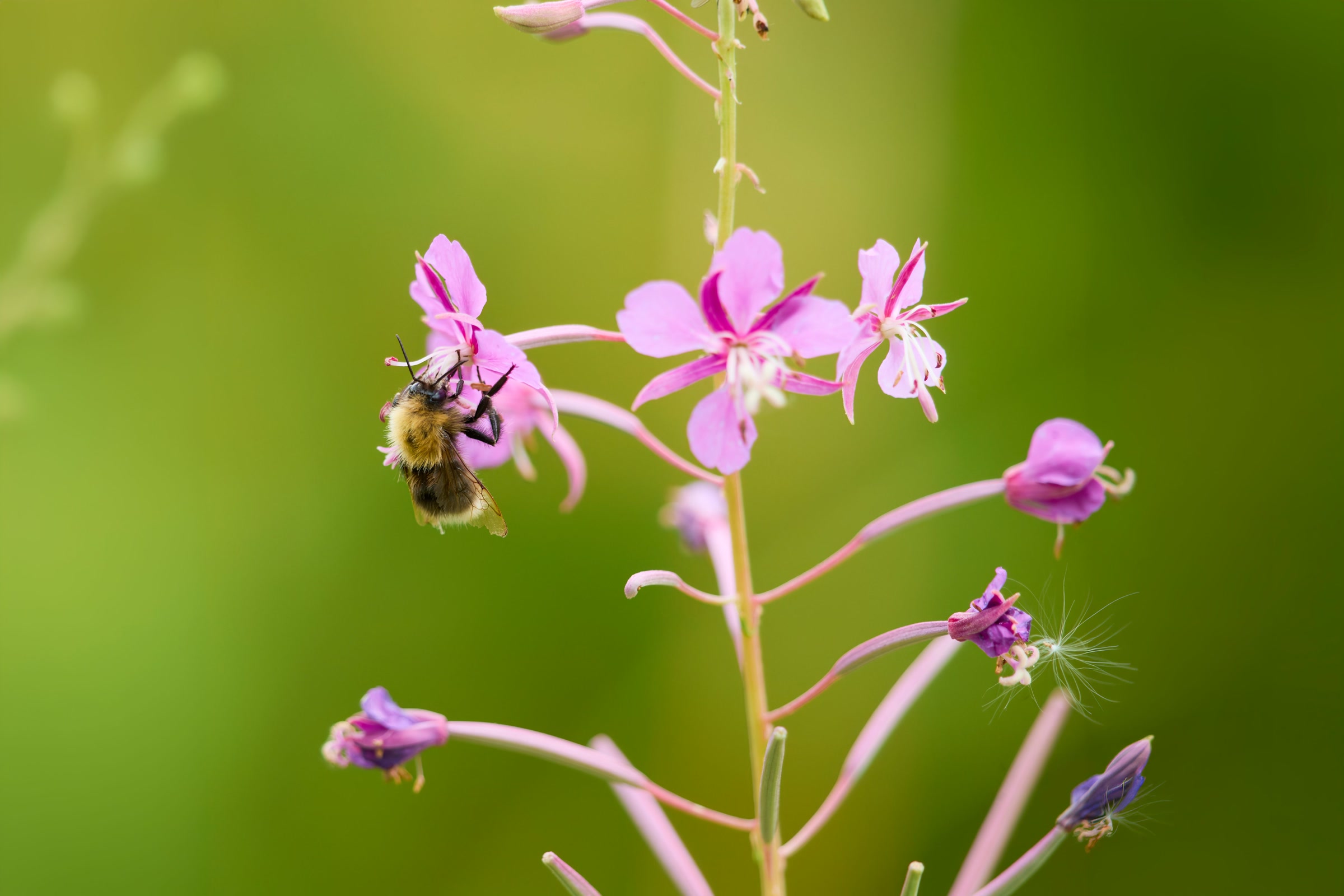
    A bumblebee hanging from a pink fireweed blossom on a tall flower stalk against a soft green background
    A bumblebee working a fireweed blossom. Photo: Erwin Bosman / Pexels

    Invasive plant removal near Port Angeles

    Invasive plants spread fast and can smother the plants that pollinators rely on. On June 17, 2025, our volunteers held an Entrance Sign Garden cleanup focused on pulling non-native invasive plants. If you have been looking for an invasive plant removal volunteer day in Port Angeles, this is a friendly, low-key place to start.

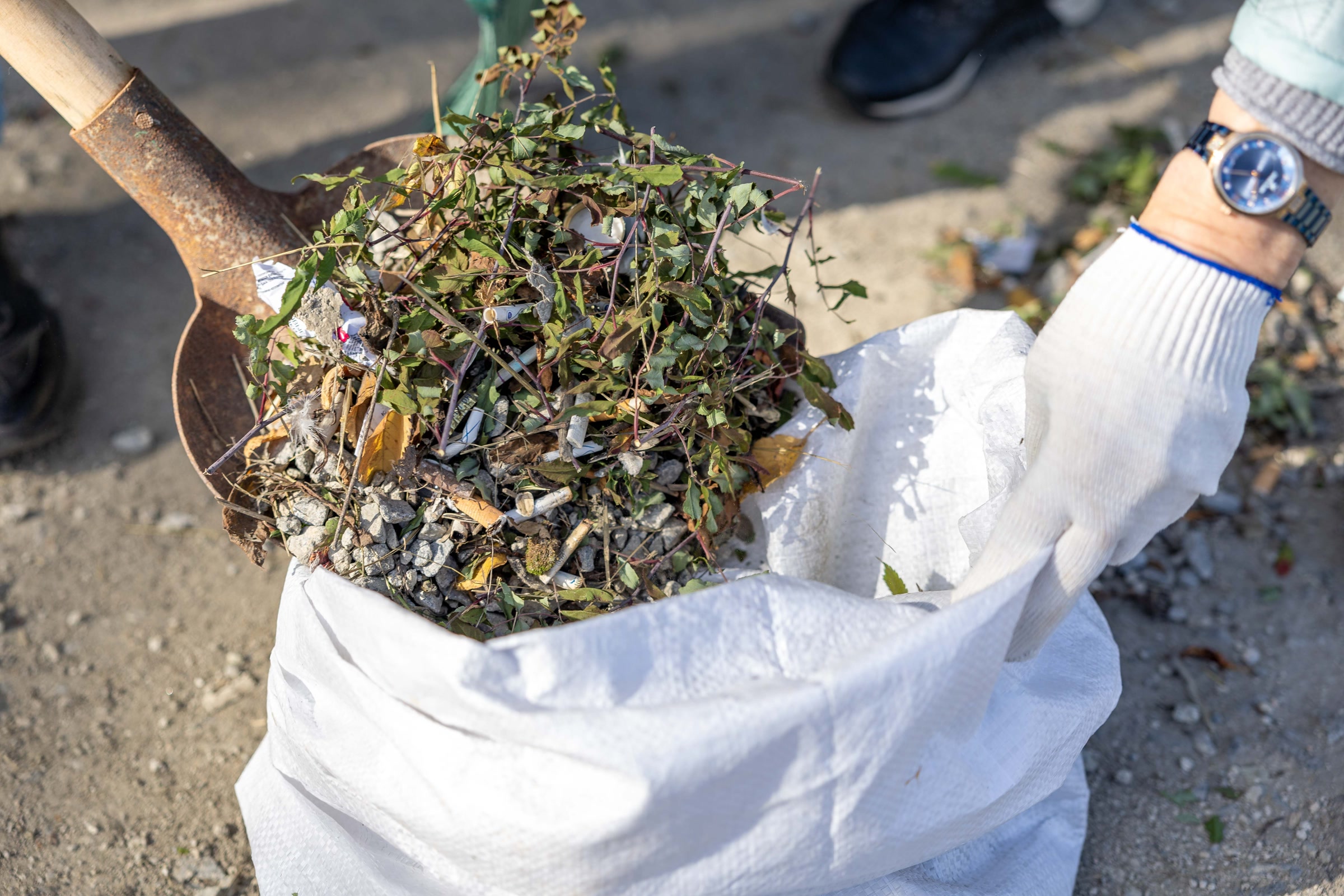
    A gloved hand holding open a white sack while a shovel tips pulled weeds into it
    Bagging pulled weeds keeps seeds from spreading. Photo: Sergei Starostin / Pexels

    Why a pollinator garden matters

    Pollinators carry pollen from flower to flower so plants can make seeds and fruit. According to the National Park Service pollinator program, more than 75 percent of the world’s flowering plants depend on bees, butterflies, birds, bats and other pollinators. The same source notes that many pollinator populations are declining.

    Gardens help because they give pollinators food and shelter close together. Even a small, well-kept bed near a busy building can become a useful stop for insects and birds moving between the forest and town.

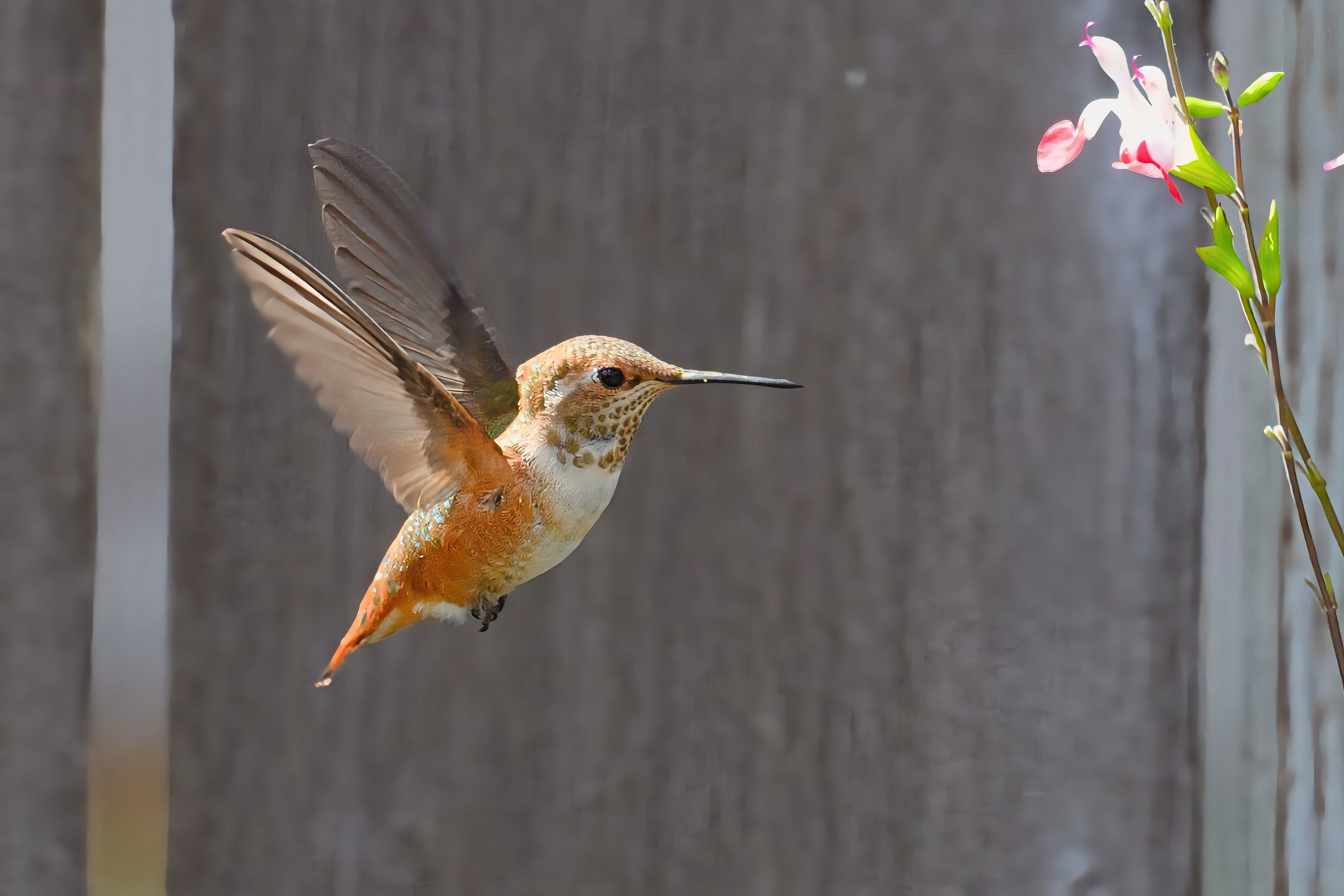
    A rufous hummingbird hovering in mid-air beside a small pink flower in Lacey, Washington
    A rufous hummingbird in western Washington. Photo: Townsend Walton / Pexels

    Native plants and the pollinators that use them

    Native plants and local pollinators grew up together over a very long time, so they tend to fit each other well. That is why caring for native plants and clearing out invasive ones go hand in hand. Here are some of the pollinators you might notice on the Olympic Peninsula:

    • Bumblebees and other native bees, busy on cool, cloudy days when many insects stay put
    • Butterflies and moths, which favour open, sunny flower beds
    • Hummingbirds, drawn to tubular red and pink flowers
    • Flies and beetles, the overlooked pollinators of many wildflowers

    Want to plant for pollinators at home? Pollinator Partnership publishes free ecoregional planting guides for pollinators, including one for the Pacific Lowland region. Enter your zip code to find the right guide for your yard.

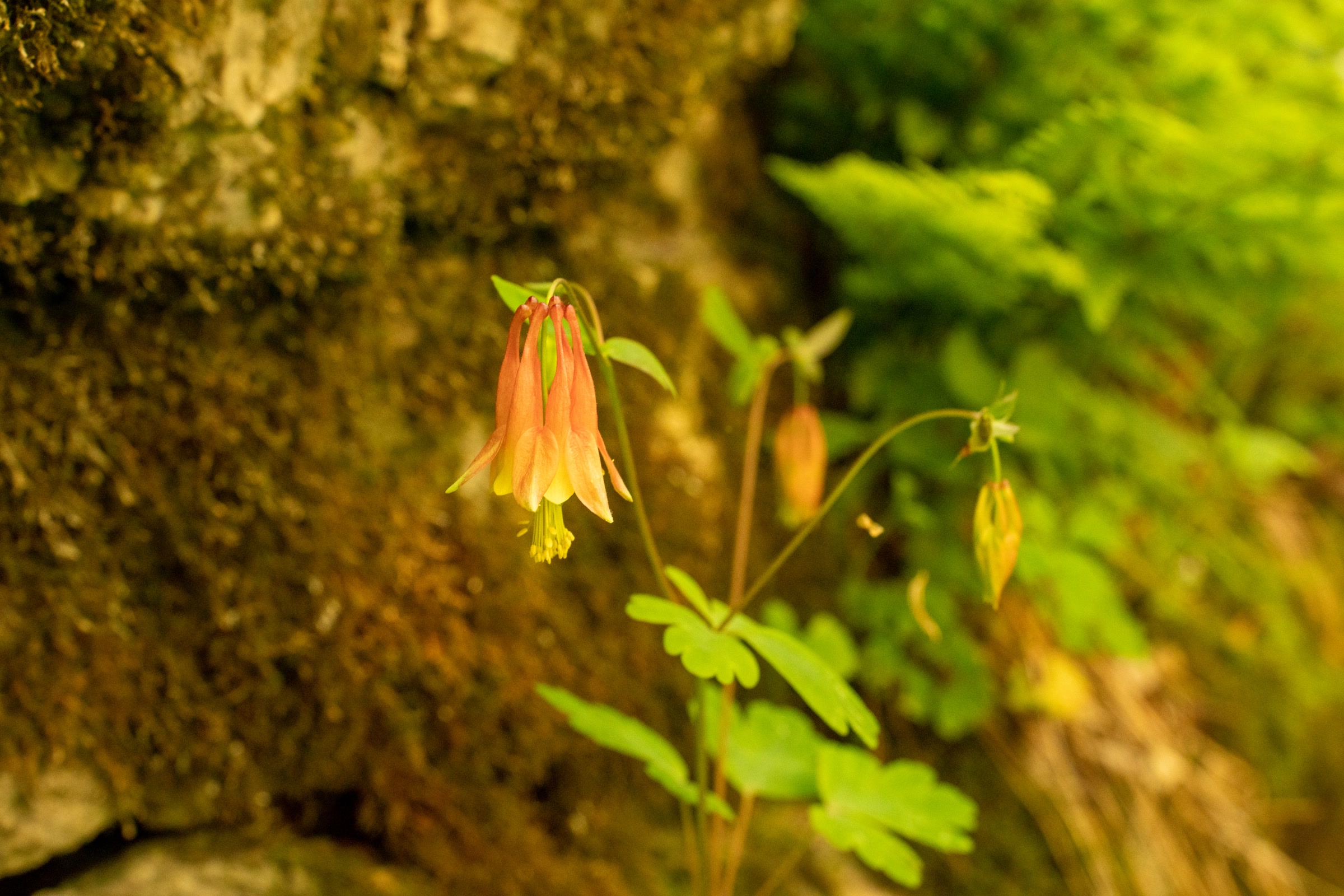
    A nodding red and yellow wild columbine flower growing beside a mossy rock with ferns behind
    Columbine flowers are a classic hummingbird favourite. Photo: Tom Fisk / Pexels

    When and where the work days happen

    Garden and grounds work happens at the Olympic National Park Visitor Center, 3002 Mt Angeles Rd, Port Angeles, WA 98362. Our sessions have run from 9:00 AM to noon, which leaves the afternoon free to explore the park. New dates go up on our upcoming events calendar as soon as they are set.

    Recent garden work days compared

    Work dayDate and timeMain tasks
    Spring Visitor Center Cleanup and Pollinator GardenMay 2, 2026, 9:00 AM to noonGeneral cleanup and pollinator garden maintenance
    Fall CleanupSeptember 27, 2025, 9:00 AM to noonWeeding, deadheading and mulching at the entrance sign and Visitor Center
    Entrance Sign Garden cleanupJune 17, 2025Removing non-native invasive plants

    Read more about the spring day on our Visitor Center cleanup and pollinator garden event page, or see how the autumn session went on the fall cleanup volunteer event page.

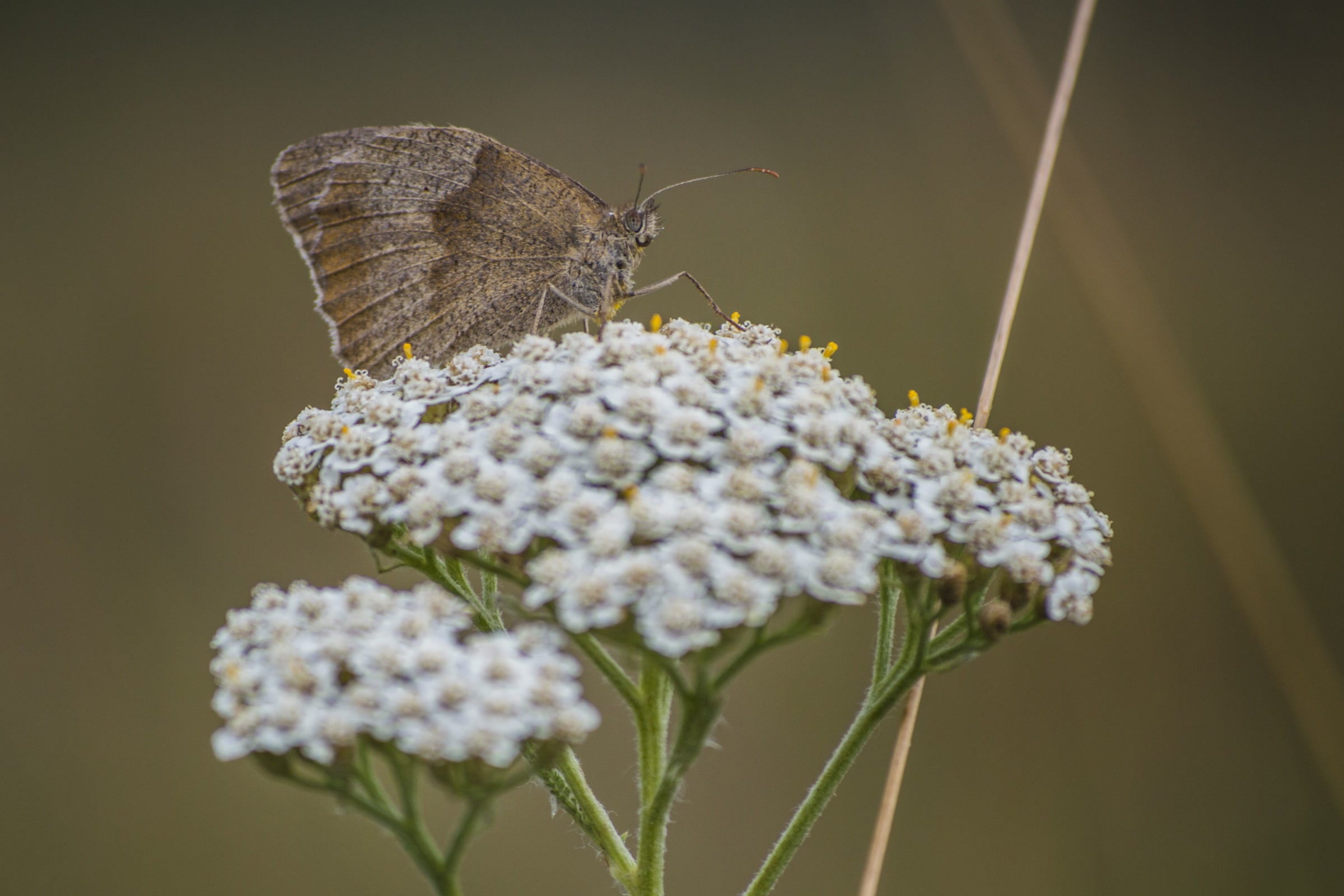
    A brown butterfly resting on a flat-topped cluster of white yarrow flowers
    A butterfly on yarrow. Photo: Serafettin Ünye / Pexels

    How to join an Olympic National Park Visitor Center cleanup

    Signing up is simple, and no gardening experience is needed. Our crews explain each task at the start of the morning.

    1. Check our events page for the next Visitor Center or garden date.
    2. Register in advance through Volunteer.gov, using the listing linked from the event page. Spots can be limited; the fall 2025 session closed once 20 volunteers had signed up.
    3. On the day, meet in the main Visitor Center parking lot and look for the FONP banner.
    4. After a short welcome, we split into teams and get to work.

    New to volunteering in the park? Our step-by-step guide to volunteering at Olympic National Park walks you through Volunteer.gov and other ways to help.

    What to bring

    Green work gloves, a folding pruning saw and orange-handled pruning shears laid out on a stone surface
    Bring your own favourite gloves and hand tools if you like. Photo: susana MaRo / Pexels

    At our fall 2025 session, hand tools and water were provided. Volunteers were asked to bring:

    • garden gloves, or your own favourite pair
    • sunscreen and a hat
    • clothes and shoes you don’t mind getting dirty

    Check each event listing for the latest details, since what we supply can change from one work day to the next.

    Who joins a garden morning

    Garden days are open to everyone. Port Angeles and Sequim neighbours, newcomers to the peninsula and visiting park lovers can all pitch in and meet others who care about the park. Because the work is close to the parking lot and the pace is relaxed, it suits people who prefer a trowel to a long hike.

    You can work at your own speed, take breaks when you need them, and choose a task that fits you. Some volunteers kneel to weed, others spread mulch or carry bags of clippings to the collection point.

    More ways to help near the Visitor Center

    If you enjoy the garden, you may like our other hands-on projects. Head to the coast for beach cleanups in Olympic National Park, or join one of our guided insect, mushroom and wildflower walks to learn more about the plants and creatures you have been helping. Families visiting the Visitor Center can also explore our Children’s Discovery Room project.

    Frequently asked questions

    Where is the Olympic National Park pollinator garden?

    It is on the grounds of the main Olympic National Park Visitor Center at 3002 Mt Angeles Rd, Port Angeles, WA 98362. Volunteers meet in the Visitor Center parking lot on work days.

    How do I sign up for a Visitor Center cleanup?

    Find the next date on our events page, then register in advance through Volunteer.gov. Spots can be limited, so sign up early.

    Do I need gardening experience?

    No. Crews explain each task at the start, and jobs like weeding and mulching suit beginners.

    What should I bring to a garden work day?

    Bring gloves, sunscreen and a hat, and wear clothes you can get dirty. At our fall 2025 session, hand tools and water were provided.

    Why remove invasive plants from the garden?

    Invasive plants spread quickly and crowd out the plants that pollinators depend on. Clearing them gives native plants room to grow.

    Grow something good for the park

    A few hours in the garden makes a visible difference for visitors and for wildlife. See all our volunteer opportunities at Olympic National Park, browse our projects, or become a member to hear about the next garden day first.

  • Children’s Discovery Room at Olympic National Park Visitor Center

    Children’s Discovery Room at Olympic National Park Visitor Center

    Our Projects · Families · Port Angeles

    The Children’s Discovery Room at the Olympic National Park Visitor Center in Port Angeles is a hands-on space where young visitors can play, dress up and learn about the park. It sits inside the park’s main visitor center at 3002 Mt Angeles Rd, so it is an easy first stop on the way to Hurricane Ridge or the coast. On a rainy peninsula day, it can be a family favourite.

    Friends of Olympic National Park counts the Children’s Discovery Room Project among our seven projects. This page explains what kids will find in the room, how our project fits in, and other easy Olympic National Park kids activities you can enjoy just outside the door.

    What’s inside the Discovery Room

    The National Park Service describes the Discovery Room at the main visitor center as an interactive exhibit that hosts thousands of children each year. Everything is designed for small hands and curious minds. According to the park, kids can:

    • Search the murals for creatures that live in the park
    • Open the Discovery Drawers, using a key from the visitor center front desk
    • Play ranger in a kid-size Olympic Ranger Station built of western redcedar
    • Dress up in a real ranger hat or a park volunteer coat
    • Curl up and read park brochures and books on oversized pillows

    Local news coverage of the visitor center has described the drawers as holding puzzles and games about geology, history and tide pools. Exhibits can change over time, so let your kids discover what is there on the day of your visit.

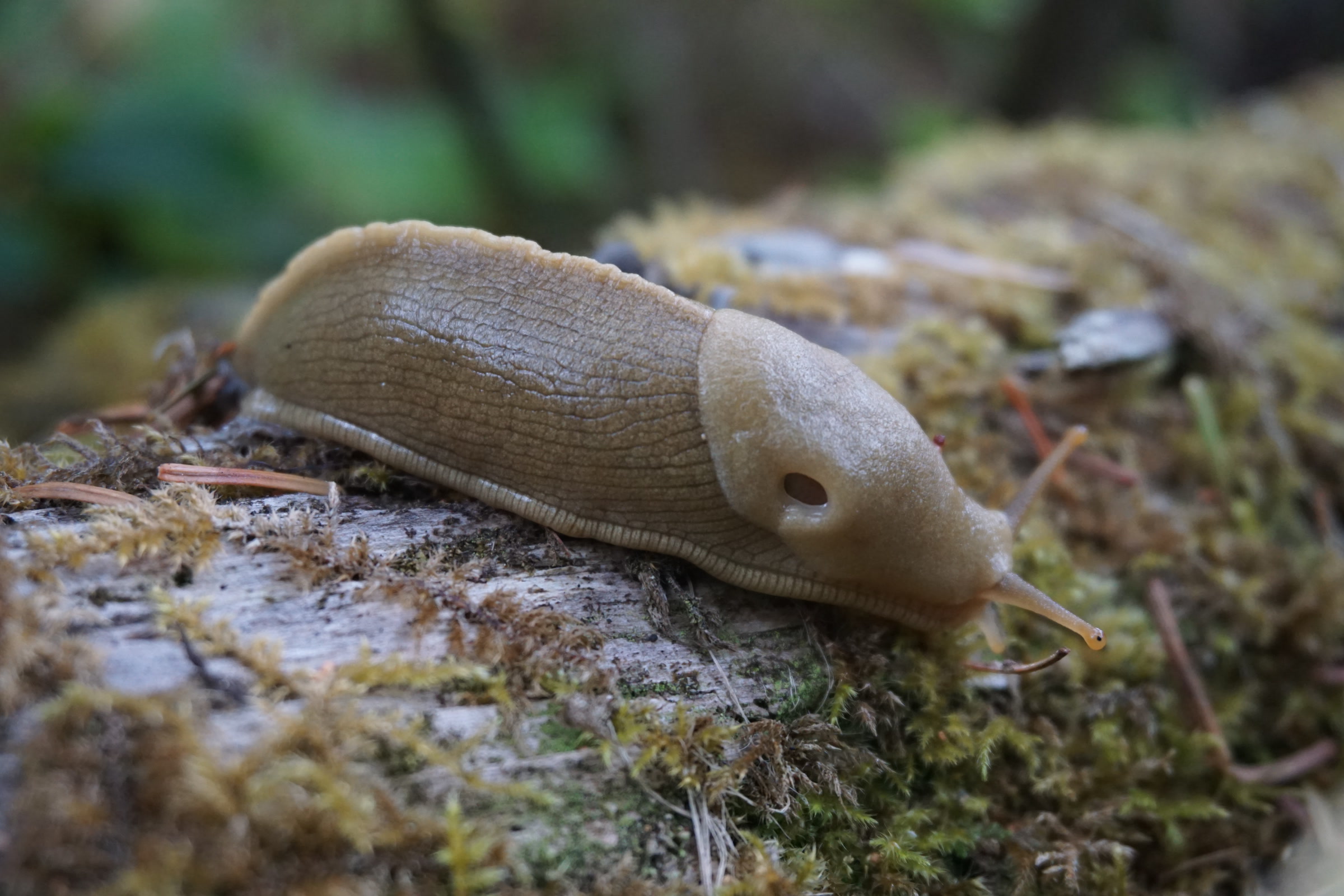
    A plump yellow banana slug stretching its eyestalks across a mossy log in Olympic National Park
    Banana slugs are a favourite find for young explorers. NPS Photo / D. Archuleta

    Hours and access

    The Discovery Room follows the visitor center’s schedule, which changes with the seasons. Check the park’s website or ask at the front desk before you go, and pick up the drawer key while you are there.

    Questions to spark curiosity

    Children often get the most from the room when a grown-up plays along. Try a few open questions as you explore together:

    • Which animal in the murals would you most like to see outside today?
    • What do you think a ranger does all day?
    • Where in the park might that animal find food and shelter?

    Carry those questions out onto the trail. Spotting a creature you just read about is a moment many kids remember long after the trip.

    Our Children’s Discovery Room Project

    As a volunteer-led friends group, we help fund special projects that the park’s own budget doesn’t cover. Our Children’s Discovery Room Project grows from a simple idea: one of the best ways to protect the park for future generations is to help children fall in love with it early.

    We work in close partnership with the National Park Service, and the room itself belongs to the park. Our role is to support it as friends, alongside our other education projects. Every membership and gift helps make that support possible.

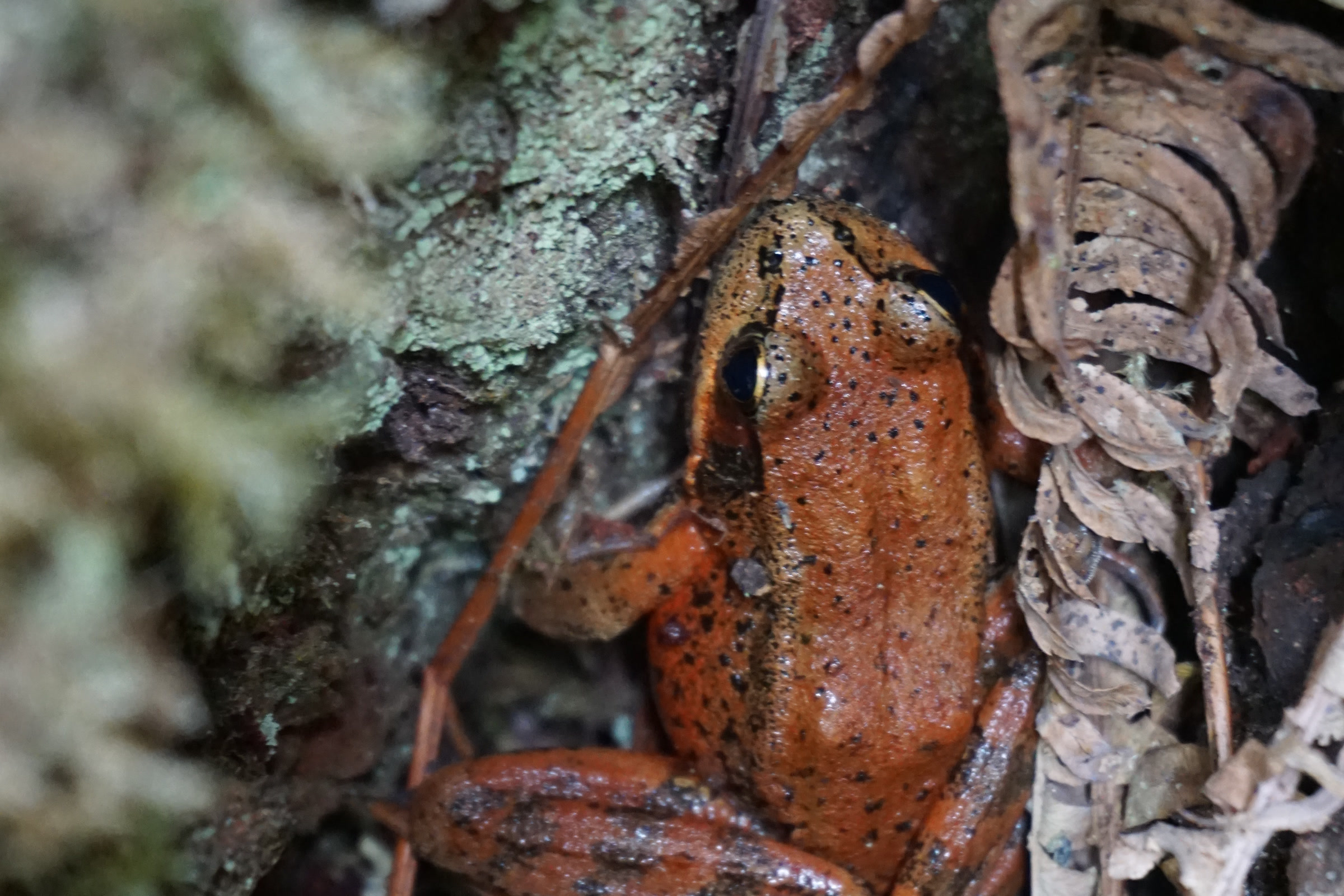
    A small reddish-brown frog tucked among lichen and dry fern fronds on the Olympic National Park forest floor
    A frog hiding among ferns and lichen. NPS Photo / Danielle Archuleta

    Olympic National Park kids activities near the Visitor Center

    The Discovery Room is a great warm-up for the real thing. Once the drawers are closed and the ranger hat is back on its hook, you have several easy options within a few steps of the building.

    Junior Ranger and Ocean Stewards booklets

    Olympic National Park’s Junior Ranger booklet is available at any visitor center in the park. Kids complete the activities to become official Olympic National Park Junior Rangers. For families heading to the beaches, the park’s Ocean Stewards booklet is a hands-on program for children ages four and up, and finishing it earns an Ocean Steward patch.

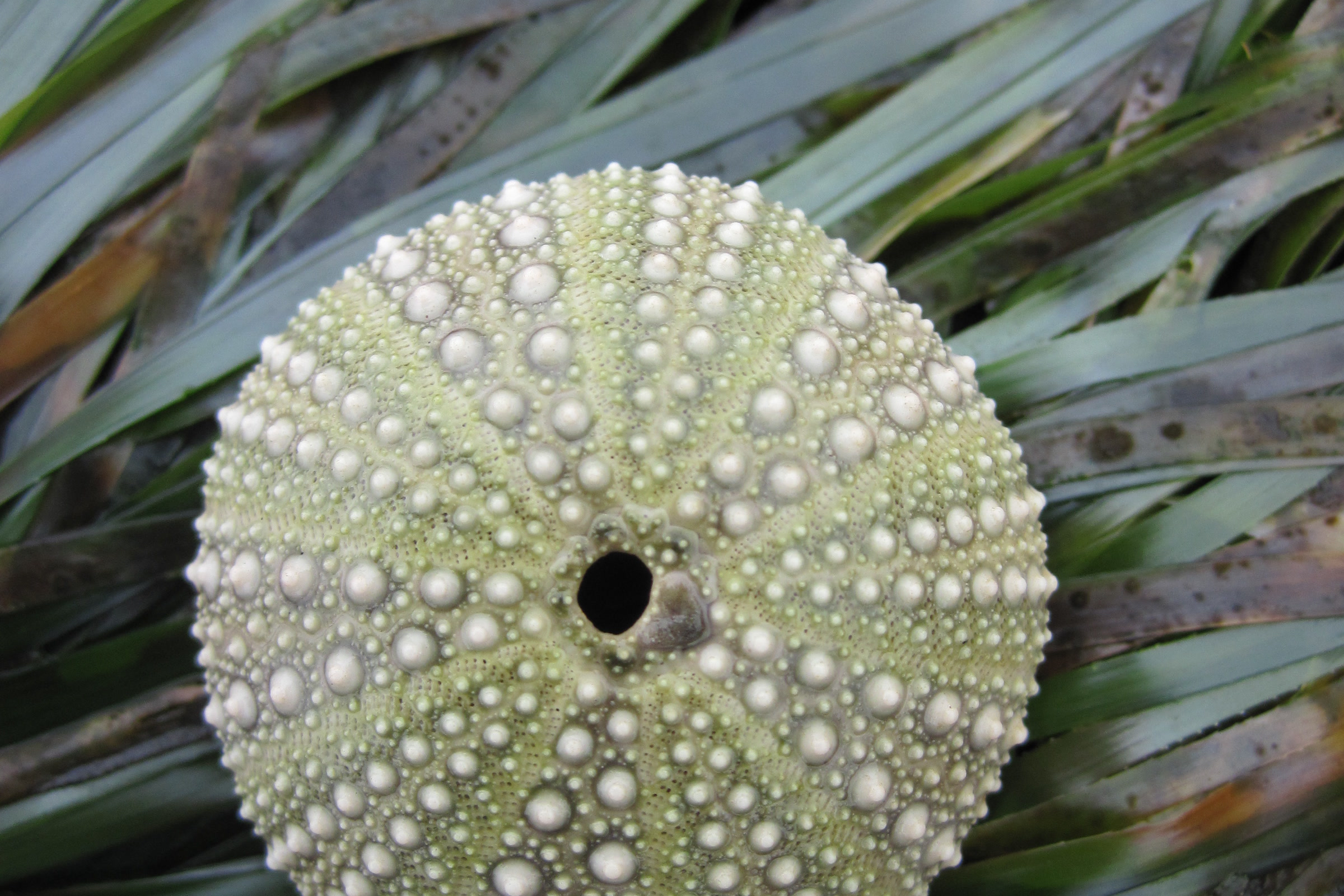
    The pale green, bumpy shell of a sea urchin lying on a bed of sea grass on the Olympic coast
    A sea urchin shell on the Olympic coast. NPS Photo / B. Baccus

    Short trails beside the Visitor Center

    Two trails start right at the Visitor Center, and the park lists both as open year-round. The Living Forest Trail is an easy 0.4-mile loop that begins beside the historic Beaumont cabin behind the building. The Peabody Creek Trail starts at the western edge of the parking lot and drops through the forest to the creek. Older kids with energy to spare can continue on Peabody Creek for a 5.2-mile out-and-back.

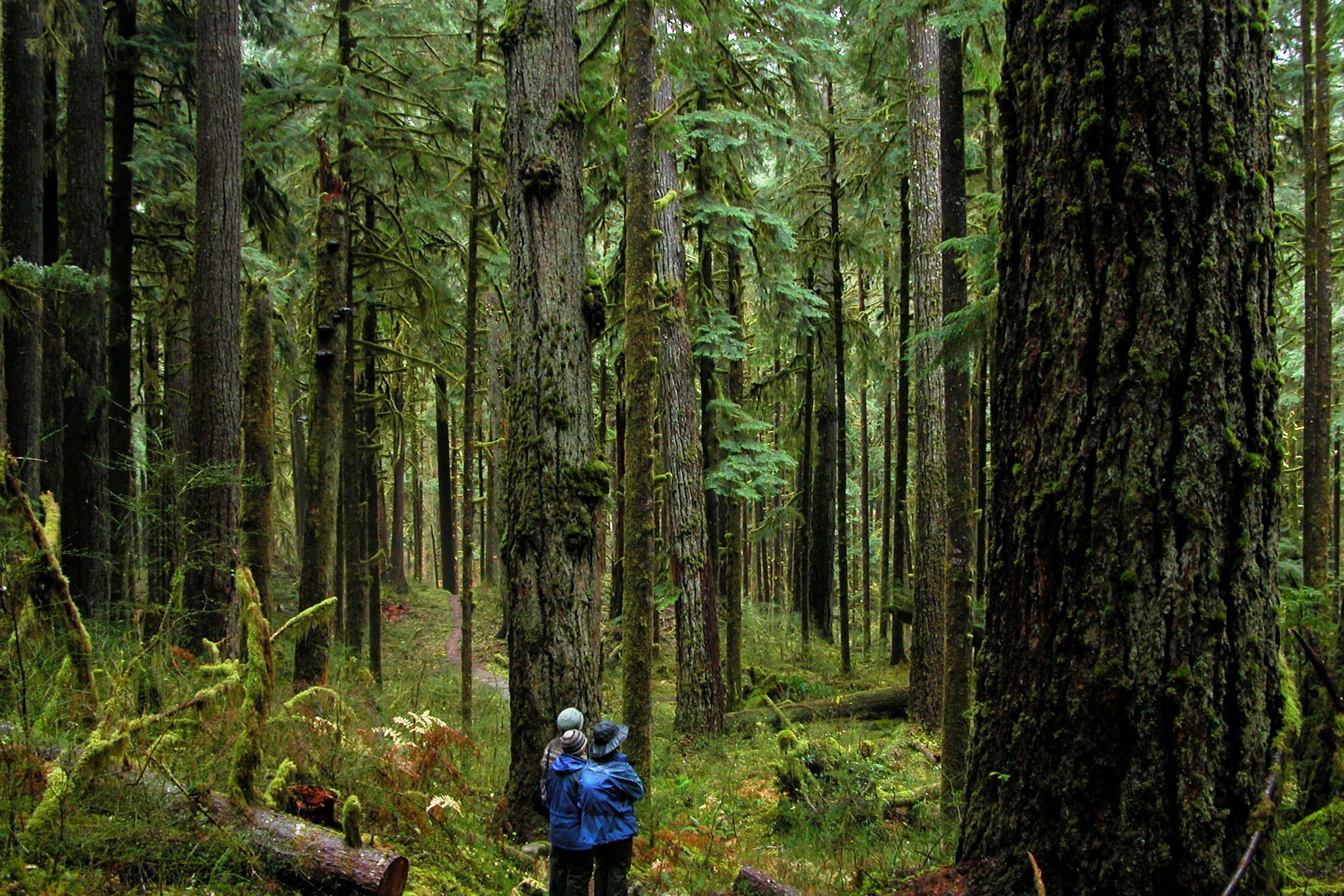
    Two visitors seen from behind on a quiet trail among tall moss-covered trees and ferns in an Olympic National Park forest
    A quiet forest walk in Olympic National Park. NPS Photo

    Kids activities at the Visitor Center compared

    ActivityWhereGood to know
    Discovery RoomInside the main Visitor CenterAsk at the front desk for the drawer key
    Junior Ranger bookletAny park visitor centerComplete it to become a Junior Ranger
    Ocean Stewards bookletPark visitor centersAges four and up; earns a patch
    Living Forest TrailBehind the Visitor CenterEasy 0.4-mile loop; accessible with assistance; no pets
    Peabody Creek TrailWest edge of the parking lotModerate half-mile loop; not ADA accessible; pets allowed

    Tips for a family visit

    A little planning helps a short stop turn into a great morning. These simple ideas work well for families with young children:

    • Start indoors in the Discovery Room, then head outside once the kids are curious.
    • Pick up a Junior Ranger booklet early so children can work on it all day.
    • Choose the Living Forest Trail for little legs; the park lists it as accessible with assistance.
    • Bring rain jackets and a snack; peninsula weather changes quickly.
    • Look closely: slugs, cones, mushrooms and tiny frogs hide in plain sight.
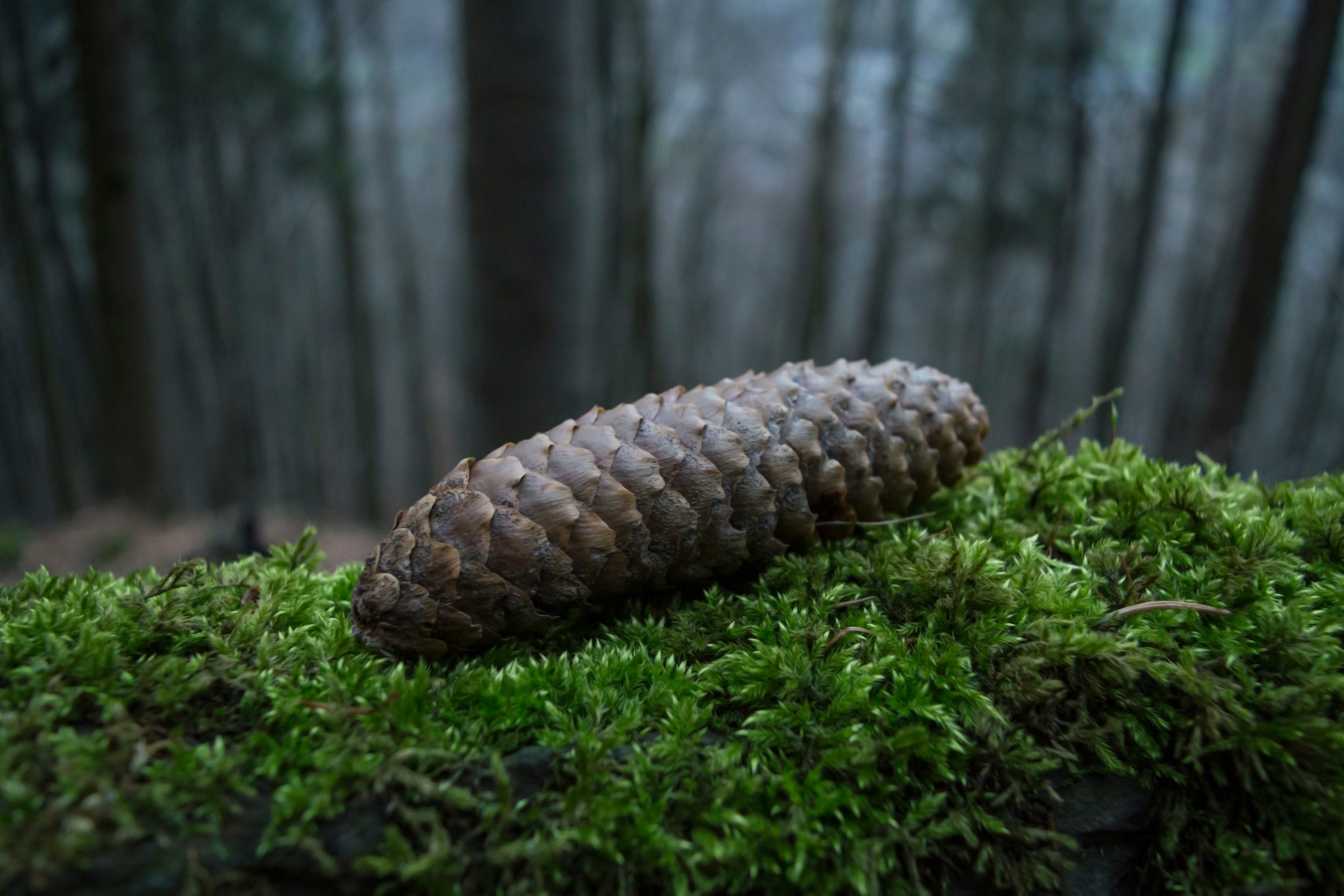
    A single brown conifer cone resting on a cushion of bright green moss in a shady forest
    Cones and moss make perfect small discoveries. Photo: Oleksandr Lutsenko / Pexels

    Look, learn and leave it

    Teach kids to enjoy finds where they are. Cones, shells, feathers and rocks stay in the park so the next young explorer can find them too, and so they can keep doing their job in nature.

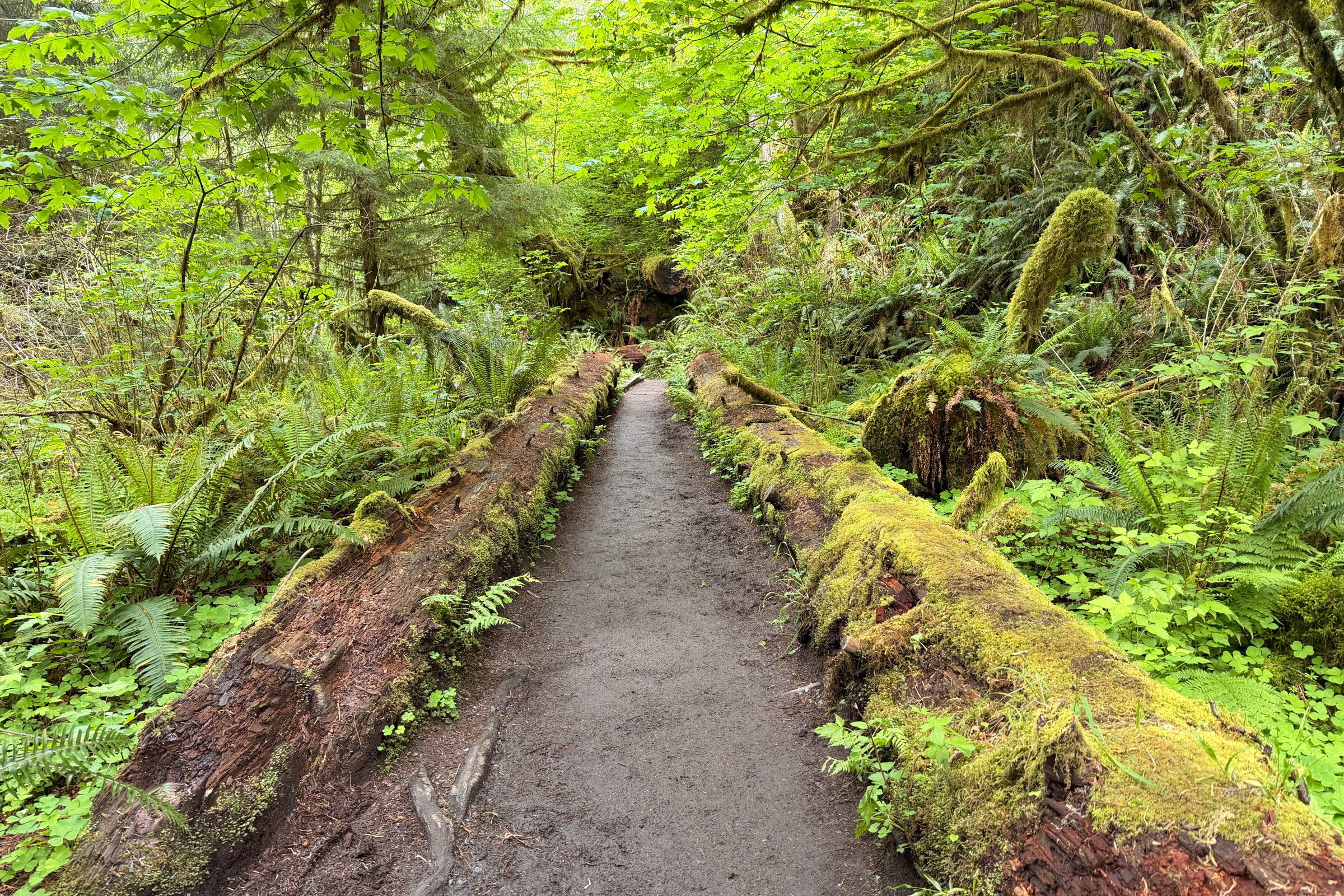
    A packed-earth forest path running between two long moss-covered logs, with ferns and leafy trees on both sides
    A forest path lined with mossy logs. Photo: Kanishk Gabel / Pexels

    More family-friendly ways to explore with us

    Our National Junior Ranger Day project celebrates young rangers each spring, and our guided insect, mushroom and wildflower walks are a gentle introduction to the park’s smaller wonders. Right outside the Visitor Center, our volunteers also care for the Visitor Center pollinator garden, where kids can watch bees and butterflies at work.

    Frequently asked questions

    Where is the Children’s Discovery Room in Olympic National Park?

    It is inside the park’s main visitor center, the Olympic National Park Visitor Center at 3002 Mt Angeles Rd in Port Angeles.

    What can kids do in the Discovery Room?

    Kids can search the murals for park animals, open the Discovery Drawers with a key from the front desk, play in a kid-size ranger station, dress up in a ranger hat and read park books.

    When is the Discovery Room open?

    It follows the visitor center schedule, which changes by season. Check the park website or ask at the front desk before your visit.

    How do kids become Olympic National Park Junior Rangers?

    Pick up a Junior Ranger booklet at any park visitor center and complete the activities. Families visiting the coast can also try the Ocean Stewards booklet for ages four and up.

    Are there easy trails for kids near the Visitor Center?

    Yes. The Living Forest Trail is an easy 0.4-mile loop behind the Visitor Center, and the Peabody Creek Trail starts at the west edge of the parking lot.

    Help the next generation discover the park

    Projects like this one depend on people who care about the park. You can support Olympic National Park with a gift, become a member, or explore more ways to support Olympic National Park. See all our projects to find the one closest to your heart.

  • Olympic National Park Guided Walks: Insects, Fungi and Flowers

    Olympic National Park Guided Walks: Insects, Fungi and Flowers

    Our Projects · Educate · Nature walks

    Olympic National Park guided walks are one of the gentlest ways to get to know the park. Friends of Olympic National Park runs Guided Insect, Mushroom & Wildflower Walks as one of our seven projects. A knowledgeable leader takes a small group slowly down a trail and points out the life most hikers walk straight past. You don’t need to be an expert, only curious.

    This page explains how our walks work, when each subject is at its best, the park’s rules on picking, and how to hear about the next walk.

    What we do on a guided nature walk

    Each walk focuses on one part of the park’s living world. The pace is slow and the distance short, because the point is to stop, kneel and look. Leaders share how to recognise what you see and why it matters to the forest or meadow around it.

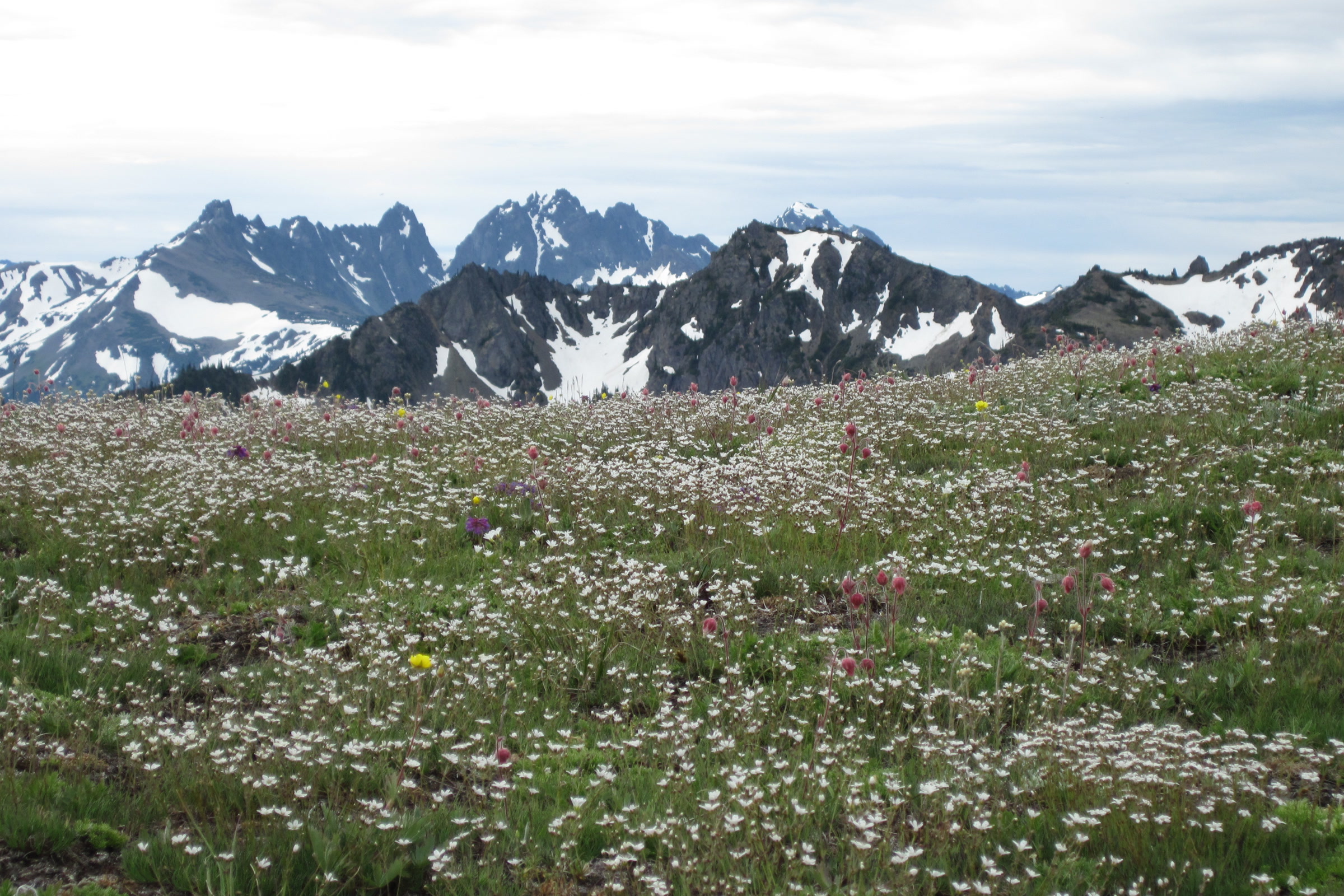
    • Wildflower walks follow the bloom through subalpine meadows once the snow melts.
    • Insect walks look for the pollinators, beetles and butterflies that keep those meadows working.
    • Mushroom walks explore the damp forest floor after the fall rains return.
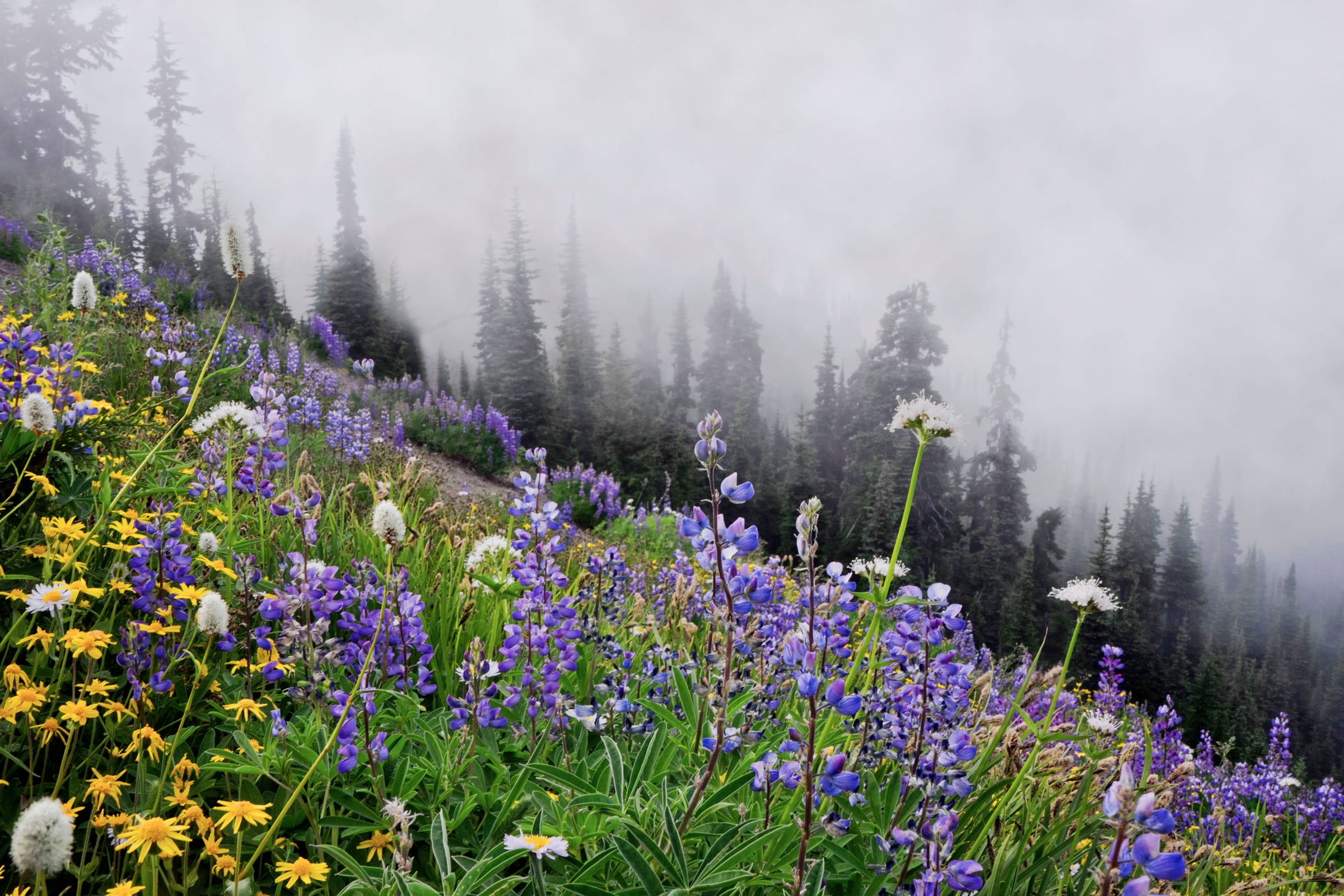
    A subalpine meadow dotted with small white and pink wildflowers below jagged, snow-streaked peaks in Olympic National Park
    A high-country wildflower meadow in Olympic National Park. NPS Photo

    A walk with history: Hurricane Hill

    Our walks go back a long way. In July 2006 the park announced a guided wildflower walk to Hurricane Hill for FONP members. It was led by Janis Burger, a long-time Hurricane Ridge resource educator and naturalist.

    Members met at the Hurricane Ridge Visitor Center for an evening stroll of about three miles round trip, timed to finish before sunset. That mix of an expert guide, a small group and an unhurried trail is still the model we follow.

    When and where each walk is at its best

    Every subject has its own season, and in the mountains those seasons move with the snowpack. We announce exact dates and meeting points for each walk on our events page once they are set.

    Walk types by season

    WalkBest seasonWhere to lookWhat you might see
    WildflowersSummer, after the snow meltsSubalpine meadows such as Hurricane RidgeLupine, paintbrush, avalanche lilies
    InsectsWarm, sunny summer daysMeadow edges and flower patchesBumblebees, butterflies, beetles
    MushroomsFall rains to the first hard frostsLowland and rain forestsShelf fungi, cup and gilled mushrooms

    Guided wildflower walks at Hurricane Ridge

    Hurricane Ridge sits 17 miles south of Port Angeles, and its meadows fill with flowers soon after the snow retreats. Bloom timing shifts by weeks from one year to the next, depending on how much snow fell and how fast it melts. That is why a wildflower walk is planned close to the date rather than months ahead.

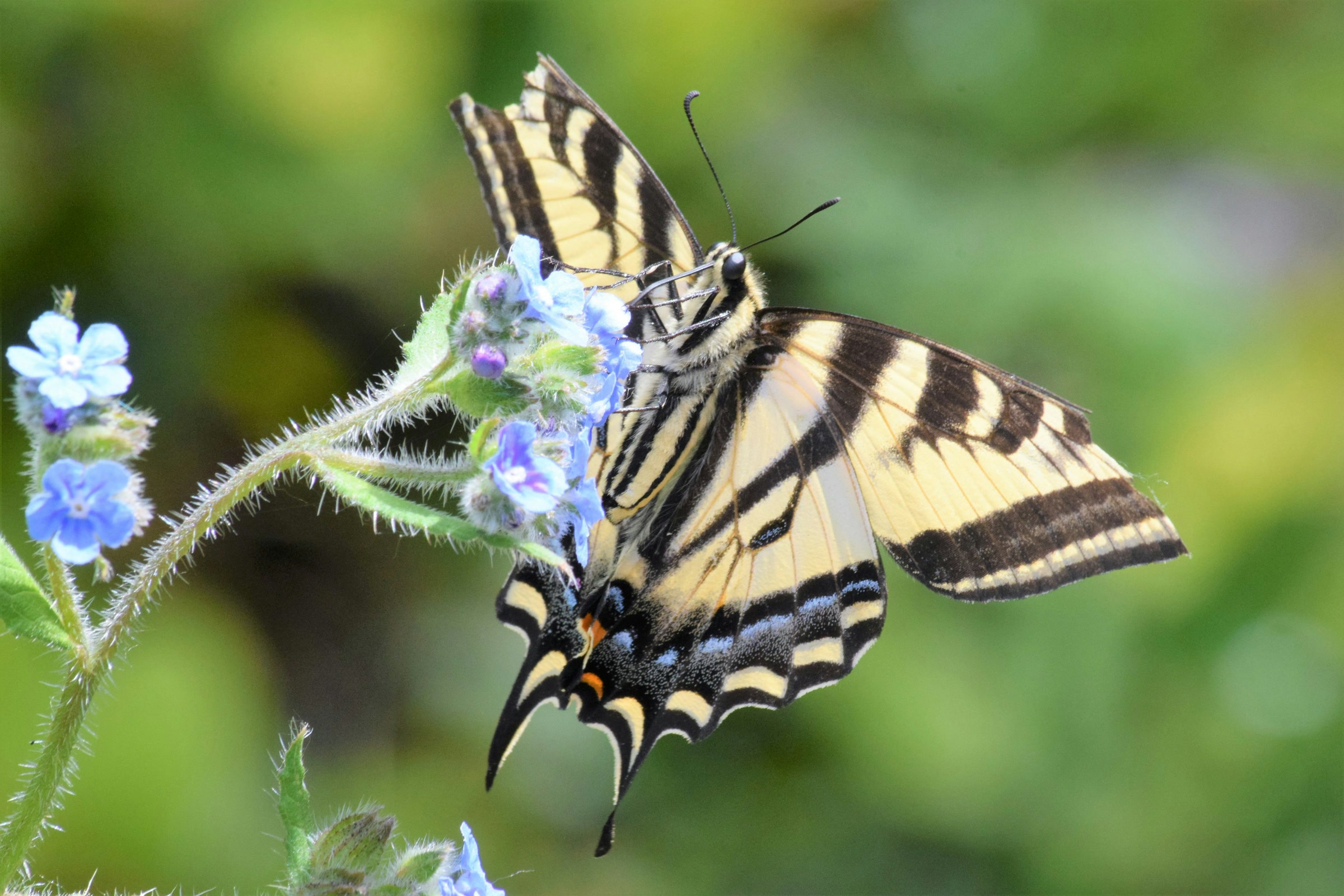
    A yellow and black swallowtail butterfly feeding on small blue wildflowers in western Washington
    A swallowtail feeding on wildflowers in western Washington. Photo: Fr0ggy5 / Unsplash

    Insect walks in Olympic National Park

    Thousands of kinds of invertebrates live on the Olympic Peninsula, and many of them pollinate the park’s flowers or break down fallen wood. Some are found nowhere else. The park lists the Olympic arctic butterfly, which lives at high elevations, along with several ground beetles and a tiger beetle among the peninsula’s endemic animals.

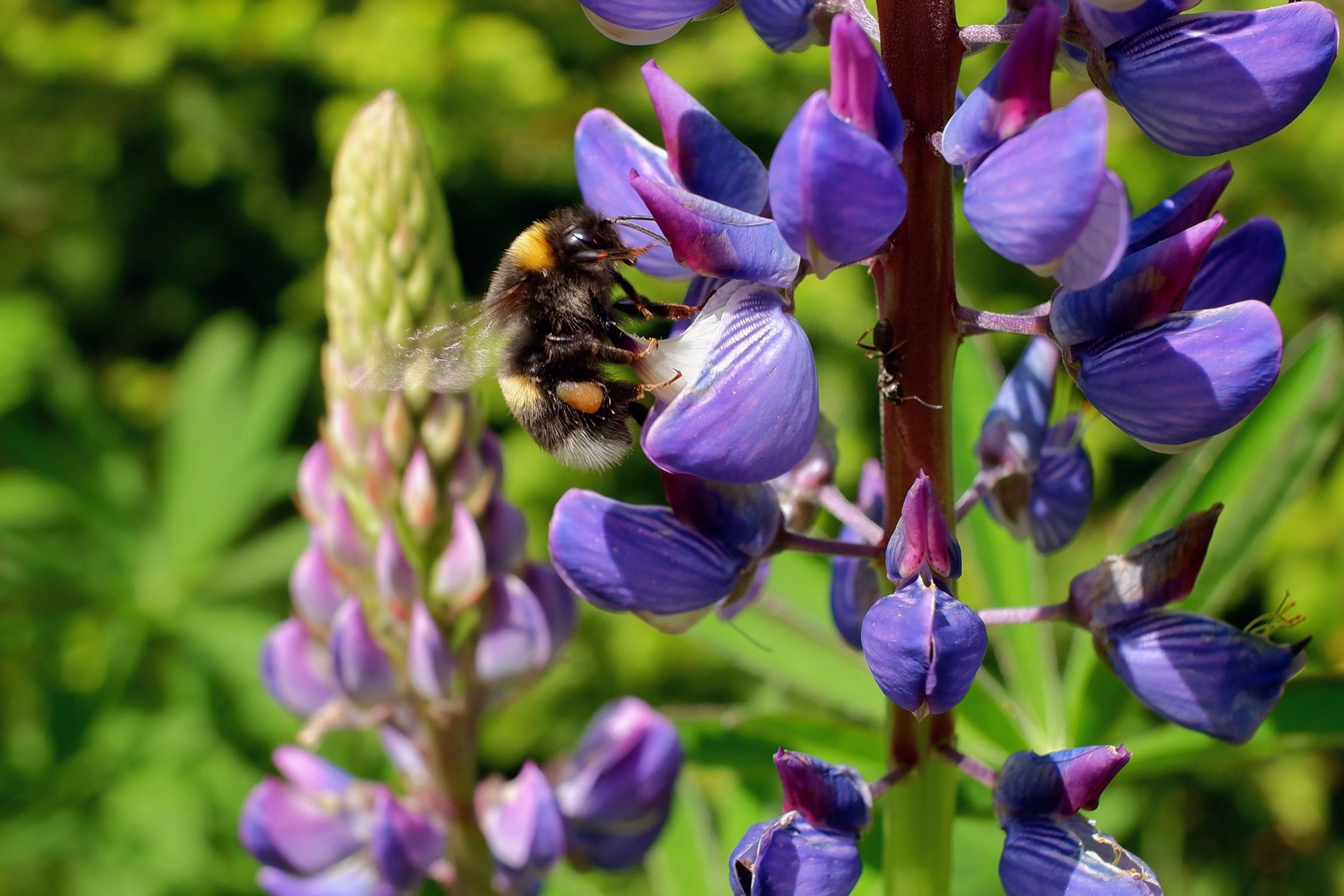
    On an insect walk we move even more slowly than usual. A hand lens helps, and so does patience while a bumblebee works its way up a stem of lupine.

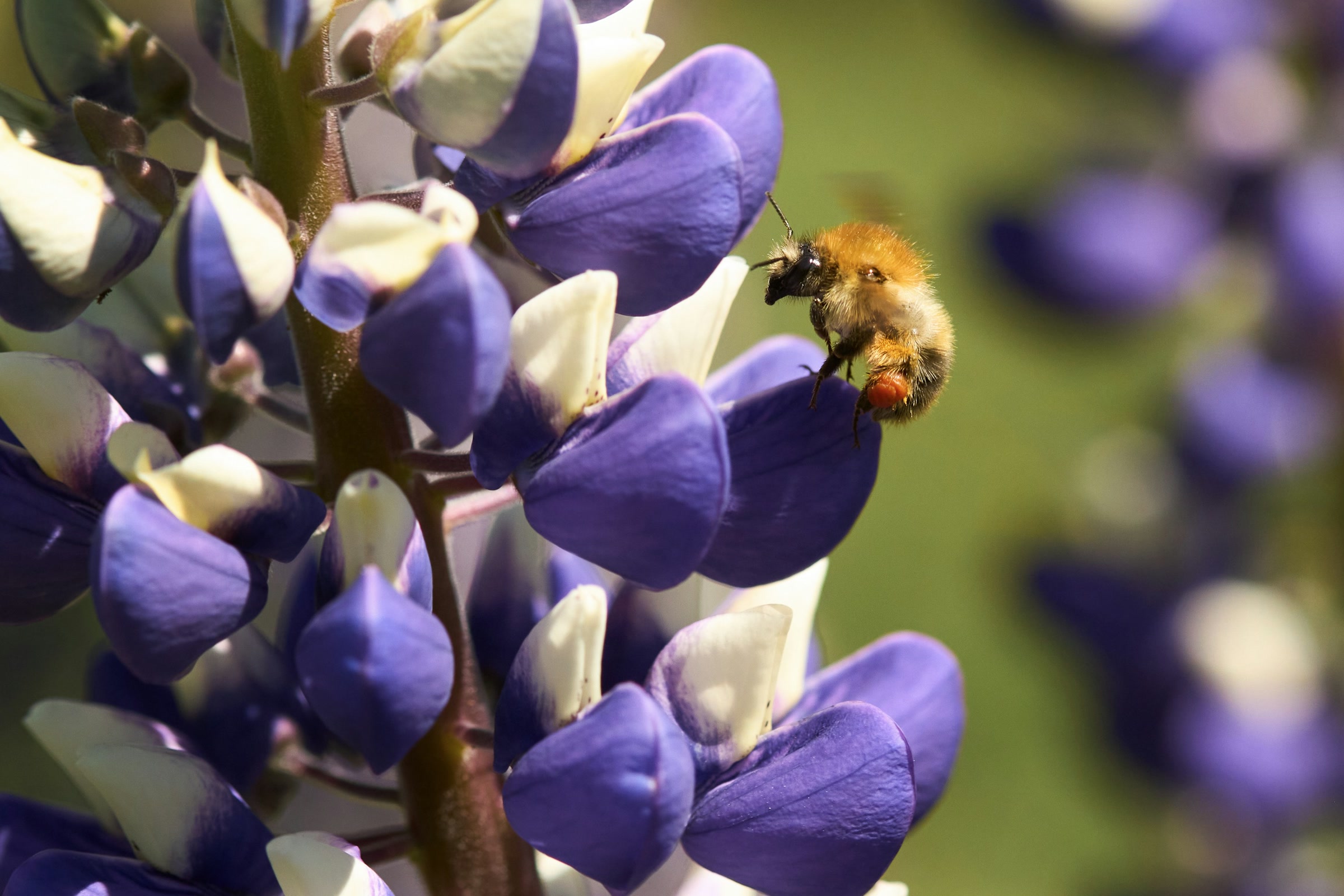
    A fuzzy bumblebee carrying orange pollen on a spike of purple and white lupine flowers
    A bumblebee gathering pollen on lupine. Photo: Erwin Bosman / Unsplash

    Down on the forest floor, beetles and other small animals do quieter work. They recycle logs and leaf litter into the soil that feeds the next generation of trees.

    A shiny black beetle climbing over a cushion of green haircap moss on the forest floor
    A beetle crossing forest moss. Photo: Taras Terletskyy / Unsplash

    Guided mushroom walks and fungi of the Olympic Peninsula

    Fall is fungi season. According to the park’s guide to fungi in Olympic National Park, at least 1,400 species grow here. The park covers about 2 percent of Washington’s land yet holds at least 56 percent of the state’s mushroom diversity.

    Mushrooms appear almost year-round, but the peak runs from the first fall rains until the first major frosts. A fungi walk shows how much these organisms do: some feed on dead wood, some partner with tree roots, and a few attack living trees.

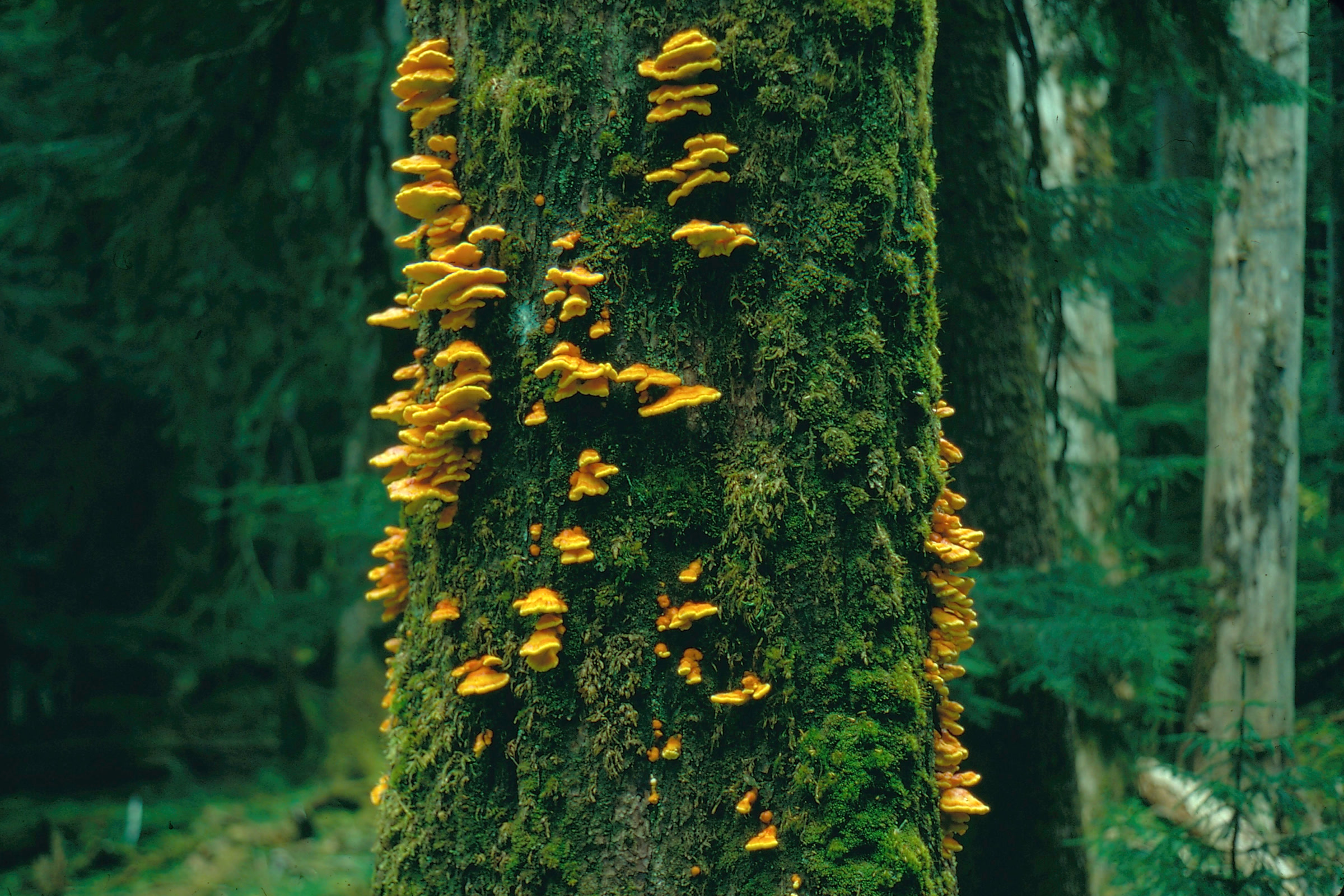
    Bright yellow-orange chicken of the woods shelf fungus growing up a moss-covered tree trunk in Olympic National Park
    Chicken of the woods, a wood-decaying fungus, in Olympic National Park. NPS Photo / Danielle Archuleta

    Look, don’t pick: the park’s rules

    Our walks are about looking, photographing and learning. Collecting natural materials in the park is generally prohibited, with a narrow exception in the park’s Superintendent’s Compendium for edible fruits, berries, nuts and mushrooms.

    • Edible mushrooms may be gathered by hand for your own consumption only.
    • The limit is 1 quart per person per day for fruits, berries, nuts and mushrooms combined.
    • No gathering within 200 feet of nature trails, special trails or natural study areas.
    • Wildflowers and insects stay where they are.

    Several deadly species grow in the park, including the funeral bell. The park’s own advice is that enjoying mushrooms without picking them is the safer choice, and we agree.

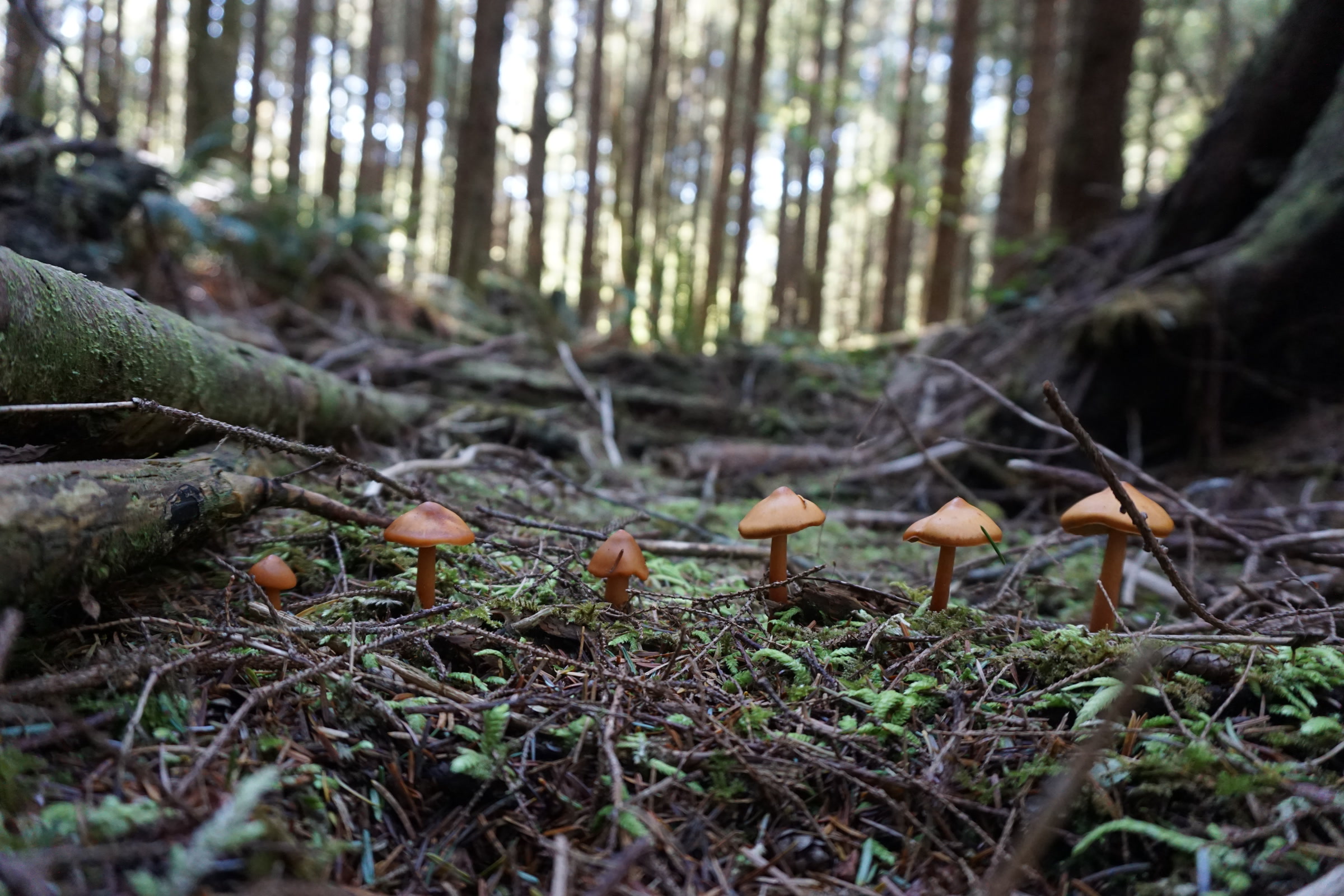
    A row of small brown-capped mushrooms rising from needles and twigs on an Olympic National Park forest floor
    Small brown mushrooms are hard to tell apart, and some are deadly. NPS Photo / D. Archuleta

    How to join a guided walk

    Walk spaces are small, so the best way to hear about one early is to become a member of Friends of Olympic National Park. Invitations to our annual events are a member benefit, and our 2006 Hurricane Hill walk was a members-only outing. Each listing says who can take part.

    1. Check our upcoming events calendar for the next walk and its meeting point.
    2. Join or renew your membership. Annual memberships start at $15 for students and current armed services.
    3. Register as the listing describes, then watch your email for any weather changes.
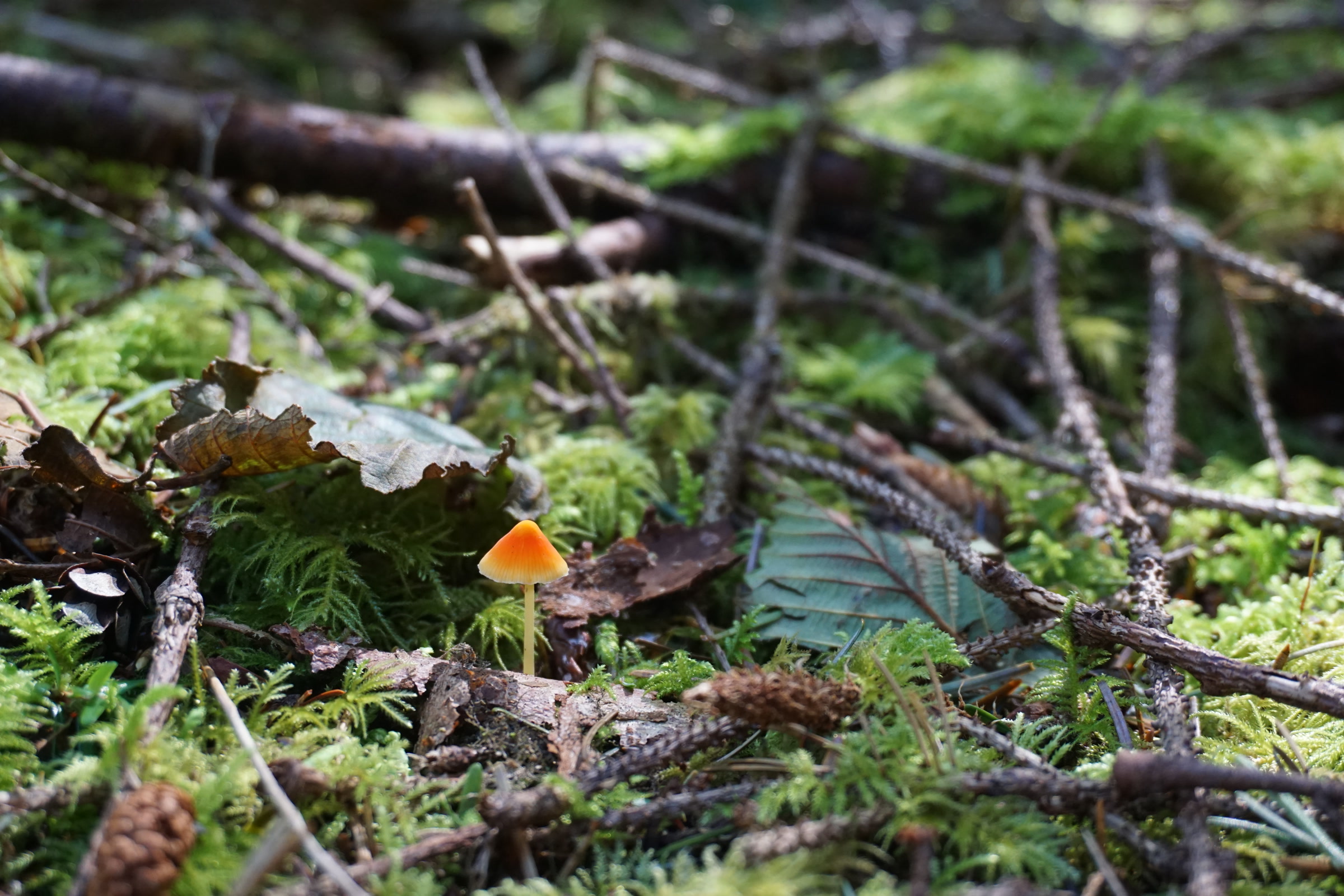
    A tiny orange mushroom growing among moss, leaves and twigs in an Olympic National Park forest
    Slow walks reveal small finds like this one. NPS Photo / Danielle Archuleta

    What to bring

    • layered clothing and rain gear, since mountain weather changes fast
    • sturdy walking shoes and a hat
    • a flashlight for evening walks
    • water, a camera and a hand lens if you have one

    More ways to learn about the park with us

    If you enjoy walks, you may like our Winter Perspectives lecture series in the darker months. Gardeners can help tend the Visitor Center pollinator garden, where many of the same bees and butterflies feed. Families with young explorers should look at National Junior Ranger Day at Olympic National Park.

    Frequently asked questions

    Are there guided walks in Olympic National Park?

    Yes. The park offers ranger-led programs in summer, and Friends of Olympic National Park runs guided insect, mushroom and wildflower walks. Our walks are listed on our events page.

    Can you pick mushrooms in Olympic National Park?

    Only edible mushrooms, by hand, for personal consumption. The limit is 1 quart per person per day, and gathering is not allowed within 200 feet of nature trails, special trails or natural study areas.

    When is mushroom season on the Olympic Peninsula?

    Mushrooms appear almost year-round, but the park says the peak runs from the start of the fall rains until the first major frosts.

    When do wildflowers bloom at Hurricane Ridge?

    The subalpine meadows bloom in summer once the snow melts. Timing shifts by weeks from year to year, so wildflower walks are scheduled close to the date.

    Do I need to be a member to join a FONP walk?

    Each walk listing says who can take part. Members receive invitations to our annual events, so joining is the surest way to hear about walks early.

    Walk with us

    Guided walks are how many of our members first fell for the park’s smaller wonders. Browse our projects, see our volunteer opportunities at Olympic National Park, or join today so the next invitation lands in your inbox.

  • National Junior Ranger Day at Olympic National Park

    National Junior Ranger Day at Olympic National Park

    Our Projects · Educate · Families

    National Junior Ranger Day at Olympic National Park is a day built around kids, curiosity and the park they will one day look after. National Junior Ranger Day is one of the seven projects that Friends of Olympic National Park supports. Families in Port Angeles and Sequim come for hands-on activities, and young visitors work toward the Junior Ranger badge.

    This page explains what the day is, what past Junior Ranger Days at Olympic have looked like, and how children can become Junior Rangers on any visit through the year.

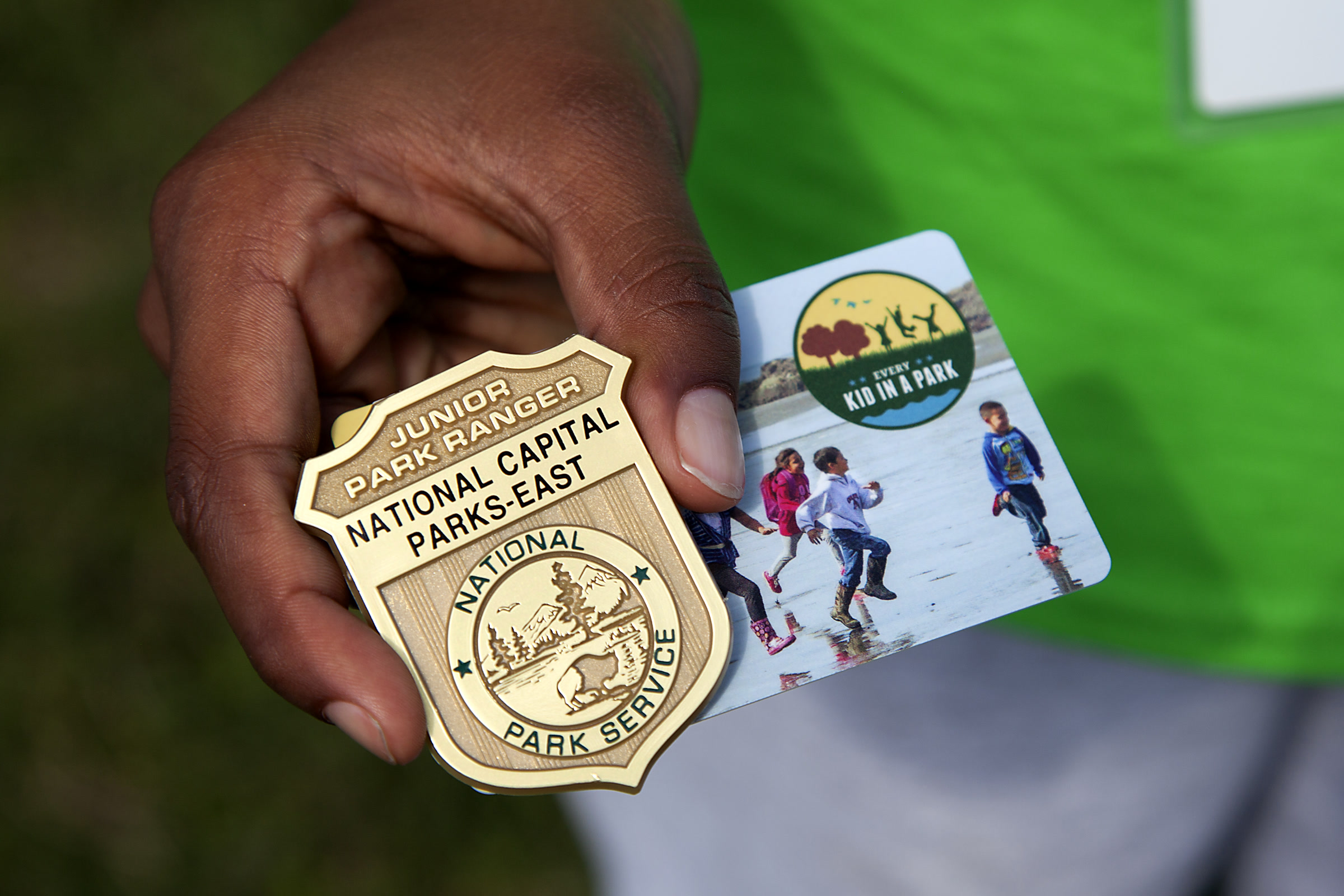
    A child's hand holding a gold Junior Park Ranger badge next to a fourth-grade park pass
    A newly earned Junior Ranger badge. NPS Photo / Marcey Frutchey

    What is National Junior Ranger Day?

    National Junior Ranger Day is a nationwide celebration of the National Park Service Junior Ranger program. Parks across the country hold events that invite young visitors to explore, try ranger-led activities and take the Junior Ranger pledge. It is part of National Park Week, the park service’s yearly celebration of public lands.
    When does it happen?

    For many years National Park Week fell in April. Olympic’s own Junior Ranger Days in 2008 and 2015 were both held on April Saturdays. In 2026, the National Park Service moved National Park Week to August 22 to 30 and included Junior Ranger Day in that week.

    The date can change from year to year, so we post the next one on our upcoming events calendar once the park announces it.

    Junior Ranger Day at Olympic: what past events looked like

    Olympic has hosted the day at the Olympic National Park Visitor Center, 3002 Mount Angeles Road in Port Angeles. The park’s superintendent once called it “one of our favorite annual events.” Activities were free, and children came with an adult.

    Past programs have included:

    • short ranger-guided walks and outdoor games
    • craft and art tables about the park’s ecosystems
    • microscopes for a close look at insects and plants
    • a wilderness campsite display and search and rescue equipment
    • time in the Children’s Discovery Room at the Visitor Center
    Rangers, children and parents gathering outside a visitor center for a Junior Ranger Day nature hike
    Families set off on a Junior Ranger Day nature hike at another national park. NPS Photo

    Each year’s program is set by the park. Activities on the next Junior Ranger Day may differ from the list above.

    The Olympic National Park Junior Ranger program, all year

    Kids don’t have to wait for the big day. The Olympic National Park Junior Ranger program runs through activity booklets that families can pick up at any park visitor center. Children complete the steps in the booklet during their visit to become Olympic Junior Rangers.

    In past years the park has described the path to the badge and certificate as three steps. Children finish the activity booklet, attend a ranger program and explore the park’s nature trails.

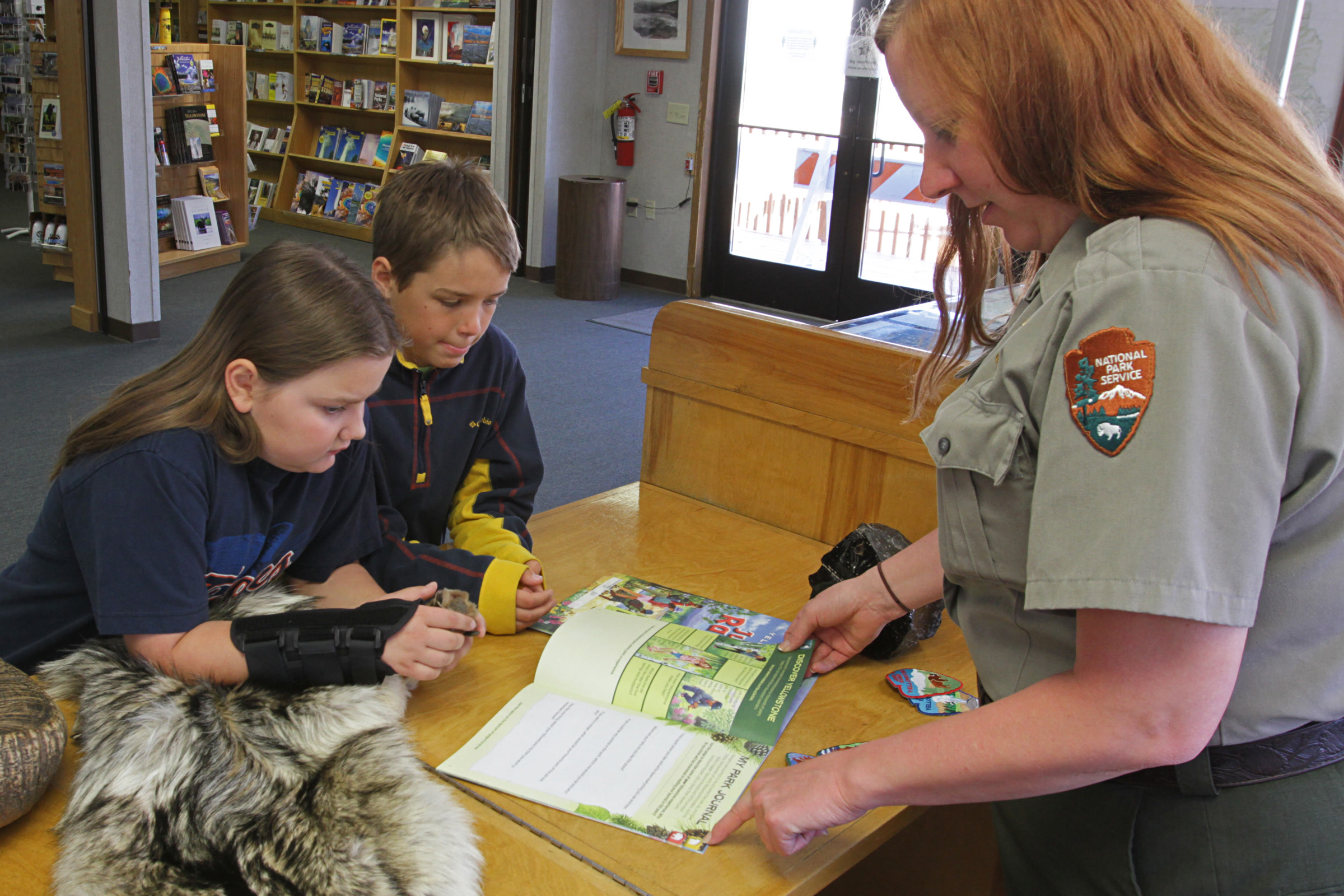
    A park ranger reviewing a Junior Ranger activity booklet with two children at a visitor center desk
    A ranger checks a finished booklet at Yellowstone’s Mammoth visitor center. NPS Photo / Jim Peaco

    What happens when the booklet is finished

    Children bring the completed booklet to a ranger at the visitor center desk. At many parks, the ranger looks over the answers, chats about what the child discovered and asks the new Junior Ranger to promise to help protect parks. Then comes the part kids remember most: the badge in their hand.

    Plenty of families keep going from there. Some young rangers collect badges from park after park and wear them on a hat or vest.

    Stacked Junior Ranger hats, child-size ranger vests and plush toys on display in a park visitor center
    Junior Ranger hats and vests at Perry’s Victory and International Peace Memorial. NPS Photo

    Ocean Stewards: a second booklet for the coast

    Olympic also offers the Ocean Stewards Junior Ranger program for children ages four and up. It is a hands-on booklet about the park’s coastal ecosystem and how to help protect the wilderness coast and ocean. Kids who complete it receive an Ocean Steward patch.

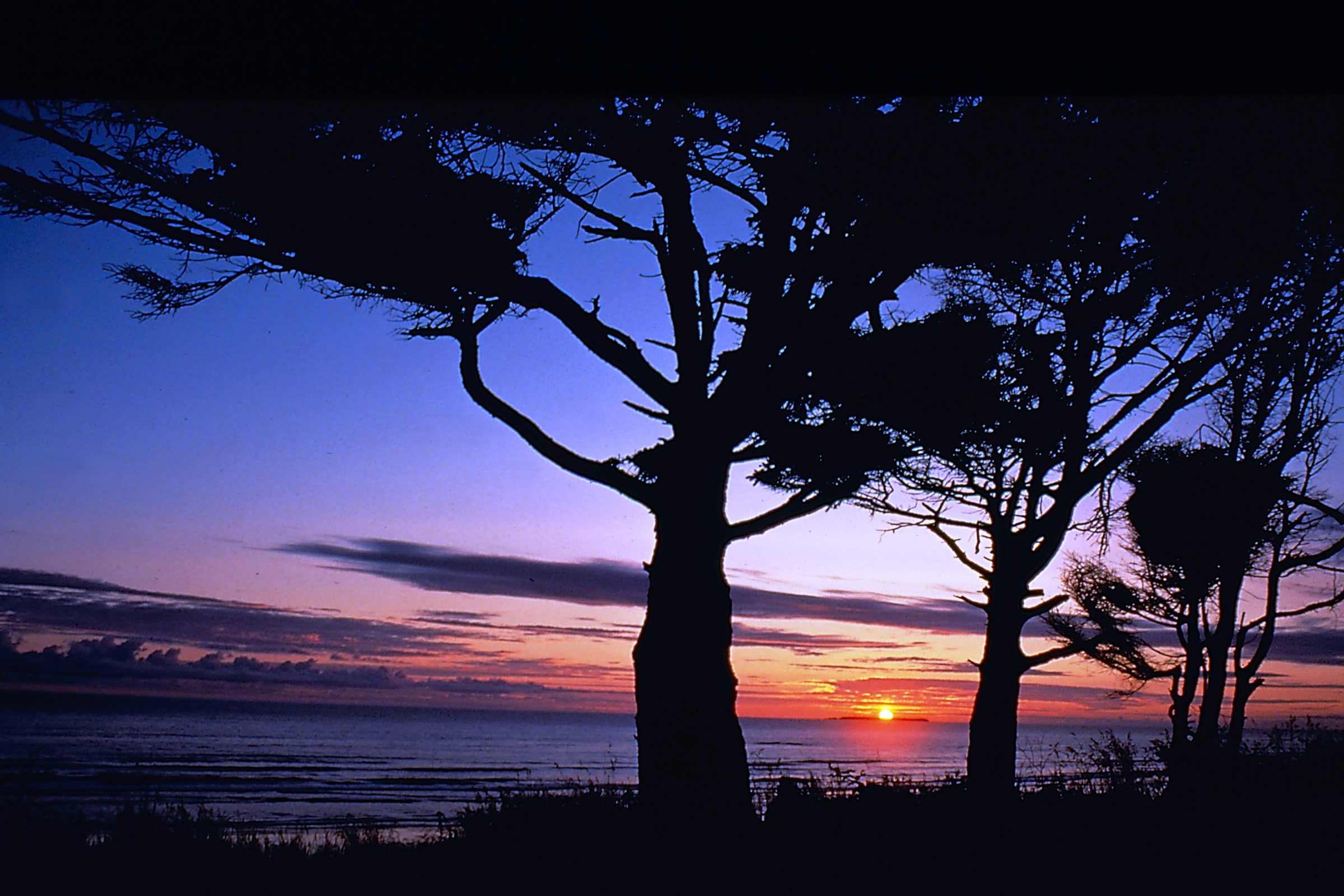
    Wind-shaped coastal trees silhouetted against a purple and orange sunset over the Pacific at Kalaloch
    Sunset at Kalaloch on Olympic’s wilderness coast. NPS Photo

    Ways kids can earn a Junior Ranger badge or patch

    ProgramWho it suitsWhere to startReward
    Olympic Junior Ranger bookletKids visiting the parkAny park visitor centerJunior Ranger badge
    Ocean StewardsAges four and upAny park visitor centerOcean Steward patch
    National Junior Ranger themesMany aimed at ages 5 to 14, open to allOnline or a downloadable bookletVaries, often a certificate
    National Junior Ranger DayFamiliesPark events during National Park WeekActivities set by each park

    The National Park Service says many Junior Ranger programs aim at ages 5 to 14 but welcome everyone, including adults and people of all abilities. Physical badges and patches are usually handed out in person at a park.

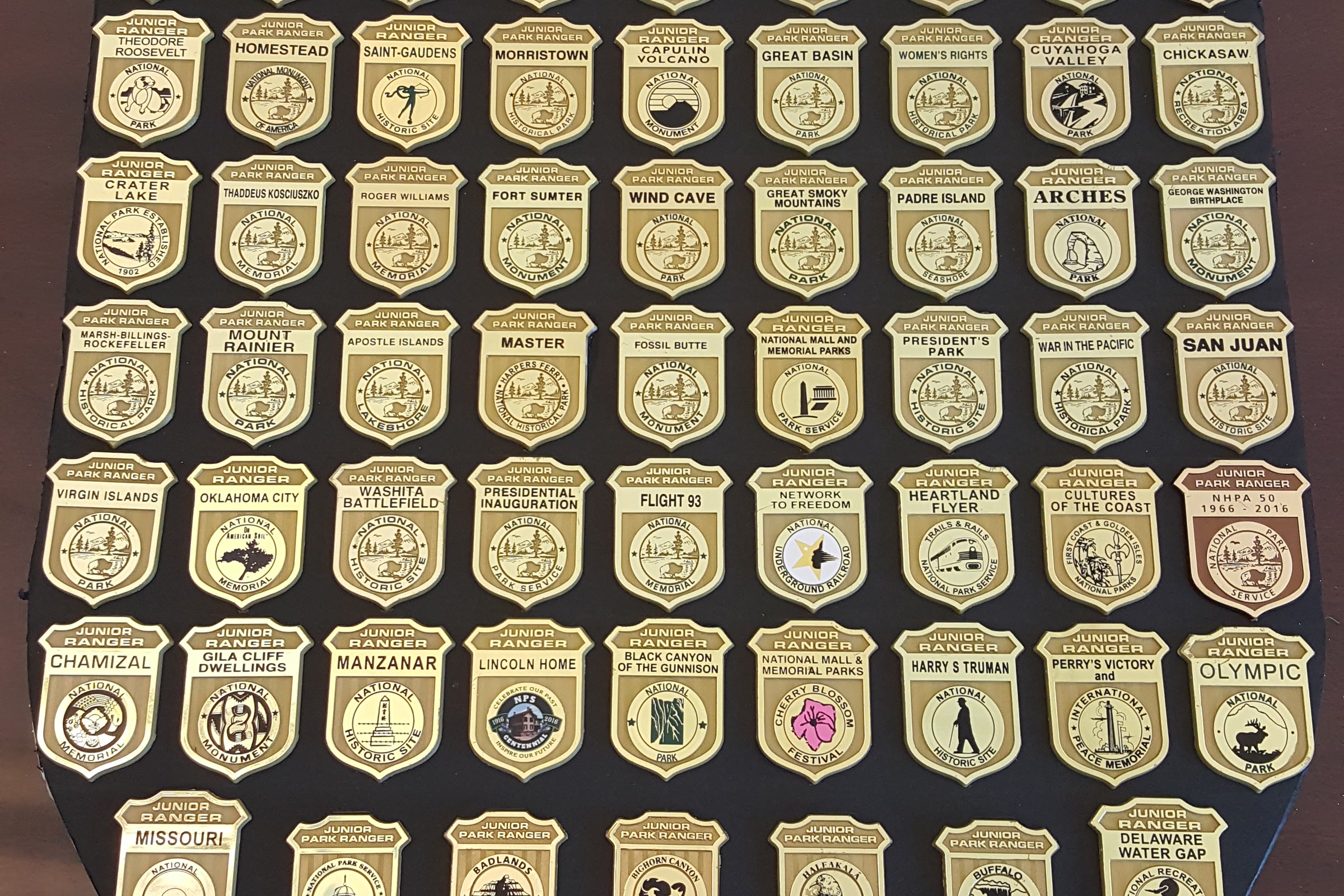
    Rows of wooden Junior Ranger badges from many national parks, including Olympic, pinned to a display board
    Junior Ranger badges from parks across the country, displayed at Oklahoma City National Memorial. NPS Photo

    Where kids can explore on a Junior Ranger visit

    Olympic’s three main ecosystems give young rangers plenty to discover: mountains, old-growth and rain forests, and the wild Pacific coast. Short, well-marked nature trails are the easiest place to start, because the walking is gentle and there is lots to notice.

    A gravel path winding between moss-draped maples and ferns on the Hall of Mosses Trail in the Hoh Rain Forest
    The Hall of Mosses Trail in the Hoh Rain Forest. NPS Photo / S. Sheltren

    If your family enjoys looking closely at bugs, mushrooms and flowers, our guided insect, mushroom and wildflower walks are a natural next step after the badge.

    How Friends of Olympic National Park supports the day

    We are a volunteer-led 501(c)(3) friends group that works in close partnership with the National Park Service. National Junior Ranger Day is one of the projects we support, and the park sets the program. There are three simple ways to be part of it.
    1. Bring your family. Watch our events page for the next date and location.
    2. Lend a hand. See our volunteer opportunities at Olympic National Park. Park volunteer roles are registered through Volunteer.gov.
    3. Back the work. Become a member for invitations to our annual events, or make a gift to support Olympic National Park.

    Tips for families

    • Pick up a booklet as soon as you arrive, so kids can work on it through the day.
    • Dress for changeable weather, with layers and rain gear.
    • Ask a ranger which programs are running that day.
    • Junior Rangers who already have badges can wear them proudly.

    Frequently asked questions

    When is National Junior Ranger Day?

    It is part of National Park Week. For many years that week fell in April, but in 2026 the National Park Service held it from August 22 to 30. We post the next Olympic date on our events page once the park announces it.

    How do kids become Junior Rangers at Olympic National Park?

    Pick up the Olympic Junior Ranger booklet at any park visitor center and complete the steps during your visit. Ask a ranger to check the finished booklet.

    What is the Ocean Stewards program?

    Ocean Stewards is a second Olympic Junior Ranger booklet for children ages four and up. It focuses on the coastal ecosystem, and kids who complete it earn an Ocean Steward patch.

    Can adults be Junior Rangers?

    Yes. The National Park Service says many programs are aimed at ages 5 to 14, but Junior Ranger programs are open to everyone.

    How can I help with Junior Ranger Day?

    See our volunteer page for current opportunities, become a member to hear about events, or make a gift that supports our projects.

    Raise the next generation of park lovers

    Today’s Junior Rangers are tomorrow’s trail crews, scientists and park neighbours. Explore our projects to see the other ways we care for the park, and join us at the next family day.

  • Enchanted Valley Chalet Move: How Crews Slid a Historic Lodge

    Enchanted Valley Chalet Move: How Crews Slid a Historic Lodge

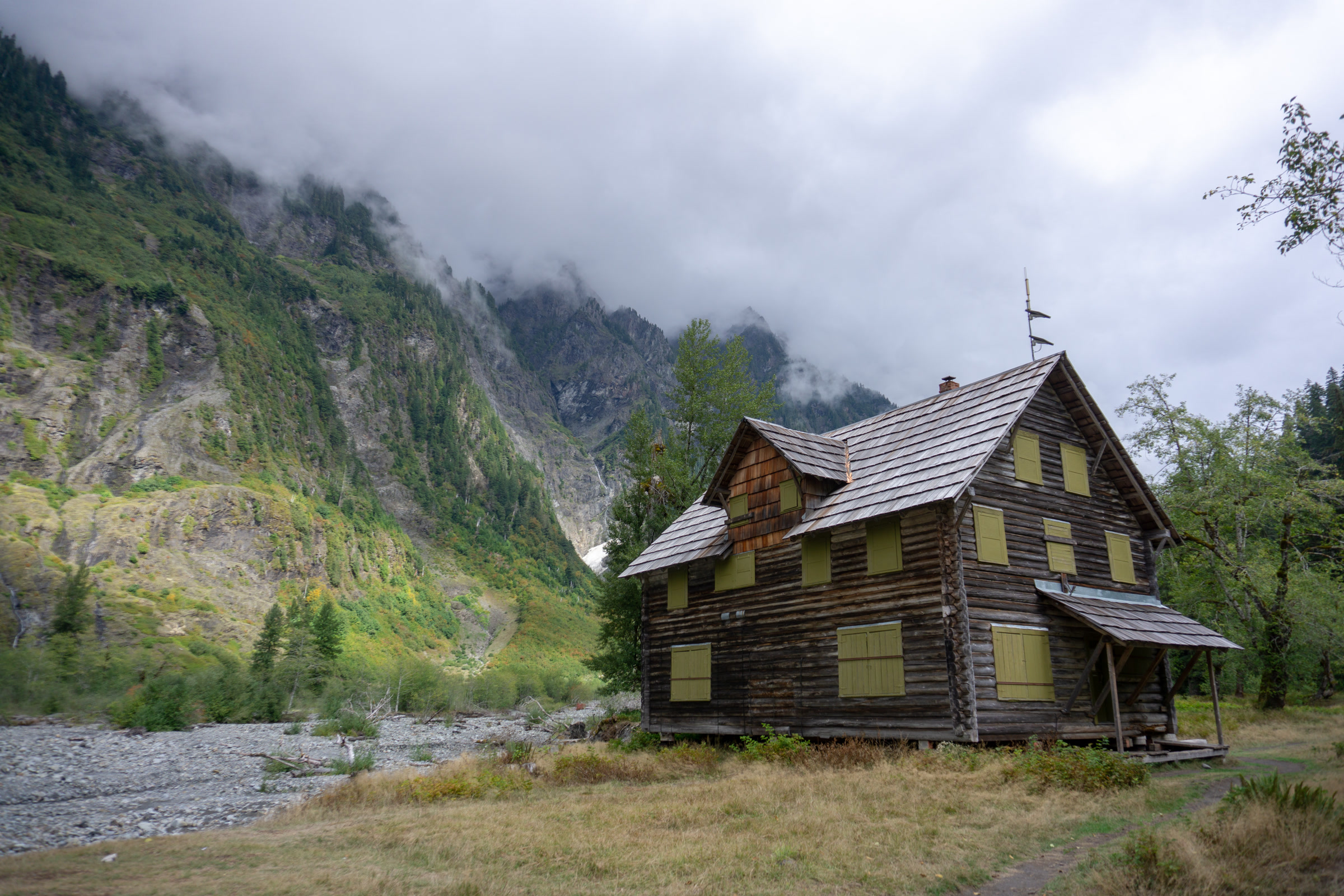
    The Enchanted Valley Chalet move took place in September 2014, when crews slid the historic backcountry lodge about 100 feet away from the eroding East Fork Quinault River. The river had cut to within 18 inches of the building and undercut it by about eight feet. The move was meant as a temporary fix, and the chalet’s long-term future is still a live question.

    Here’s what happened, how the work was done in a roadless wilderness, and where things stand, told by Friends of Olympic National Park (FONP), a local volunteer-led friends group.

    What is the Enchanted Valley Chalet?

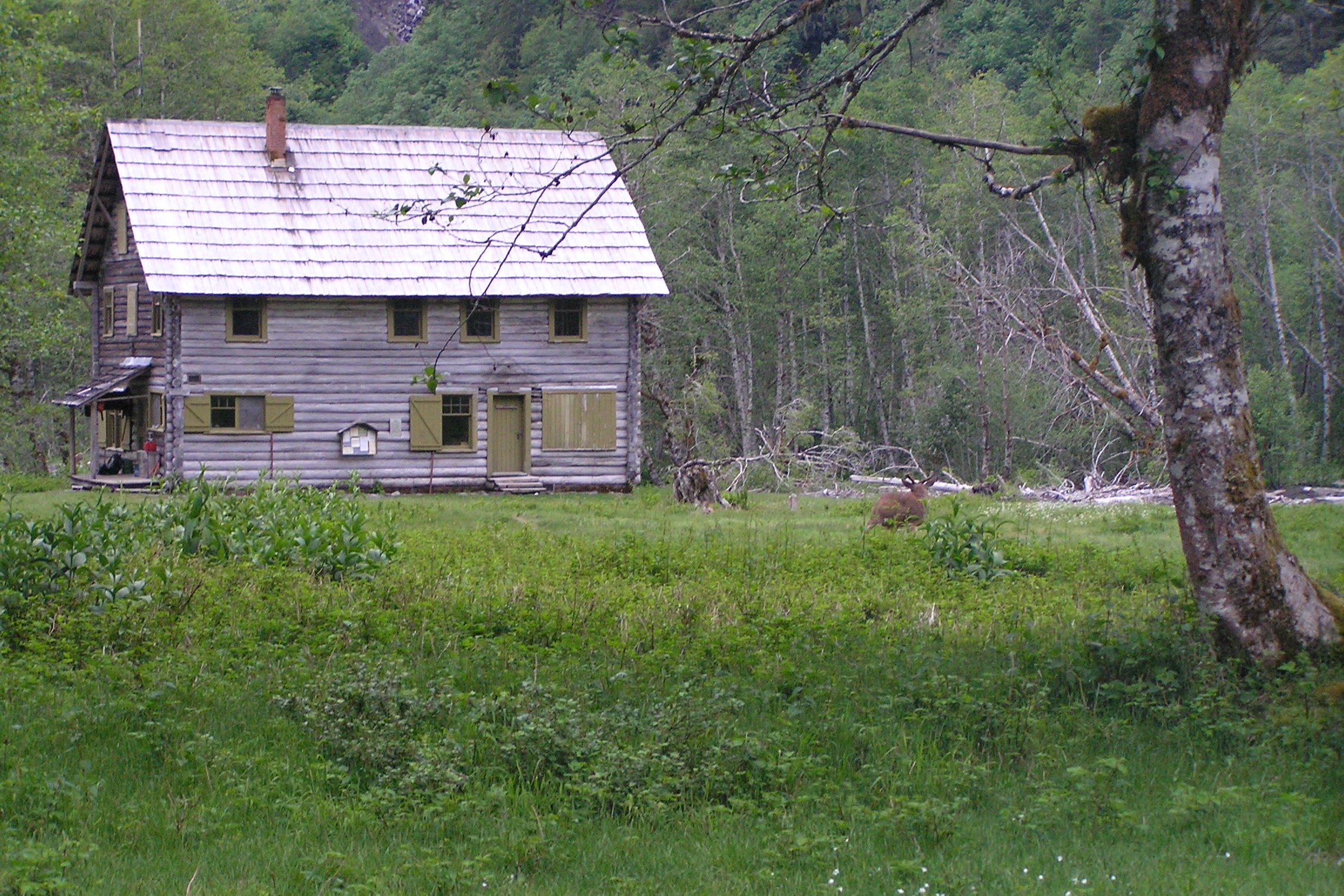
    Quinault Valley residents built the chalet in the early 1930s, before Olympic National Park existed. It first served hikers and horse riders as a backcountry lodge. Later it became a wilderness ranger station and emergency shelter.

    The chalet stands about 13 miles up the Quinault River from the Graves Creek Trailhead, inside the Daniel J. Evans Wilderness. It was listed on the National Register of Historic Places in 2007. For the bigger picture, see our guide to historical structures in Olympic National Park.

    The Enchanted Valley Chalet in a green meadow edged by alder trees and forest, photographed in 2007
    The chalet in 2007, seven years before the move. Photo: Ryan Snyder / Flickr (CC BY 2.0)

    Why the chalet had to move

    Enchanted Valley is wide and flat, and the East Fork Quinault River shifts across it. Storms, fallen trees and rockslides can push the river into new channels almost overnight.

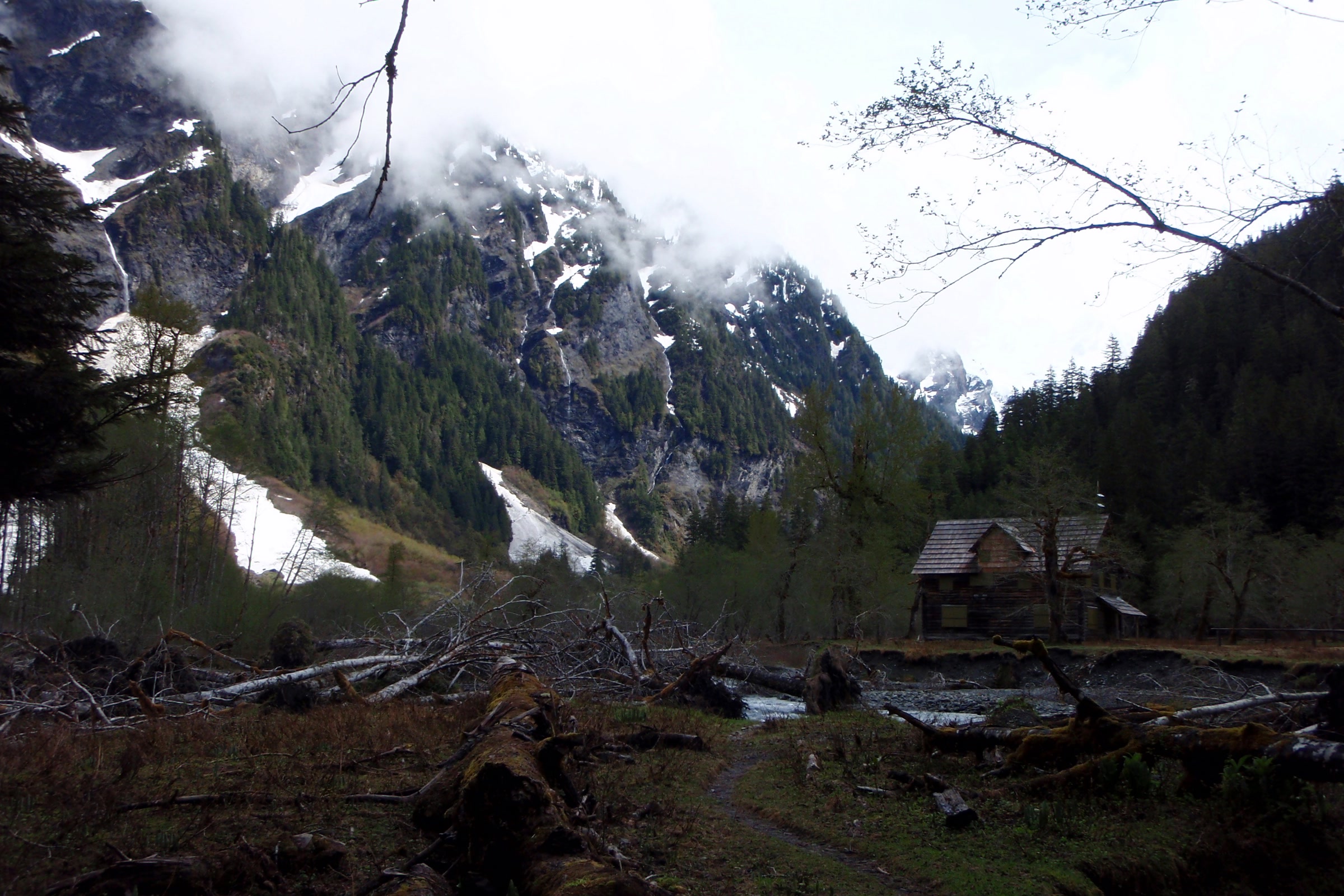
    In January 2014 the park reported that the main channel had moved to within several feet of the chalet. Staff began aerial photo flights every two weeks to track it. By late summer the river was 18 inches away and had undercut the building by about eight feet.

    The Enchanted Valley Chalet small in the distance beyond a jumble of fallen logs and gravel, with snow-streaked cliffs rising behind
    NPS Photo

    The worry wasn’t only for the building. If the chalet fell in, its materials would end up in the river. Superintendent Sarah Creachbaum said moving it before the fall rains was essential to protect the East Fork Quinault and threatened bull trout.

    How the 2014 move worked

    On July 25, 2014, the National Park Service completed an emergency environmental assessment and signed a Finding of No Significant Impact. That cleared the way for a temporary relocation of 50 to 100 feet.

    The park hired Monroe House Moving of Sequim. The Peninsula Daily News reported an estimated contract of $124,000, covering labor, equipment and transport on foot or by pack mule.

    Step by step

    1. Close the valley. From September 1 to 14, camping in Enchanted Valley closed and hikers were escorted past the work.
    2. Pack it in. Mules carried tools and camp gear 13 miles from Graves Creek. A helicopter flew in steel beams and cribbing too big to pack.
    3. Lift the building. Crews slid two main beams underneath and raised the chalet about 20 inches.
    4. Slide it back. Four steel sliding beams went in, and hydraulic jacks pushed the chalet away from the bank.
    5. Set it down. The building was lowered onto cribbing towers and secured.

    Progress was quick once the slide began. The Peninsula Daily News report on the chalet being pushed back describes 8 feet on the first day and 60 more on the next. The park announced the move complete on September 12, with the chalet about 100 feet from the bank.

    Calm, clear water of the Quinault River near Graves Creek reflecting a line of tall conifers
    The Quinault River near Graves Creek, where the trail to Enchanted Valley begins. NPS Photo / D. Archuleta

    Enchanted Valley Chalet timeline

    WhenWhat happened
    Early 1930sQuinault Valley residents build the chalet
    2007Listed on the National Register of Historic Places
    January 2014River shifts to within several feet
    July 25, 2014Emergency assessment and finding signed
    September 1-12, 2014Chalet moved about 100 feet
    2016-2017Public scoping and a historic buildings survey
    July 2020Assessment released; preferred option is removal
    November 2021Historic preservation consultation meeting

    What happened after the move

    The park always called the 2014 move temporary, and the river kept moving. By July 2020 the bank had eroded to within about five feet of the chalet’s nearest corner. The building still sat on the 2014 steel beams, closed to public and administrative use.

    Steep forested walls and waterfalls above the East Fork Quinault River in Enchanted Valley, with snow in a gully
    Photo: Deckerla / Wikimedia Commons (public domain)

    That month the park released an environmental assessment on the chalet’s final disposition. It weighed three options:

    • No action: keep managing the chalet as it is.
    • Dismantle and remove: the park’s preferred alternative.
    • Relocate: move it to another spot on the river terrace.

    Why the choice is hard

    People who love this valley disagree about the chalet. The Washington Trust for Historic Preservation named it one of the state’s Most Endangered Places in 2014 and has tracked its future closely. Wilderness groups such as Wilderness Watch have supported removing it so the valley can return to a wilder state.

    Both sides care about the same place, and the river doesn’t wait for the debate. Any option has to work on an active floodplain, deep in designated wilderness, with no road for 13 miles.

    In November 2021 the park held a consultation meeting under the National Historic Preservation Act. As of October 2026, we could not find a final decision posted on the park’s Enchanted Valley Chalet planning page. Check nps.gov/olym for the current status before you hike.

    Thin waterfalls streaming down green cliffs on the slopes of Chimney Peak above Enchanted Valley
    Waterfalls on Chimney Peak above the valley. Photo: Ryan Snyder / Flickr (CC BY 2.0)

    Visiting Enchanted Valley today

    The chalet is a hike of about 13 miles each way from Graves Creek, so most people make it a multi-day backpack. The valley’s cliffs and waterfalls are worth the trip on their own.

    • Overnight stays in the park’s wilderness need a wilderness permit.
    • The chalet is closed, so enjoy it from outside and don’t climb on it.
    • River crossings and trail conditions change fast here, so check before you go.
    Snowy Mount Anderson rising above forested slopes and a green meadow in the upper East Fork Quinault valley
    Mount Anderson from the East Fork Quinault valley. Photo: Deckerla / Wikimedia Commons (public domain)

    A Friends of Olympic National Park connection

    Each March we present the Most Inspirational Friend award, also known as the Willie McCool Award. In 2019 it went to Jeff Monroe “for moving Enchanted Valley Chalet.” You can read every year’s honorees on our past recipients of the Most Inspirational awards page.

    Learn how our Most Inspirational Friend and Park Employee awards work, or read the story behind the Willie McCool Award. If stories like this matter to you, become a member of Friends of Olympic National Park for $15 to $30 a year and help us keep celebrating the people who care for this park.

    Frequently asked questions

    Why was the Enchanted Valley Chalet moved?

    The East Fork Quinault River had shifted to within 18 inches of the chalet and undercut it by about eight feet. The park moved it to keep it from collapsing into the river and to protect the river and its fish.

    How far was the Enchanted Valley Chalet moved?

    About 100 feet back from the riverbank. The work ran from September 1 to September 12, 2014.

    Who moved the Enchanted Valley Chalet?

    The National Park Service hired Monroe House Moving of Sequim, Washington. Mules and a helicopter carried in the tools and steel beams.

    Is the Enchanted Valley Chalet still there?

    It was still standing when the park released its 2020 environmental assessment, which proposed dismantling and removing it. Check nps.gov for the latest decision and conditions.

    Can you stay in the Enchanted Valley Chalet?

    No. The chalet is closed to public use. Backpackers camp in the valley with a wilderness permit and can see the chalet from outside.

  • Historical Structures in Olympic National Park: A Guide

    Historical Structures in Olympic National Park: A Guide

    The historical structures of Olympic National Park range from lakeside resorts and log ranger stations to pioneer homesteads, trail shelters and wartime lookouts. More than 30 of these places are listed on the National Register of Historic Places, and several are easy to see on a day trip. This guide walks through the main types, where to find them and how to visit with care.

    We’re Friends of Olympic National Park (FONP), a local, volunteer-led friends group. Park history is close to our members’ hearts, so we put together the guide we wished we’d had.

    Why a wilderness park has historic buildings

    People lived and worked on the Olympic Peninsula long before the park existed. Settlers filed homestead claims in river valleys, resort owners built lodges for travellers, and forest rangers put up stations and shelters along the first trails. When the park took in these lands, many of the buildings came with them.

    Most of the park’s National Register listings were added on the same day, July 13, 2007. Many fall under a park-wide study called “Historic Resources of Olympic National Park.” A listing doesn’t freeze a building in place. It means the National Park Service has to weigh its history whenever it plans repairs, moves or removal.

    Lodges and resorts on Lake Crescent

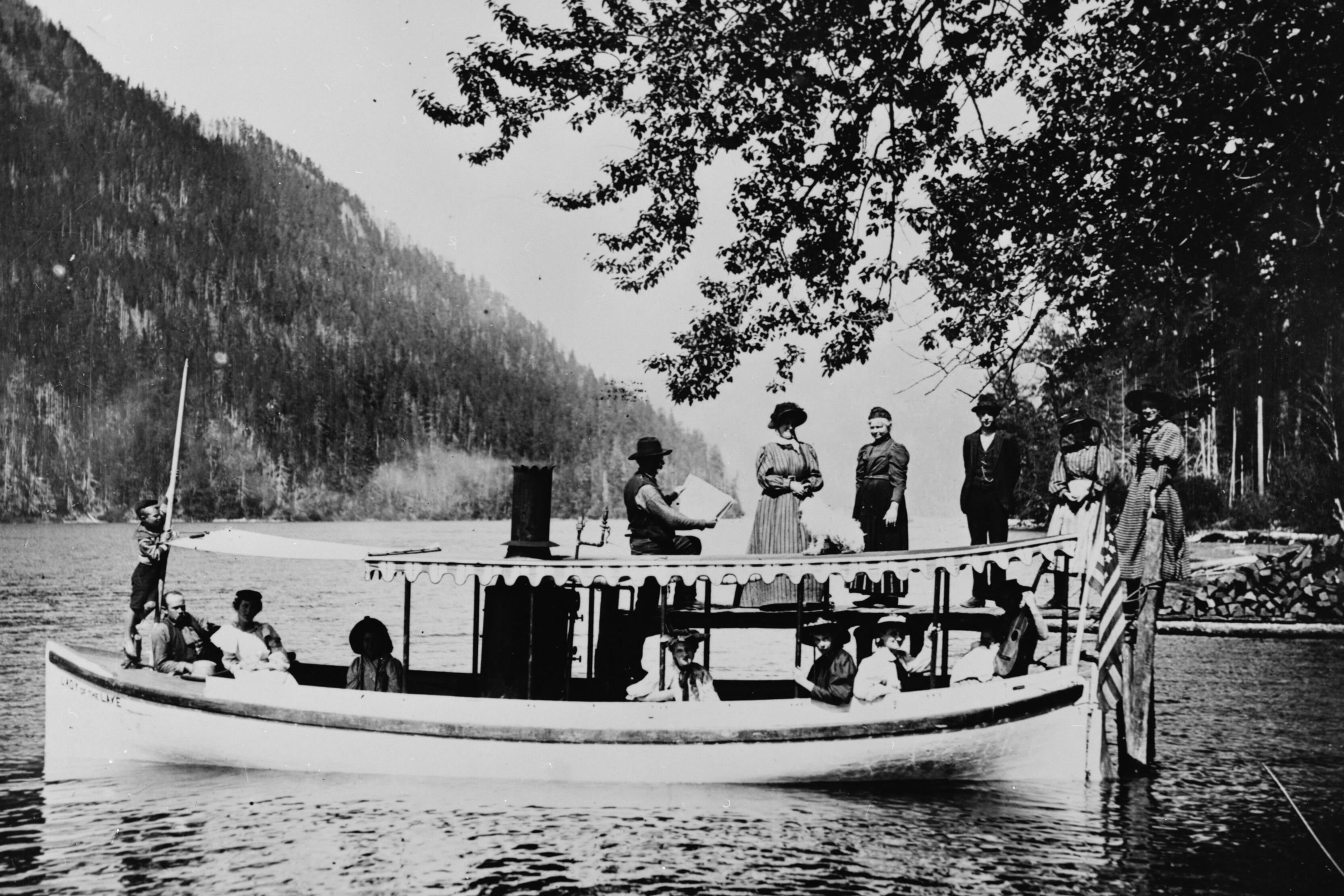
    Lake Crescent was one of the peninsula’s first tourist destinations. Before the highway reached the lake, visitors arrived by small ferries, and resorts grew up along the shore to meet them.

    Black-and-white historic photo of passengers in long dresses and hats aboard the Lady of the Lake ferry on Lake Crescent, with forested hills behind
    The Lady of the Lake ferry, before the shoreline road was built. Historic photo: HAER WA-166, Library of Congress (public domain)

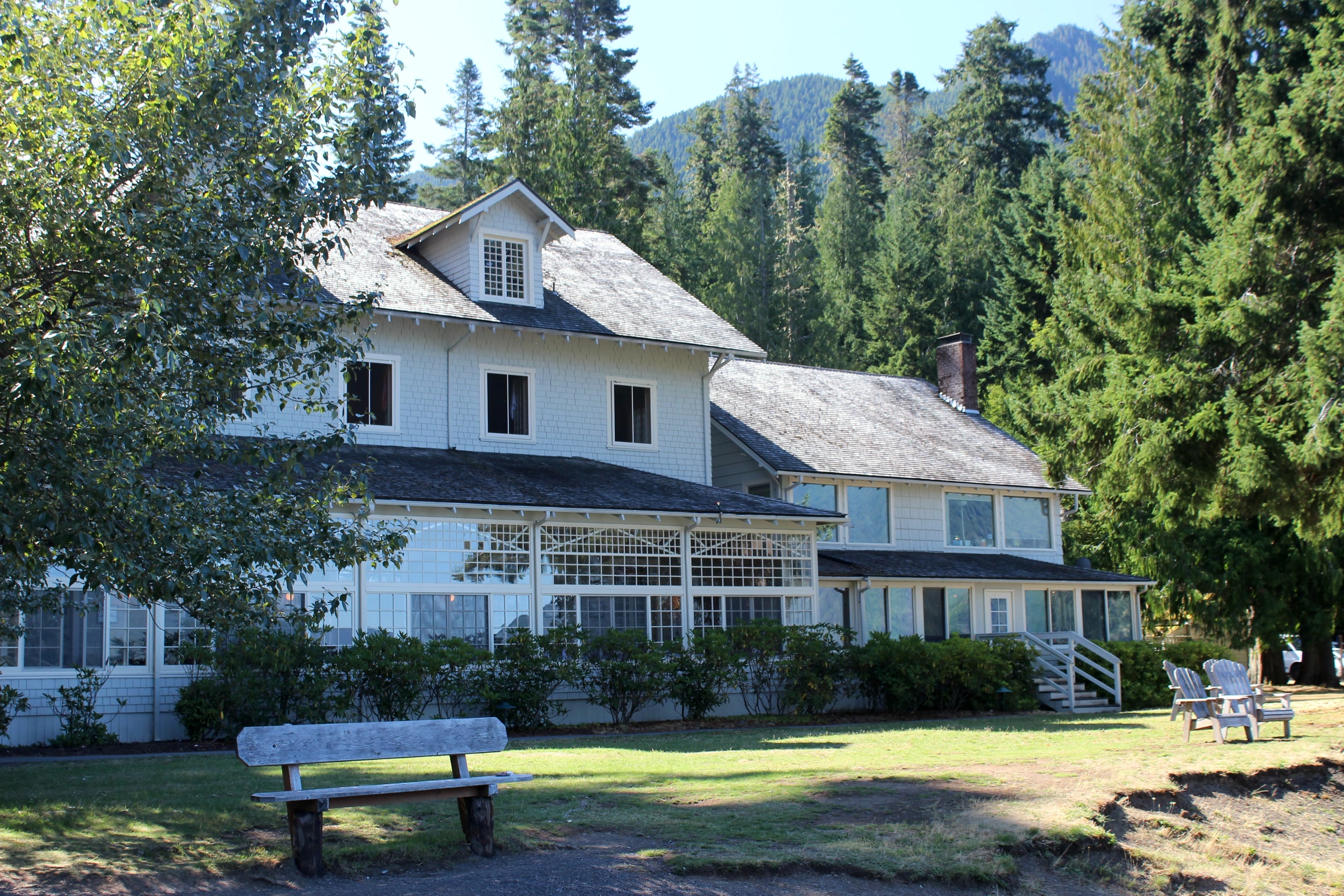
    Lake Crescent Lodge

    Avery and Julia Singer opened Singer’s Tavern at Barnes Point in 1915. It’s still welcoming guests today as Lake Crescent Lodge, which the National Park Service bought in 1951. President Franklin D. Roosevelt spent a night there in 1937, the year before he signed the bill that created Olympic National Park.

    The lodge and its cabins were listed on the National Register in 2007 as Singer’s Lake Crescent Tavern. The park owns the property, and a concessioner runs it as a seasonal lodge.

    White two-story Lake Crescent Lodge with its glassed-in sun porch and a wooden bench on the lawn, framed by tall firs
    Photo: Miguel Hermoso Cuesta / Wikimedia Commons (CC BY-SA 4.0)

    Rosemary Inn

    Just along the shore, Rose Littleton and Mary Daum began building Rosemary Inn in 1914. The resort grew into a main lodge and a cluster of small guest cabins with names like Honeysuckle and Silver Moon. It joined the National Register in 1979, well before most of the park’s other listings.

    Black-and-white survey photo of a small shingled guest cabin at Rosemary Inn with a gabled porch and multi-pane windows
    A Rosemary Inn cabin in 1983. Photo: Marty Stupich, HABS / Library of Congress (public domain)

    Ranger stations: Storm King and its neighbours

    Storm King Ranger Station, on the south shore of Lake Crescent, dates to around 1905. The Historic American Buildings Survey calls it the oldest log structure remaining within the park’s boundaries. It’s linked to Chris Morgenroth, an early forest ranger and homesteader whose testimony to Congress helped the case for creating the park.

    In 1984 the cabin was moved back from the highway and lakeshore and rebuilt, reusing much of its original material. The National Park Service lists the Storm King Ranger Station visitor page as open in summer as staffing allows.

    Black-and-white 1983 survey photo of Storm King Ranger Station, a log cabin with twin dormers and a sagging front porch among conifers
    Storm King in 1983, before its move. Photo: Eduard Calderon, HABS / Library of Congress (public domain)

    Other listed stations include the Elwha, Graves Creek and North Fork Quinault ranger stations. Some are still working buildings, so enjoy them from the outside unless a sign says otherwise.

    Homesteads in the river valleys

    Homesteads show how hard life was for the families who farmed these valleys. The Kestner Homestead in the Quinault valley keeps its farmhouse, barns and fences, and was listed on the National Register in 2007. A flat loop of about 1.3 miles starts at the Quinault Rain Forest Ranger Station, according to the park’s Kestner Homestead trailhead page.

    Weathered cedar-shingled outbuildings and a barn beside a gravel path at the Kestner Homestead in the Quinault valley
    NPS Photo / R. McKenna

    In the Elwha valley, the Humes Ranch Cabin recalls the Humes brothers, who trapped, guided and prospected along the river. It was listed in 1977. Reaching it means a hike, so check the park’s road and trail updates first.

    Backcountry shelters, lookouts and the chalet

    Rustic trail shelters once dotted the park’s wilderness. Preservation groups say only 18 of the original 90 shelters in the Olympic Wilderness remain. In 2018 a federal appeals court ruled that the park’s work to repair or rebuild several of them did not violate the Wilderness Act.

    Canyon Creek Shelter, an open-fronted log trail shelter with a shake roof, among tall old-growth trees near Sol Duc Falls
    Photo: Bigfathairymarmot / Wikimedia Commons (public domain)

    Canyon Creek Shelter near Sol Duc Falls is one of the easiest to see. Up high, the Pyramid Peak lookout was built during World War II to watch for enemy aircraft, and Dodger Point Fire Lookout is also on the Register.

    The best-known backcountry building is the Enchanted Valley Chalet, built in the early 1930s about 13 miles up the Quinault River. In 2014 crews moved it away from the eroding riverbank. Read the full story of the Enchanted Valley Chalet move.

    Historic structures compared: built, location and visiting

    StructureBuiltWhereCan you visit?
    Lake Crescent LodgeOpened 1915Barnes Point, Lake CrescentYes, seasonal lodge
    Rosemary InnFrom 1914Barnes Point, Lake CrescentCheck nps.gov
    Storm King Ranger StationAbout 1905South shore, Lake CrescentSummer, as staffing allows
    Kestner HomesteadHomestead eraQuinault valleyYes, 1.3-mile loop trail
    Humes Ranch CabinHomestead eraElwha valleyBy trail, check access
    Enchanted Valley ChaletEarly 1930sEast Fork QuinaultOutside only, 13-mile hike

    How to visit historic sites with care

    • Check before you go. Hours, road access and closures change, so look at nps.gov/olym first.
    • Look, don’t climb. Old porches, roofs and foundations are fragile.
    • Leave every artifact. Rusted tools and old equipment are part of the story.
    • Respect closed buildings. Some are shut for safety or in active use by rangers.
    • Don’t add your mark. Carved names and paint harm historic wood, which is why we run graffiti removal in Olympic National Park.

    How Friends of Olympic National Park helps

    Our mission is to preserve the park’s natural, cultural and recreational resources for present and future generations. The historic buildings are part of that cultural story, and our members love learning about them.

    At our Spring Membership Meeting on March 19, 2026, at the Olympic National Park Visitor Center in Port Angeles, keynote speaker Annie Matsov spoke on “Historical Structures at Olympic National Park.” Talks like hers are why we keep bringing park history to the community, including through our Winter Perspectives lecture series.

    Watch our upcoming events in Port Angeles for the next talk or meeting, and read the history of Friends of Olympic National Park. Members get invitations to our annual events, so become a member of Friends of Olympic National Park to hear the next speaker first.

    Frequently asked questions

    What is the oldest building in Olympic National Park?

    Storm King Ranger Station on Lake Crescent, built around 1905, is described by the Historic American Buildings Survey as the oldest log structure remaining within the park’s boundaries.

    How many historic places in Olympic National Park are on the National Register?

    More than 30 places in the park are listed on the National Register of Historic Places. Most were added together in 2007.

    Is Lake Crescent Lodge historic?

    Yes. It opened as Singer’s Tavern in 1915, hosted President Franklin D. Roosevelt in 1937 and was listed on the National Register in 2007 as Singer’s Lake Crescent Tavern.

    Can you visit the Kestner Homestead?

    Yes. A flat loop of about 1.3 miles starts at the Quinault Rain Forest Ranger Station and passes the homestead’s farmhouse, barns and fences.

    Can you go inside the Enchanted Valley Chalet?

    No. The chalet is closed to public use. Hikers can see it from outside after about 13 miles on the trail from Graves Creek.